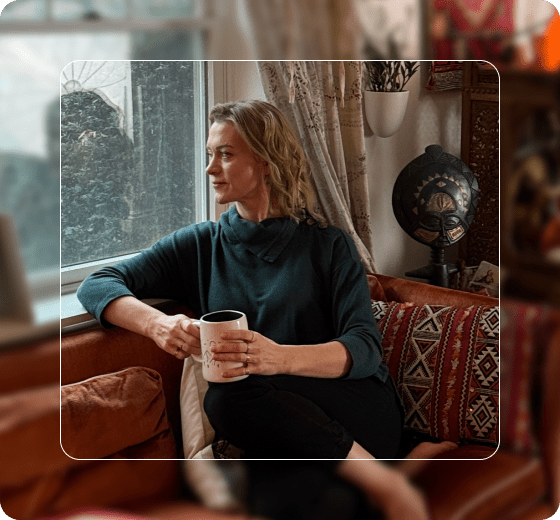
Embracing the Digital Era: Virtual Reality and Mind-Body Therapy

What if you could practice deep breathing on a peaceful beach without leaving your couch? Or do yoga in the middle of a quiet forest—even if you live in a busy city? Thanks to virtual reality (VR), this is no longer science fiction—it’s the new frontier of mind-body therapy.
As more people seek flexible, accessible ways to support their mental and emotional health, VR is stepping in as a powerful tool to enhance traditional wellness practices like mindfulness, meditation, and stress relief. Let’s explore how VR is changing the game for therapy—and what this could mean for your health.

What Is Virtual Reality Mind-Body Therapy?
Mind-body therapy focuses on how our mental and emotional state affects our physical health, and vice versa. It includes things like:
- Mindfulness and meditation
- Yoga and breathwork
- Stress management techniques
Now imagine doing those practices in a completely immersive digital world. That’s what VR-enhanced therapy makes possible.
With a VR headset, you’re transported into calming, 3D environments—like a mountain meadow, ocean cove, or peaceful retreat center. You’re fully engaged, and your brain often responds as if it’s real. This heightened sense of presence boosts focus, reduces distractions, and deepens the benefits of each session.
How Does VR Improve Mental Health?
Research shows that VR-supported mind-body therapy can help with:
- Anxiety and depression
- Postpartum stress
- Chronic pain and tension
- Emotional regulation
- Cognitive focus and clarity
For example, one study found that postpartum women who used VR-enhanced mindfulness and yoga experienced a major drop in anxiety and depression symptoms. Other studies show that people with mood disorders who practiced mindfulness through VR reported higher motivation, more relaxation, and greater emotional relief compared to traditional methods.
Even healthcare workers, who often face burnout, benefited from VR-based stress exercises. It helped them feel calmer and more engaged.
Who Can Benefit from VR Mind-Body Therapy?
The beauty of VR is that it breaks barriers, especially for people who may not have easy access to traditional therapy. It can help:
- Older adults who can’t leave their homes easily
- People in rural areas without nearby mental health services
- Busy professionals needing quick stress relief
- Teens or adults who find traditional meditation difficult
Even short VR sessions have been shown to improve pain levels, mood, and overall quality of life, especially among older adults and veterans.
What Makes VR Therapy So Effective?
Callout Box: Why VR Works So Well
- It grabs your attention and holds it, less mental wandering
- It blocks out distractions (like noise or visual clutter)
- It creates a sense of “being there,” which deepens relaxation
- It adds novelty and excitement to routine wellness habits
- It encourages consistency—people want to come back and practice again!
By helping users feel immersed in the experience, VR increases the emotional impact of mind-body therapy. You’re not just thinking about relaxing—you’re actually experiencing it.
What About the Challenges?
Of course, VR isn’t perfect. There are still things to consider:
- Cost: Headsets and apps can be expensive
- Tech skills: Some users may need help getting started
- Research: Scientists are still exploring long-term outcomes
That said, as the technology becomes more affordable and user-friendly, more therapists, clinics, and wellness programs are adding VR as a tool for healing.
What to Expect from a VR Session
Most VR wellness apps guide you through calming exercises like:
- Guided meditations
- Gentle yoga flows
- Deep breathing with visual cues
- Soothing nature experiences
Some programs are part of a larger therapy plan (like mindfulness-based cognitive therapy), while others are great as daily self-care practices.
You can use VR on your own or with a therapist—either in person or through telehealth. It’s flexible, portable, and designed for real-world relief.
Final Thoughts: The Future Is Now
Virtual reality is more than a cool gadget—it’s becoming a meaningful part of mental health care. For anyone who’s ever struggled to stay focused during meditation, felt limited by physical space, or just needed something new to stay motivated, VR can be a game-changer.
As we continue to adapt to a more digital world, blending technology with therapy may offer one of the most powerful tools yet for mind-body healing.
References
- Seabrook E, Kelly R, Foley F, et al. (2020). Understanding how virtual reality can support mindfulness practice: Mixed methods study. Journal of Medical Internet Research, 22(3), e16106. https://doi.org/10.2196/16106
- Liu N, Deng J, Lu F, Xiao J. (2025). Virtual reality enhanced mindfulness and yoga intervention for postpartum depression and anxiety in the post COVID era. Scientific Reports, 15(1), 11766. https://doi.org/10.1038/s41598-025-96165-6
- Blackmore R, Giles C, Tremain H, et al. (2024). Examining the use of virtual reality to support mindfulness skills practice in mood and anxiety disorders: Mixed methods study. Journal of Medical Internet Research, 26, e45640. https://doi.org/10.2196/45640
- Navarro-Haro MV, López-Del-Hoyo Y, Campos D, et al. (2017). Meditation experts try virtual reality mindfulness: A pilot study. PLoS One, 12(11), e0187777. https://doi.org/10.1371/journal.pone.0187777
- Soh DJH, Ong CH, Fan Q, et al. (2021). Exploring the use of virtual reality for stress-management exercises. Frontiers in Psychology, 12, 640341. https://doi.org/10.3389/fpsyg.2021.640341
- Gao D, Su Y, Zhang X, et al. (2024). The application of virtual reality meditation and mind-body exercises among older adults. Frontiers in Psychology, 15, 1303880. https://doi.org/10.3389/fpsyg.2024.1303880
- Liu K, Madrigal E, Chung JS, et al. (2023). Virtual-reality-guided meditation for veterans with stress and chronic pain. Alternative Therapies in Health and Medicine, 29(6), 42–49.