
Your second brain: The hidden key to mental health
Discover how healing your gut could transform your mind.

The Brain in Your Belly
That “gut feeling” isn’t just a metaphor. This intricate system:
- Produces key neurotransmitters affecting mood
- Communicates directly with your brain
- Influences anxiety and depression
- Shapes your stress response
- Affects cognitive function

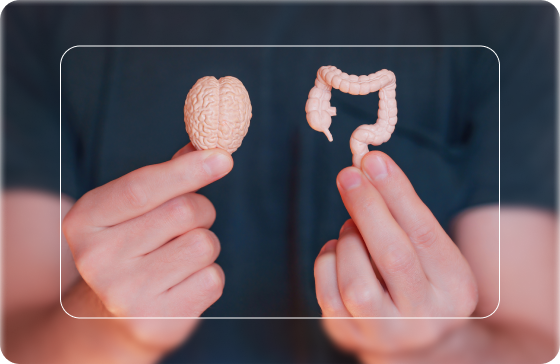
More Than a Gut Feeling
The gut-brain connection explains why:
- Anxiety often comes with digestive issues
- Depression can affect appetite
- Stress impacts digestion
- Brain fog accompanies food sensitivities
- Mood swings follow certain meals
The Science Behind the Gut Brain Connection
A growing body of research explains why addressing gut health is crucial for mental wellbeing—it’s not just about digestion, it’s about creating the biological foundation for emotional resilience and mental clarity.
Neurotransmitter Production
- About 90% of the body’s serotonin is made in the gut, by enterochromaffin cells, and gut bacteria help regulate that production. Gut serotonin does not cross into the brain, but the gut and brain communicate through the vagus nerve, immune signals and microbial metabolites
- Some gut bacteria can produce GABA, a calming neurotransmitter, though how much this affects the brain in people is still being studied
- The vagus nerve provides a direct communication highway between your gut and brain, transmitting chemical signals that influence mood and behavior
Microbiome’s Mental Impact
- A diverse gut microbiome correlates with better emotional regulation and reduced anxiety
- Certain probiotic strains, particularly Lactobacillus and Bifidobacterium species, have been shown to reduce depression symptoms
- The gut microbiota influences stress response through the hypothalamic-pituitary-adrenal (HPA) axis
Inflammation and Brain Function
- Gut inflammation triggers the release of cytokines that can cross the blood-brain barrier
- Increased intestinal permeability (“leaky gut”) has been associated with anxiety and depression in some studies
- Systemic inflammation from gut dysfunction can affect neurotransmitter production and brain function

Stress Response and Resilience
- The gut microbiome influences cortisol levels and stress recovery
- Healthy gut bacteria help regulate the body’s stress response system
- Poor gut health can amplify the brain’s reaction to stress
Early Life and Development
- The gut microbiome plays a crucial role in early brain development
- Early-life stress can alter both gut microbiota and brain function
- Microbiome disruption during development may increase risk for mental health conditions

Leaky Gut and Mental Health
A compromised gut barrier (often called “leaky gut”) is being studied as a possible contributor to mental health symptoms, although research is still early. When your gut lining becomes permeable:
- Inflammation signals reach your brain
- Neurotransmitter production gets disrupted
- Nutrient absorption becomes compromised
- Stress responses intensify
- Brain fog and mood issues emerge
Think of your gut lining as a sophisticated border control system—when functioning properly, it carefully screens what enters your bloodstream from your digestive tract. But when this barrier becomes compromised (what we call “leaky gut”), it’s like having security checkpoints that let through things that should be kept out. Researchers think bacterial products and other molecules may then pass through and trigger an immune response that contributes to inflammation—including in your brain.
This inflammation is where the gut-brain connection becomes crucial for mental health. Inflammatory signals may reach the brain, affecting everything from mood and anxiety to cognitive function. Common triggers like gluten, dairy, or processed foods can become sources of both gut inflammation and mental health symptoms. This may help explain why some people notice mood changes, anxiety spikes, or brain fog after eating certain foods. Food choices can either calm or inflame your entire system, including your brain.
How We Investigate Your Gut Health:
Advanced Testing
- Microbiome analysis (optional; still investigational)
- Food reaction assessment (supervised elimination diet or allergist testing)
- Intestinal permeability assessment (optional; research-level tests)
- Inflammatory marker screening
- Nutrient absorption evaluation
- Genetic insights into metabolism and detoxification
Common Hidden Triggers We Identify
- Stealth infections disrupting gut balance
- Environmental toxins affecting barrier function
- Hidden food sensitivities causing inflammation
- Stress patterns impacting digestion
- Sleep disruptions affecting gut repair
- Medication effects on gut health
Optimizing gut health can transform:
- Sleep quality and natural sleep cycles
- Addiction recovery and craving patterns
- Anxiety and stress resilience
- Mood stability and emotional regulation
- Mental clarity and focus
- Energy levels and vitality


Your Daily Gut-Brain Optimization Plan
Nourish Your Microbiome
- Start your day with gut-supporting foods
- Include fermented foods like kimchi or kefir
- Focus on fiber-rich vegetables and fruits
- Choose anti-inflammatory proteins and fats
- Time your meals with your body’s natural rhythms
Support Your Stress Response
- Practice mindful eating to enhance digestion
- Create calm before meals
- Take regular movement breaks
- Develop a consistent sleep schedule
- Include stress-reducing activities daily
Build Resilience Through Rhythm
- Align eating with your circadian rhythm
- Create consistent meal times
- Allow for proper digestion between meals
- Give your gut a nightly rest period
- Start each day with hydration
This isn’t about perfect adherence—it’s about creating sustainable patterns that support both your gut and mental health. Small, consistent changes are the easiest to keep up.
Frequently Asked Questions
What Makes the Gut-Brain Connection So Powerful?
Your gut and brain are in constant communication through a complex network scientists call the “gut-brain axis”, an intricate communication system involving billions of neurons, hundreds of neurotransmitters, and trillions of beneficial bacteria. This isn’t just a simple pathway—it’s an intricate communication system involving billions of neurons, hundreds of neurotransmitters, and trillions of beneficial bacteria. When you feel butterflies in your stomach during stress, or your mood shifts after eating certain foods, you’re experiencing this connection in action. Your gut contains so many neurons that scientists call it your “second brain.” About 90% of the body’s serotonin is made in the gut, by enterochromaffin cells, and gut bacteria help regulate that production. Gut serotonin does not cross into the brain, but the gut and brain communicate through the vagus nerve, immune signals and microbial metabolites.
How Can a ``Leaky Gut`` Impact Your Mental Health?
Think of your gut lining as a sophisticated security system. When it becomes compromised (what we call “leaky gut”), it’s like having a security breach that allows unwanted substances to enter your bloodstream. This may contribute to inflammation that can reach your brain, affecting everything from mood and anxiety to cognitive function. That’s why people with gut barrier issues often experience:
- Unexplained anxiety or mood swings
- Brain fog that comes and goes
- Depression that resists traditional treatment
- Emotional reactions to certain foods
- Mental clarity that fluctuates with digestive symptoms
Why Do Emotions Feel So Physical in Your Gut?
Your gut contains over 500 million neurons and is as chemically complex as your brain. When you feel “gut-wrenching” anxiety or have a “gut feeling,” you’re experiencing real neurological events—not just metaphors. Your gut’s neural network processes emotions so intensely that it can trigger physical responses like digestive issues during stress or appetite changes during depression. This is one reason we pay attention to gut symptoms alongside standard anxiety and depression treatment.
How Can Healing Your Gut Transform Your Mental Health?
Think of your gut as the foundation of your mental health house. When patients improve their gut health, some notice benefits beyond digestion:
- Anxiety may ease as digestive symptoms settle
- Mood may improve for some people, alongside their other treatment
- Brain fog clears as nutrient absorption improves
- Emotional resilience builds as stress response systems rebalance
- Sleep quality improves as melatonin production regulates
- Food-mood connections may become more stable
What Does Real Gut-Brain Healing Look Like?
Recovery isn’t just about taking probiotics or eliminating certain foods—it’s a journey of comprehensive transformation. Here’s what we typically see in our patients:
First 1-2 Months:
- Subtle shifts in mood stability
- Better digestion after meals
- More predictable energy patterns
- Reduced food-related anxiety
Months 3-4:
- Significant reduction in brain fog
- More resilient stress response
- Better sleep quality
- Decreased inflammation markers
Months 6+:
- Sustainable mood improvement
- Clear food-mood patterns identified
- Restored gut barrier function
- Enhanced emotional resilience
For example, one patient came to us with treatment-resistant anxiety and IBS. By month 4, after addressing hidden gut infections and rebalancing her microbiome, both her anxiety and digestive symptoms had improved substantially. Individual results vary. Another patient found his depression lifting after we identified and treated stealth inflammation and nutrient deficiencies affecting his gut-brain axis.
What Makes Our Gut-Brain Treatment Approach Different?
Instead of just prescribing medications or suggesting a generic elimination diet, we build a personalized plan based on your history, standard testing and, where useful, optional specialty tests:
Phase 1: Discovery & Assessment
- Microbiome analysis (optional; still investigational)
- Food reaction assessment (elimination diet; IgG panels not used)
- Inflammatory marker screening
- Gut permeability assessment (optional; research-level tests)
- Nutrient status evaluation
Phase 2: Targeted Healing
- Personalized food-mood protocols
- Specific strain-based probiotics
- Targeted supplementation
- Gut barrier restoration
- Inflammation reduction
Phase 3: Integration & Maintenance
- Sustainable diet strategies
- Stress response optimization
- Sleep-gut rhythm alignment
- Long-term resilience building
- Ongoing support and monitoring
How Do You Maintain Your Gut-Brain Health Long-Term?
Once you’ve achieved initial healing, maintaining your gut-brain health becomes about creating sustainable patterns rather than perfect adherence. Our successful patients follow these key maintenance strategies:
Daily Foundations:
- Morning gut-support routine (lemon water, fiber, probiotics)
- Stress-reducing practices (even just 5-10 minutes)
- Regular eating times aligned with circadian rhythms
- Movement that supports digestion
- Sleep hygiene practices
Weekly Check-ins:
- Tracking mood-food connections
- Monitoring stress levels
- Adjusting supplement protocols as needed
- Planning stress-management activities
- Preparing gut-healthy meals
Monthly Prevention:
- Regular probiotic rotation
- Gut barrier support assessment
- Stress response evaluation
- Environmental toxin review
- Lifestyle pattern adjustments
How Do We Test for Leaky Gut and Why Does It Matter?
Tests for intestinal permeability (leaky gut) are mostly research tools. Some integrative clinicians use the tests below, but none is validated for diagnosing a mental health condition, and we treat them as optional:
Core Testing:
- Zonulin levels (commercial serum zonulin assays are unreliable)
- Intestinal fatty acid binding proteins (show barrier damage)
- Lipopolysaccharides (LPS) markers
- Inflammatory cytokine patterns
- Food protein antibodies (IgG food panels mainly reflect normal exposure and are not recommended for diagnosing food intolerance)
What these tests aim to show (not validated for diagnosis):
- Possible barrier changes
- Specific areas of inflammation
- Immune system activation patterns
- Hidden infection markers
- Changes over time
For example, one patient with anxiety spikes after meals improved when we addressed her digestive symptoms and diet alongside her anxiety treatment. One patient’s experience does not predict another’s.
Begin Your Healing Journey Today
Learn more about the Bliss Protocol, Dr. Lewis’s online integrative psychiatry and functional medicine course.
The information provided on this website is for educational and informational purposes only. It is not intended to be a substitute for professional medical advice, diagnosis, or treatment. Always seek the advice of your physician or other qualified health provider with any questions you may have regarding a medical condition.