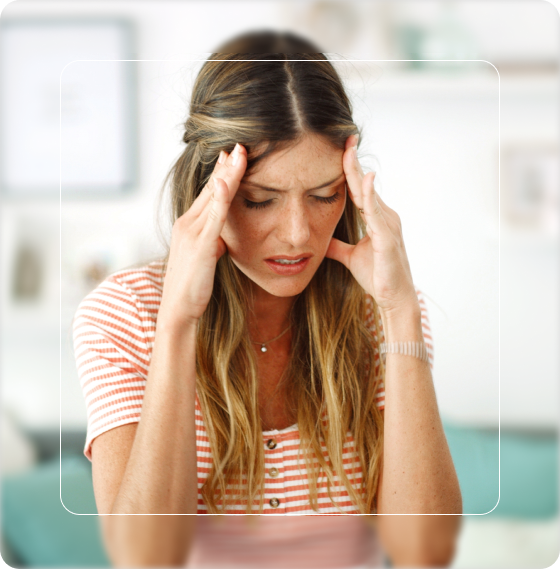
Anxiety: A Whole-Person Framework for Understanding, Treating, and Resolving Chronic Anxiety

Anxiety: A Whole-Person Framework for Understanding, Treating, and Resolving Chronic Anxiety

Anxiety is one of the most common reasons people seek mental health care — and one of the most misunderstood.

For some, anxiety shows up as constant worry.
For others, it’s panic attacks, social fear, insomnia, digestive symptoms, or a sense of being perpetually “on edge.”
Many people don’t even identify it as anxiety — they experience it as fatigue, irritability, brain fog, perfectionism, or burnout.

At Dr. Lewis’s practice, anxiety is understood not as a single disorder, but as a pattern of nervous system dysregulation shaped by biology, metabolism, trauma, gut health, hormones, sleep, and life context.

This page serves as the central anxiety hub, guiding you to specialized resources on:

  • Anxiety subtypes (GAD, social anxiety, panic, trauma-related anxiety)
  • Metabolic and blood sugar drivers
  • Gut–brain and inflammatory contributors
  • Hormonal and life-stage factors
  • Therapy, medication, and integrative treatment options

anxiety ()
anxiety ()

What Anxiety Really Is (And Why It’s So Hard to “Think Your Way Out of It”)

Anxiety is not weakness.
It’s not a lack of coping skills.
And it’s not simply “negative thinking.”

Anxiety is a protective response — the brain and body signaling perceived threat.

When anxiety becomes chronic, it reflects a system stuck in:

  • Hypervigilance
  • Fight-or-flight activation
  • Reduced capacity for rest, digestion, focus, and emotional flexibility

This is why reassurance alone doesn’t help — and why purely cognitive approaches often fall short unless the underlying drivers are addressed.

Anxiety Is Not One Condition: Understanding Anxiety Subtypes

One of the biggest mistakes in anxiety treatment is assuming all anxiety works the same way.

Generalized Anxiety Disorder (GAD)

  • Persistent, excessive worry
  • Muscle tension
  • Sleep disruption
  • Cognitive overload

Social Anxiety

  • Fear of judgment or embarrassment
  • Anticipatory anxiety
  • Avoidance patterns
  • Often linked to shame and past experiences

Panic & Acute Anxiety

  • Sudden surges of fear
  • Physical symptoms (heart racing, shortness of breath, dizziness)
  • Often misinterpreted as medical emergencies

Trauma-Related Anxiety

  • Rooted in nervous system memory, not conscious fear
  • Often coexists with PTSD or complex trauma
  • Triggered by cues the person may not consciously recognize

Anxiety as a Whole-Body Condition

Anxiety is frequently treated as a psychological problem — but for many people, it is biological first and psychological second.

Key systems involved include:

  • Blood sugar regulation
  • Inflammation
  • Gut microbiome
  • Hormonal signaling
  • Sleep and circadian rhythms

Ignoring these drivers leads to partial relief at best — and treatment resistance at worst.

anxiety ()
anxiety ()

Anxiety and Metabolic Health

Blood sugar instability is one of the most overlooked causes of anxiety symptoms.

When glucose drops or fluctuates rapidly, the body releases:

  • Cortisol
  • Adrenaline
  • Glucagon

These hormones feel identical to anxiety — racing heart, shakiness, dread, irritability.

Common clues:

  • Anxiety worse when hungry
  • Morning anxiety
  • Anxiety that improves after eating
  • Anxiety misdiagnosed as panic disorder

Anxiety and the Gut–Brain Axis

The gut produces and regulates many of the same chemicals involved in anxiety:

  • GABA
  • Serotonin
  • Short-chain fatty acids
  • Immune signaling molecules

Gut imbalance can amplify anxiety through:

  • Inflammation
  • Altered neurotransmitter production
  • Vagus nerve signaling disruption

Mask group

Anxiety, Inflammation, and the Immune System

Chronic inflammation sensitizes the nervous system and lowers stress tolerance.

Inflammation-linked anxiety is often:

  • Physically intense
  • Accompanied by fatigue or pain
  • Resistant to standard therapy alone

Anxiety and Hormones (Especially in Women)

Hormonal fluctuations strongly affect anxiety sensitivity.

Key transitions include:

  • PMS / PMDD
  • Pregnancy and postpartum
  • Perimenopause and menopause

Estrogen and progesterone interact directly with:

  • GABA receptors
  • Serotonin signaling
  • Stress hormone regulation

Therapy Approaches for Anxiety

Therapy helps anxiety when it matches the mechanism.

CBT

  • Best for cognitive distortions
  • Structured, skill-based

DBT

  • Emotional regulation
  • Distress tolerance
  • Helpful for anxiety with emotional intensity

Trauma-Informed Therapy

  • Addresses nervous system memory
  • Essential for trauma-linked anxiety

anxiety ()

Anxiety Medications vs Integrative Treatment

Medication can be helpful — but should be precisely chosen and monitored.

Common categories:

  • SSRIs / SNRIs
  • Beta blockers
  • Buspirone
  • Benzodiazepines (short-term only)

An integrative model asks:

  • What biological system is driving this anxiety?
  • Can nutrition, sleep, or gut health reduce medication burden?
  • How do metabolic factors affect side effects?

Supplements for Anxiety: Caution and Clarity

Supplements can help — or worsen anxiety — depending on the person.

Commonly used:

  • Magnesium
  • Omega-3s
  • L-theanine
  • Adaptogens
  • GABA-supportive compounds

anxiety ()
anxiety ()

Anxiety Care at Dr. Lewis’s Practice

Anxiety treatment here focuses on:

  • Correct diagnosis
  • Nervous system regulation
  • Root-cause biology
  • Sustainable relief

Care may include:

  • Psychiatric evaluation
  • Medication management
  • Functional lab testing
  • Nutrition and lifestyle integration
  • Therapy and coaching collaboration

Final Takeaway

Anxiety is not a single disorder — it’s a pattern.

When anxiety is treated at the level of:

  • Nervous system regulation
  • Metabolism
  • Gut health
  • Hormones
  • Trauma

relief becomes more stable, sustainable, and humane.

This page is your starting point. The deeper resources above help tailor care to your nervous system — not just your diagnosis.

anxiety ()

ADHD is not a failure of focus—it’s a signal.

A signal that the brain’s regulatory systems need better support.

By integrating neuroscience, metabolism, nutrition, gut health, and compassionate psychiatric care, ADHD treatment can move beyond coping toward real capacity.