
GABA and Gut Bacteria: How Lactobacillus Species Help Calm the Brain

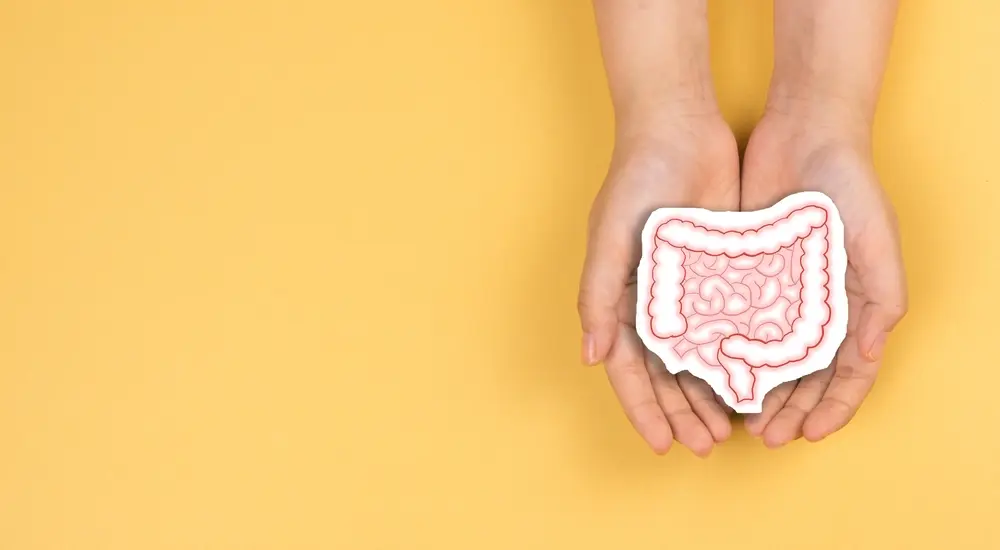
Your gut plays a much larger role in mental health than most people realize. One reason is the ability of certain gut bacteria to produce GABA, the brain’s main calming neurotransmitter. Among them, specific Lactobacillus strains have gained attention for their potential to support anxiety, mood, and sleep through the gut–brain connection.
Here’s how it works and how we use this science in functional psychiatry.
What GABA Does for the Brain
GABA helps slow down overactive neural activity. When GABA levels are steady, people often feel:
Less anxious
More emotionally regulated
More focused
Better able to fall and stay asleep
Low GABA has been linked to anxiety disorders, insomnia, depression, and chronic stress reactivity.
Medications can target GABA pathways, but research now shows that some gut microbes influence these pathways naturally.
How Lactobacillus Bacteria Make GABA
Several Lactobacillus strains convert glutamate into GABA using an enzyme called glutamate decarboxylase (GAD).
Key GABA-producing strains
Levilactobacillus brevis
Lactiplantibacillus plantarum
Limosilactobacillus reuteri
These strains carry the gadB and gadC genes, which allow them to generate GABA from the glutamate found in food proteins or already present in the gut.
Once produced, GABA interacts with:
Local neurons in the intestinal wall
Immune cells
The vagus nerve, which communicates directly with the brain
This is a central part of the gut–brain axis and a major reason gut health affects mood.
Why Strain-Specific Selection Matters
Not all Lactobacillus strains produce GABA. The effect is highly strain-dependent.
Among those studied, L. brevis and L. plantarum consistently show the strongest GABA activity.
Fermentation conditions—such as pH, nutrient availability, and substrate levels—can increase GABA production, which opens possibilities for more targeted therapeutic formulations.
What Research Suggests
Across human, animal, and laboratory studies, GABA-producing Lactobacillus strains show potential to:
Lower anxiety
Improve stress recovery
Support cognitive performance
Improve sleep quality
One study using magnetic resonance spectroscopy even showed increased GABA levels in the brain after taking a Lactobacillus strain orally, along with rises in other neuroprotective compounds.
How We Apply This in Functional Psychiatry
Understanding how gut bacteria influence neurotransmitters allows for a more comprehensive approach to stabilizing mood and supporting the stress response.
1. Choose targeted psychobiotics
Look for products listing specific strains such as:
Lactobacillus brevis CRL 2013
Lactobacillus plantarum K16
General probiotic blends may not include GABA-producing strains.
2. Support healthy glutamate pathways
Dietary proteins and certain fermented foods can increase the substrate these bacteria use to create GABA.
3. Strengthen the gut environment
GABA-producing bacteria function best when the gut lining and microbiome are healthy. This often involves:
Reducing inflammation
Repairing intestinal permeability
Avoiding unnecessary antibiotics
4. Use microbiome testing when appropriate
Advanced stool testing can show whether GABA-producing species are present or depleted.
5. Pair with calming strategies
Microbial support works well alongside:
Breathwork or mindfulness
Adaptogenic herbs
Nutritional support for neurotransmitter pathways
This creates a multi-layered plan that supports both biology and behavior.

Where This Research Is Heading
The idea that gut bacteria help regulate neurotransmitters once felt theoretical. Now it’s becoming a meaningful part of mental health care.
Emerging developments include:
Precision psychobiotics
Diet-based strategies to enhance GABA generation
Microbiome screens that map neurotransmitter potential
Personalized interventions based on how an individual’s gut interacts with stress
These tools allow us to personalize treatment and support more stable emotional regulation over time.
Exploring Gut–Brain Support
If you’re curious whether your gut health is influencing your mood, stress response, or sleep, we offer:
Advanced microbiome analysis
Functional psychiatry evaluations
Targeted psychobiotic and nutritional planning
This approach aims to help you feel calmer, more grounded, and more resilient—using your biology to your advantage.
References
- Langa, S., Santos, S., Flores, J. A., et al. (2024). Selection of GABA-producing lactic acid bacteria strains by PCR using novel gadB and gadC primers. International Journal of Molecular Sciences, 25(24), 13696. https://doi.org/10.3390/ijms252413696
- Tyagi, A., Chen, X., Shan, L., et al. (2023). Whole-genome analysis of GABA-producing psychobiotic L. reuteri. Gene, 858, 147195. https://doi.org/10.1016/j.gene.2023.147195
- Monteagudo-Mera, A., Fanti, V., Rodriguez-Sobstel, C., et al. (2023). GABA production by commercially available probiotic strains. Journal of Applied Microbiology, 134(2), lxac066. https://doi.org/10.1093/jambio/lxac066
- Diez-Gutiérrez, L., Vicente, L. S., Sáenz, J., et al. (2022). GABA biosynthesis by L. plantarum K16. Scientific Reports, 12(1), 18904. https://doi.org/10.1038/s41598-022-22875-w
- Cui, Y., Miao, K., Niyaphorn, S., & Qu, X. (2020). Production of GABA from lactic acid bacteria: A review. International Journal of Molecular Sciences, 21(3), 995. https://doi.org/10.3390/ijms21030995
- Mousavi, R., Mottawea, W., Hassan, H., et al. (2022). Screening of GABA-producing probiotics under colonic conditions. Journal of Applied Microbiology, 132(6), 4452–4465. https://doi.org/10.1111/jam.15550
- Cataldo, P. G., Villegas, J. M., Savoy de Giori, G., et al. (2020). Enhancement of GABA production by L. brevis CRL 2013. International Journal of Food Microbiology, 333, 108792. https://doi.org/10.1016/j.ijfoodmicro.2020.108792
- Yunes, R. A., Poluektova, E. U., Dyachkova, M. S., et al. (2016). GABA production and gad gene structure in Lactobacillus and Bifidobacterium. Anaerobe, 42, 197–204. https://doi.org/10.1016/j.anaerobe.2016.10.011
- Liu, H., Liu, D., Zhang, C., et al. (2024). Regulation of in vitro and in vivo GABA production by L. brevis YSJ3. International Journal of Food Microbiology, 421, 110787. https://doi.org/10.1016/j.ijfoodmicro.2024.110787
- Pannerchelvan, S., Rios-Solis, L., Faizal Wong, F. W., et al. (2023). Strategies for improving GABA biosynthesis via LAB fermentation. Food & Function, 14(9), 3929–3948. https://doi.org/10.1039/d2fo03936b
- Janik, R., Thomason, L. A. M., Stanisz, A. M., et al. (2016). MRS reveals oral Lactobacillus increases brain GABA and other metabolites. NeuroImage, 125, 988–995. https://doi.org/10.1016/j.neuroimage.2015.11.018
The information provided on this blog is for educational and informational purposes only. It is not intended to be a substitute for professional medical advice, diagnosis, or treatment. Always seek the advice of your physician or other qualified health provider with any questions you may have regarding a medical condition.


A Message From Dr. Lewis If you’ve been struggling with depression or anxiety, I want you to know something important:
The Conversation That Surprised Me A few years ago, I had a patient named Greg who’d been on escitalopram (Lexapro)


You’re Not Meant to Go Through Life Alone In our increasingly connected yet often isolating world, you might sometimes feel