


We often think of blood sugar as something only people with diabetes need to worry about. But the reality is that the stability of your blood sugar is one of the most powerful, moment-to-moment influences on how you think, feel, and experience the world. If you’ve ever felt irritable and unfocused when you’re hungry (“hangry”) or sluggish and foggy after a carb-heavy meal, you’ve experienced the direct link between blood sugar and mental health.
From the perspective of metabolic psychiatry, managing blood sugar isn’t just a minor detail—it’s a foundational pillar of mental wellness. The constant fluctuations between high and low blood sugar create a state of biological chaos that directly impacts your mood, energy levels, and anxiety. For many, the rollercoaster of an unstable mood is simply a reflection of an unstable energy supply to the brain.
Understanding how your brain responds to the food you eat is an empowering first step toward achieving mental and emotional stability. Let’s dive into the science of how blood sugar shapes your mental state and what you can do to get off the rollercoaster for good.
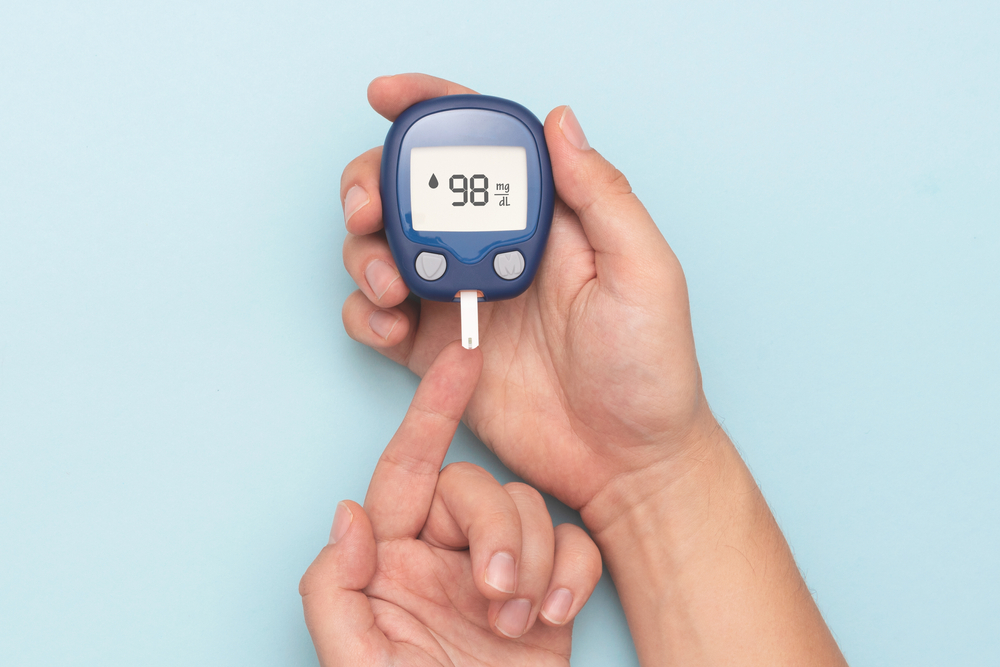
Your Brain on the Blood Sugar Rollercoaster
Your brain is an energy-hungry organ. It requires a constant, steady supply of glucose to function optimally. When your diet is full of refined carbohydrates and sugar, it creates a volatile cycle of extreme highs and lows in your blood glucose levels, and your brain is taken along for the ride.
The Spike: A Rush of False Energy
When you consume a sugary drink or a meal high in processed carbs, glucose floods your bloodstream. This causes a rapid spike in blood sugar. Initially, this might feel good—a temporary rush of energy or a brief lift in mood. However, your body sees this extreme spike as an emergency.
In response, your pancreas works overtime, releasing a large amount of the hormone insulin to quickly move all that sugar out of your blood and into your cells. This process is what sets you up for the inevitable crash.
The Crash: Anxiety in a Bloodstream
The insulin surge is often too powerful. It removes sugar from the blood so effectively that your glucose levels plummet, dropping below the normal range. This state is known as reactive hypoglycemia, or a blood sugar “crash.”
For your brain, this is a five-alarm fire. It perceives a critical fuel shortage and triggers the release of stress hormones, primarily adrenaline and cortisol, to raise blood sugar back to a safe level. This stress hormone surge creates a physiological state that is identical to a panic attack. You might experience:
- A racing heart or palpitations
- Shakiness and trembling
- Sweating
- Intense anxiety and a sense of dread
- Irritability and agitation
This isn’t just “in your head.” Your anxiety is a direct, biological response to your brain screaming for fuel. This cycle of spike-and-crash can happen multiple times a day, leaving you feeling emotionally volatile and physically exhausted.
Insulin Resistance: When the System Breaks Down
Over time, if your body is constantly exposed to high blood sugar and the resulting insulin surges, your cells can start to ignore insulin’s signal. This is a condition called insulin resistance. It’s like your cells are “tuning out” the constant shouting from insulin.
When this happens, your pancreas has to work even harder, producing more and more insulin to try and get the message through. This leads to chronically high levels of both glucose and insulin in the blood, a state that is highly damaging to both the body and the brain.
How Insulin Resistance Fuels Mental Illness
From a metabolic psychiatry standpoint, insulin resistance is a key driver of mental health disorders. When the brain itself becomes insulin resistant, it loses its ability to effectively use glucose for energy, even when there’s plenty of it in the blood. This creates a chronic energy deficit in the brain, leading to serious consequences:
- Increased Risk of Depression: Numerous studies show a strong link between insulin resistance and an increased risk of developing major depressive disorder. An energy-starved brain struggles to regulate mood.
- Worsening Anxiety: Chronically high insulin levels are pro-inflammatory and disrupt the body’s stress response system (the HPA axis), contributing to a constant state of anxiety.
- Cognitive Decline: The brain’s inability to get the fuel it needs impairs cognitive functions like memory, focus, and mental clarity, often described as “brain fog.”
- Fueling Inflammation: High insulin is a powerful inflammatory signal. This inflammation can spread to the brain (neuroinflammation), further disrupting brain function and worsening mood.
Insulin resistance places the brain in a constant state of metabolic stress, making it far more vulnerable to psychiatric symptoms.
Practical Steps to Stabilize Your Blood Sugar
The great news is that you can take back control of your blood sugar through simple, sustainable changes to your diet and lifestyle. The goal is to flatten the curve, providing your brain with a steady, reliable source of energy throughout the day.
- Prioritize Protein and Fat: Instead of starting your day with a carb-heavy breakfast like cereal or a pastry, opt for a meal built around protein and healthy fat, such as eggs with avocado or a protein smoothie. Protein and fat slow down the absorption of carbohydrates, preventing sharp spikes in blood sugar.
- Eat Your Veggies First: A simple but effective trick is to eat the non-starchy vegetables in your meal before you eat the carbohydrates. The fiber in the vegetables helps slow the release of sugar into your bloodstream.
- Move After You Eat: You don’t need to run a marathon. A simple 10-15 minute walk after a meal can have a profound impact. Your muscles will use the glucose from your meal for energy, helping to lower your blood sugar spike naturally.
- Avoid Naked Carbs: Try not to eat carbohydrates by themselves. “Dress” them with protein, fat, or fiber. Instead of just an apple, have an apple with a handful of almonds or a slice of cheese. This blunts the glycemic impact.
- Eliminate Liquid Sugar: Sugary drinks like sodas, sweetened teas, and fruit juices are the fastest way to spike your blood sugar. Swap them for water, sparkling water, or unsweetened herbal tea.
A Stable Foundation for a Stable Mind
It is crucial to state that these strategies are not a replacement for therapy or medication when needed. Rather, they create the biological foundation that allows other treatments to be more effective. By addressing the root cause of metabolic dysfunction, you provide your brain with the stability it needs to heal.
The connection between blood sugar and mental health is a cornerstone of metabolic psychiatry. It shows us that what you put on your plate has a direct and powerful effect on your mental and emotional state. This knowledge is empowering because it gives you a tangible way to improve your well-being with every meal.
If you are tired of riding the mood rollercoaster and suspect that your metabolic health is playing a role, we encourage you to consult with a professional. A clinician trained in metabolic or functional psychiatry can help you investigate your unique biology and create a personalized plan to restore balance, providing a path to lasting mental wellness.


A Message From Dr. Lewis If you’ve been struggling with depression or anxiety, I want you to know something important:

The Conversation That Surprised Me A few years ago, I had a patient named Greg who’d been on escitalopram (Lexapro)

The link between yoga and mental health has become sufficiently well established as to be practically mainstream. What was associated

You’re Not Meant to Go Through Life Alone In our increasingly connected yet often isolating world, you might sometimes feel