

Comprehensive Stool Testing: What Your Digestive Health Reveals About Your Mood

How Your Gut Affects Your Mood
If you’ve been dealing with depression, anxiety, or mental health symptoms that don’t improve the way you hoped, your digestive system may be playing a bigger role than you realize. The gut and brain communicate constantly through nerves, hormones, neurotransmitters, immune cells, and your microbiome. When something in the gut is off, mental health is often affected too.
Comprehensive stool testing helps identify issues that traditional psychiatric evaluation may miss — such as inflammation, poor digestion, nutrient malabsorption, microbial imbalance, or hidden infections. Addressing these root causes can make psychiatric treatments more effective and, in some cases, relieve symptoms that previously seemed resistant to care.
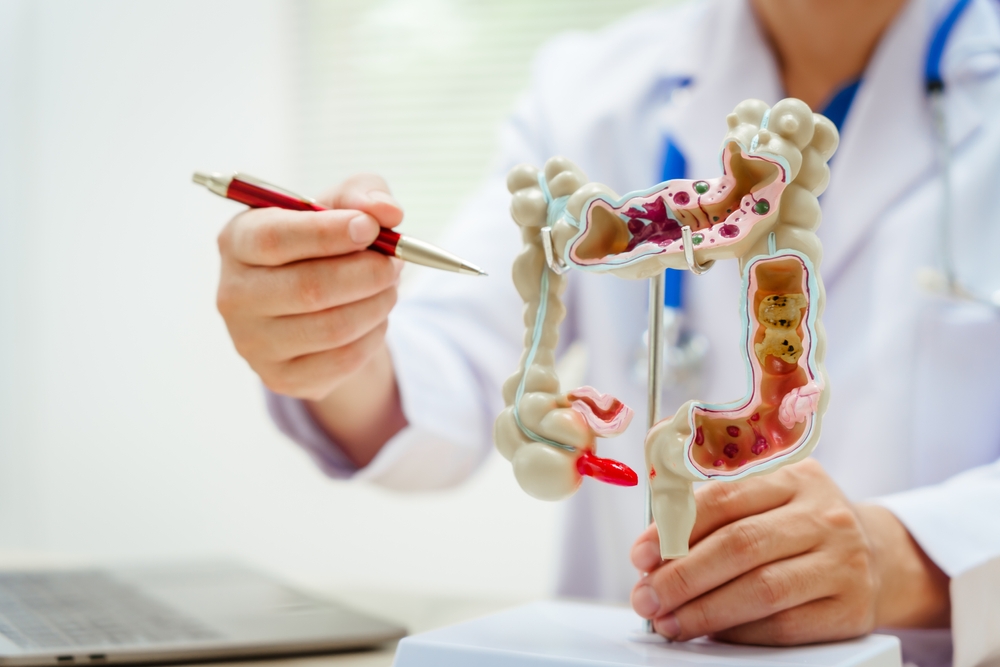

What Stool Testing Can Reveal
A complete stool analysis provides insight into four major gut areas that directly influence mood:
1. Digestive Function
If your body isn’t breaking down food well, it can’t absorb nutrients required for brain health.
Common findings:
Low pancreatic enzymes
Poor fat digestion
Signs of poor protein breakdown
These issues can lead to:
Depression or anxiety that doesn’t respond to treatment
Fatigue and brain fog
Vitamin D or omega-3 deficiencies
Poor response to supplements
2. Gut Inflammation
Chronic gut inflammation can trigger inflammation in the brain.
Key markers:
Calprotectin
Secretory IgA
Lactoferrin
Symptoms often include:
Mood instability
Cognitive fog
Irritability
Poor response to antidepressants
3. Microbial Balance
Your microbiome produces neurotransmitters like serotonin and GABA.
Testing shows:
Beneficial bacteria levels
Overgrowth of harmful bacteria
Yeast or fungal imbalance
Parasites
Low Lactobacillus or Bifidobacterium often correlates with:
Anxiety
Poor stress tolerance
Sleep disruption
Persistent depression
Significant yeast or harmful bacteria may cause:
Brain fog
Irritability
Sugar cravings
Mood swings
4. Immune Activity
About 70% of your immune system sits in your gut. Immune imbalance can affect mood.
High or low sIgA may show:
Chronic stress
Food sensitivities
Hidden infections
How Gut Issues Show Up as Mental Health Symptoms
Low Pancreatic Enzymes
Signs:
Depression not improving
Fatigue
Feeling worse after meals
Bloating
Why it matters:
Without proper enzyme activity, you can’t absorb amino acids needed for neurotransmitters like serotonin.
Fat Malabsorption
Signs:
Seasonal depression
Irritability
Poor response to omega-3s
Memory problems
Why it matters:
Your brain needs healthy fats and vitamin D — both require good fat absorption.
Protein Digestion Problems
Signs:
Treatment-resistant depression
Anxiety
Sleep issues
Why it matters:
Amino acids from protein are the raw materials for brain chemistry.
Gut Inflammation
Mild to moderate elevations can cause:
Brain fog
Food-triggered mood changes
Low energy
Stress sensitivity
More severe inflammation can mimic or worsen:
Major depression
Anxiety disorders
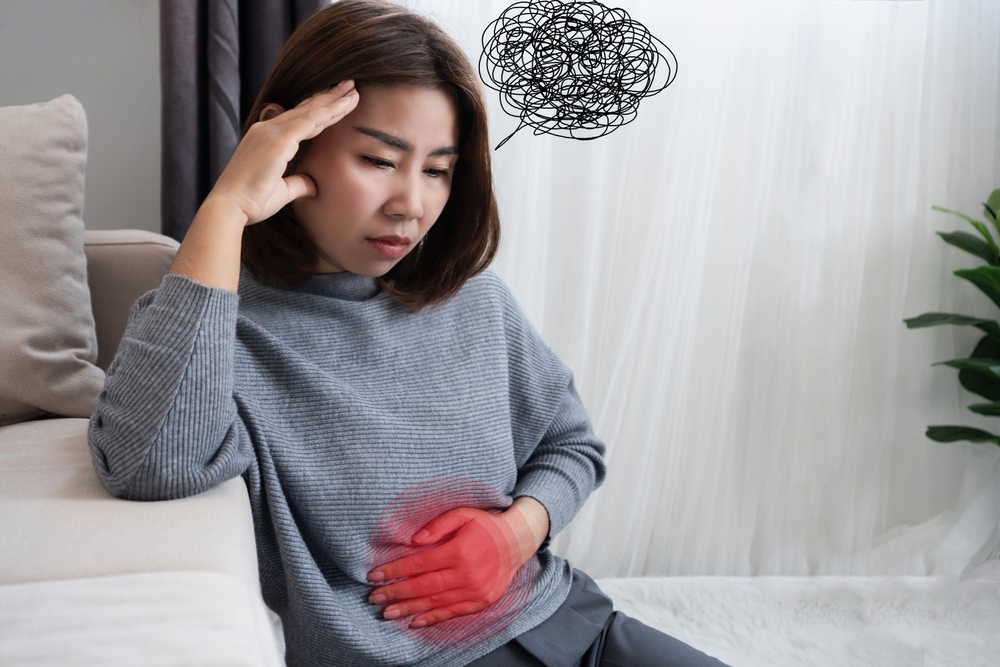

Understanding Your Microbiome
Beneficial Bacteria
Low levels often mean:
Higher anxiety
Poor stress resilience
Trouble sleeping
Increased inflammation
Harmful Bacteria
Overgrowth can lead to:
Mood swings
Irritability
Cognitive issues
Unpredictable anxiety
Yeast Overgrowth
Common signs:
Brain fog
Cravings
Mood swings
Fatigue
Parasites
Even mild infections can contribute to:
Chronic inflammation
Poor nutrient absorption
Ongoing anxiety
When Testing Is Most Helpful
Consider testing if you have:
Treatment-resistant mental health symptoms
Depression or anxiety not improving after multiple medication trials
Needing high doses to feel better
Loss of medication effectiveness
Digestive issues with mood symptoms
IBS, chronic bloating, constipation, diarrhea
Symptoms that worsen with certain foods
Symptoms after antibiotics or infections
Mood decline after antibiotics
Mental health changes following stomach illness
Nutrient deficiencies that don’t correct
Low vitamin D
Low B vitamins
Low omega-3s
Autoimmune or inflammatory patterns
Ongoing fatigue
Aches and pains
Mood changes with inflammation
Preparing for Testing
Before the test
Avoid antibiotics for 4 weeks (if possible)
Keep your normal diet
Continue psychiatric medications
Notify your provider about supplements
How long results take
Typically 2–3 weeks
Interpretation appointment is essential
Using Results in Your Treatment Plan
A stool analysis doesn’t replace psychiatric care — it complements it.
Results may guide:
Targeted treatment
Digestive enzymes
Anti-inflammatory protocols
Probiotics tailored to your microbiome
Antifungals or antimicrobials when needed
Food sensitivity or elimination guidance
Better medication response
Improving digestion and nutrient absorption often:
Enhances antidepressant effectiveness
Reduces side effects
Stabilizes mood more consistently
Follow-up monitoring
Mood tracking
Digestive symptom changes
Repeat labs when needed
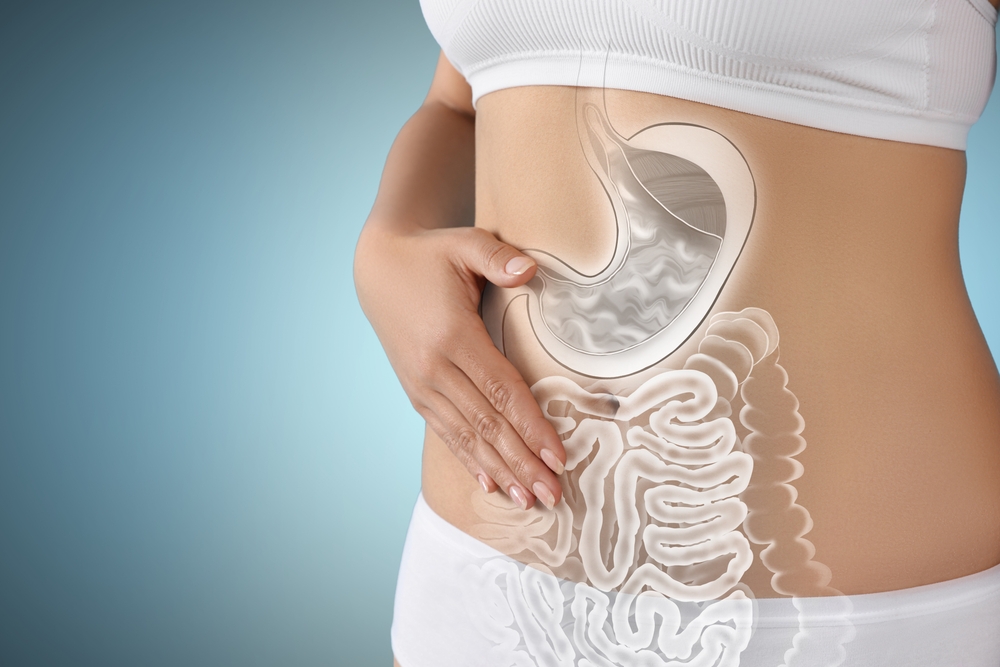
Why This Testing Matters
For many people with treatment-resistant depression or anxiety, gut dysfunction is a major missing piece. Addressing the gut often helps:
Improve mood
Reduce anxiety
Increase energy
Improve cognition
Enhance therapy outcomes
Make medications work more smoothly
Comprehensive stool testing offers a clearer picture of what’s happening inside your body — and how it may be affecting your mental wellness.
Professional Support
If you’re interested in whether comprehensive stool testing may help you better understand your mental health symptoms, we can help you determine if it’s a good fit and create a personalized treatment plan based on your results.
For more information, visit www.drlewis.com.
References
Arbabi, F., Shapoury, R., Haghi, F., Zeighami, H., & Pirzeh, R. (2024). Investigating the bacterial profiles of Lactobacillus, Bifidobacterium, Actinobacteria, Fusobacterium, Firmicutes, and Bacteroides in stool samples from patients with severe depression and healthy individuals. Psychoneuroendocrinology, 170, 107090. https://doi.org/10.1016/j.psyneuen.2024.107090
Donoso, F., Cryan, J. F., Olavarría-Ramírez, L., Nolan, Y. M., & Clarke, G. (2023). Inflammation, lifestyle factors, and the microbiome–gut–brain axis: Relevance to depression and antidepressant action. Clinical Pharmacology and Therapeutics, 113(2), 246–259. https://doi.org/10.1002/cpt.2581
Dziedzic, A., Maciak, K., Bliźniewska-Kowalska, K., et al. (2024). The power of psychobiotics in depression: A modern approach through the microbiota–gut–brain axis: A literature review. Nutrients, 16(7), 1054. https://doi.org/10.3390/nu16071054
Patel, R. A., Panche, A. N., & Harke, S. N. (2025). Gut microbiome–gut brain axis–depression: Interconnection. The World Journal of Biological Psychiatry, 26(1), 1–36. https://doi.org/10.1080/15622975.2024.2436854
Radford-Smith, D. E., & Anthony, D. C. (2023). Prebiotic and probiotic modulation of the microbiota–gut–brain axis in depression. Nutrients, 15(8), 1880. https://doi.org/10.3390/nu15081880
Radjabzadeh, D., Bosch, J. A., Uitterlinden, A. G., et al. (2022). Gut microbiome-wide association study of depressive symptoms. Nature Communications, 13(1), 7128. https://doi.org/10.1038/s41467-022-34502-3
Rathour, D., Shah, S., Khan, S., et al. (2023). Role of gut microbiota in depression: Understanding molecular pathways, recent research, and future direction. Behavioural Brain Research, 436, 114081. https://doi.org/10.1016/j.bbr.2022.114081
Sanada, K., Nakajima, S., Kurokawa, S., et al. (2020). Gut microbiota and major depressive disorder: A systematic review and meta-analysis. Journal of Affective Disorders, 266, 1–13. https://doi.org/10.1016/j.jad.2020.01.102
Sonali, S., Ray, B., Ahmed Tousif, H., et al. (2022). Mechanistic insights into the link between gut dysbiosis and major depression: An extensive review. Cells, 11(8), 1362. https://doi.org/10.3390/cells11081362
Suda, K., & Matsuda, K. (2022). How microbes affect depression: Underlying mechanisms via the gut-brain axis and the modulating role of probiotics. International Journal of Molecular Sciences, 23(3), 1172. https://doi.org/10.3390/ijms23031172


A Message From Dr. Lewis If you’ve been struggling with depression or anxiety, I want you to know something important:

The Conversation That Surprised Me A few years ago, I had a patient named Greg who’d been on escitalopram (Lexapro)

The link between yoga and mental health has become sufficiently well established as to be practically mainstream. What was associated

You’re Not Meant to Go Through Life Alone In our increasingly connected yet often isolating world, you might sometimes feel