

Fecal Microbiota Transplantation (FMT) and Mental Health: What You Need to Know

In recent years, the connection between the gut and the brain has transformed how we think about mental health. As we learn more about how gut microbes influence mood, stress, and brain function, one emerging therapy has gained attention: Fecal Microbiota Transplantation (FMT).
While it may sound surprising, FMT is a real medical procedure with promising—though still early—research behind it. Here’s what you need to know.
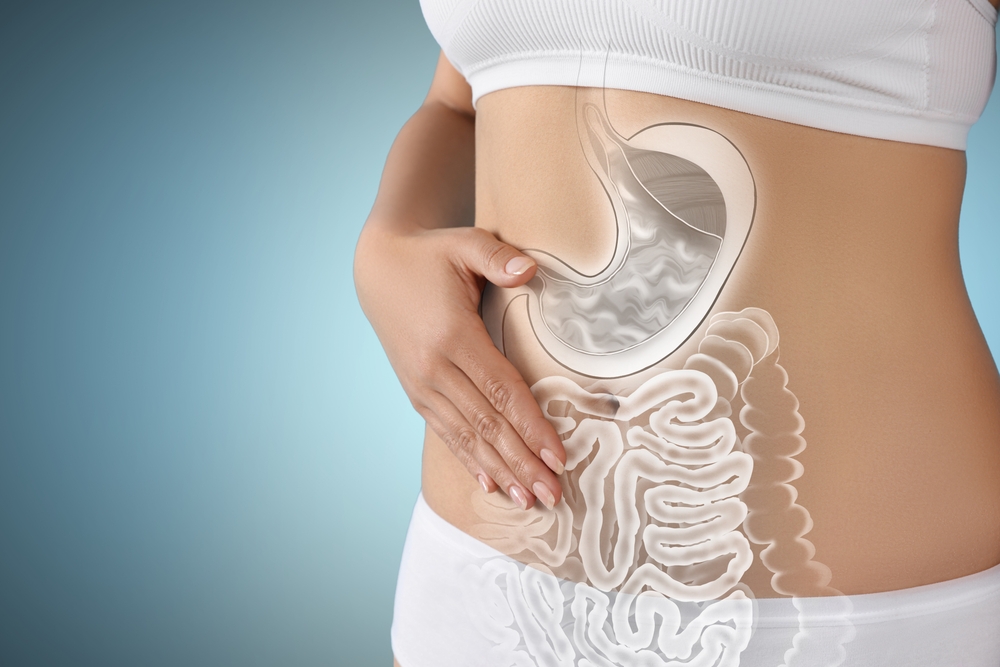

What Is FMT?
Fecal Microbiota Transplantation (FMT) involves transferring healthy bacteria from a donor’s stool into the gut of someone with an imbalanced microbiome. It’s already an established treatment for a specific infection called C. difficile, but researchers are exploring its potential for a wide range of conditions, including those that affect mental health.
Why Are Scientists Interested in FMT for Mental Health?
Our gut microbiome—the trillions of bacteria living in our digestive tract—plays a major role in:
- Regulating mood and stress responses
- Producing neurotransmitters like serotonin and GABA
- Reducing inflammation that can affect brain function
Early studies suggest that restoring a healthy gut microbiome through FMT might help reduce symptoms of depression, anxiety, and other mood disorders, especially when those symptoms occur alongside gut issues like IBS or constipation.
In small clinical trials and animal studies, FMT has been associated with:
- Improved mood and reduced depressive symptoms
- Lower anxiety
- Better quality of life
What Does the Research Say So Far?
The research is still in its early stages, but findings are encouraging:
- A 2023 pilot trial in people with major depression found that FMT was well tolerated and safe, with no serious side effects【7】.
- Other small studies have reported improvements in depression, anxiety, and gut function following FMT—especially in people with overlapping digestive symptoms【5,8,9】.
- Reviews of the literature suggest that FMT may reduce neuroinflammation and improve gut-brain communication【1,2,3,6】.
However, there are important caveats.
What Are the Limitations?
Despite the early promise, FMT for mental health is still considered experimental. Here’s why:
- Most studies have small sample sizes and short follow-up periods
- There’s no standardized method for donor selection, dosing, or procedure
- We don’t yet know the long-term safety or best protocols for psychiatric use
- Large, high-quality randomized controlled trials are still needed


Is FMT Safe?
So far, pilot studies suggest that FMT is generally safe and well tolerated in patients with depression. No serious adverse events have been reported in short-term trials【7】. That said, FMT should only be performed under medical supervision, and currently only in research settings for mental health.
Should You Consider FMT?
At this time, FMT is not an approved or guideline-recommended treatment for depression, anxiety, or any mental health condition. It’s considered investigational and is only available through clinical trials or specialized research protocols.
That said, FMT research highlights a crucial takeaway: your gut health matters deeply for your mental health.
If you’re dealing with depression, anxiety, or brain fog—and especially if you also have gut symptoms—addressing the microbiome through more established means like targeted probiotics, anti-inflammatory nutrition, and gut repair protocols may be a valuable place to start.
Final Thoughts
Fecal microbiota transplantation offers a fascinating glimpse into the future of mental health care. While it’s not a treatment option for most people today, it reflects a growing understanding that the gut and brain are deeply connected.
In functional psychiatry, we focus on the gut-brain axis every day—using advanced testing, nutrition, and personalized protocols to help patients feel better from the inside out.
Curious about how your gut health might be affecting your mood?
We offer microbiome testing and root-cause evaluations to help you take the next step in healing.


A Message From Dr. Lewis If you’ve been struggling with depression or anxiety, I want you to know something important:

The Conversation That Surprised Me A few years ago, I had a patient named Greg who’d been on escitalopram (Lexapro)

The link between yoga and mental health has become sufficiently well established as to be practically mainstream. What was associated

You’re Not Meant to Go Through Life Alone In our increasingly connected yet often isolating world, you might sometimes feel