

Can Fish Oil and Omega-3s Really Help with Anxiety? What the Science Shows

The Supplement Aisle Promise vs. Scientific Reality
Walk down any supplement aisle and you’ll see bottles of fish oil promising to support everything from heart health to brain function. You might have heard friends swear by omega-3s for their anxiety, or seen social media posts claiming fish oil is a natural anxiety cure. But before you stock up on supplements, let’s look at what the research actually tells us about omega-3s and anxiety.
The relationship between omega-3 fatty acids and mental health is fascinating and complex. While the evidence isn’t as straightforward as supplement marketing might suggest, there are some interesting findings that could be relevant for your anxiety management strategy.
Understanding what we know—and what we don’t know—about omega-3s and anxiety can help you make informed decisions about whether these supplements might have a place in your overall mental health approach.
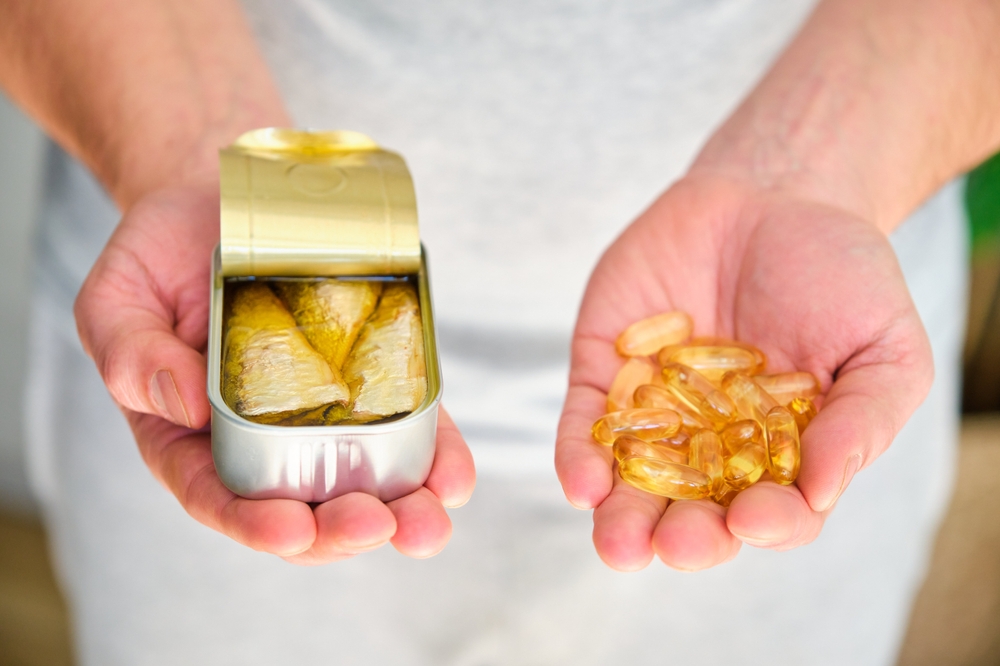

Understanding Omega-3 Fatty Acids: The Basics
Before diving into the anxiety research, it helps to understand what omega-3 fatty acids actually are and why they matter for your brain.
The Essential Fatty Acids Your Body Can’t Make
Omega-3s are called “essential” fatty acids because your body can’t produce them on its own—you have to get them from food or supplements. There are three main types:
- EPA (Eicosapentaenoic Acid): Primarily found in fish oil, known for anti-inflammatory effects
- DHA (Docosahexaenoic Acid): Also found in fish oil, crucial for brain structure and function
- ALA (Alpha-Linolenic Acid): Found in plant sources like flaxseeds and walnuts
Your body can convert small amounts of ALA into EPA and DHA, but this conversion is quite inefficient—only about 5-10% for EPA and even less for DHA (1).
Why Your Brain Needs Omega-3s
DHA makes up about 8% of your brain’s weight and is crucial for:
- Maintaining healthy brain cell membranes
- Supporting communication between brain cells
- Reducing inflammation in the brain
- Helping produce neurotransmitters like serotonin
EPA is more involved in:
- Reducing inflammation throughout the body and brain
- Supporting the production of mood-regulating chemicals
- Protecting against oxidative stress
The Modern Omega-3 Problem
One reason researchers became interested in omega-3s for mental health is because of dramatic changes in our modern diet.
The Omega Imbalance
Historically, humans consumed omega-3 and omega-6 fatty acids in roughly equal proportions. Today, the typical Western diet contains a ratio of about 1:15 to 1:20 omega-3 to omega-6 fatty acids—sometimes even higher (2).
Why This Matters for Anxiety
Omega-6 fatty acids, while essential in small amounts, can promote inflammation when consumed in excess. Since anxiety disorders often involve increased inflammation in the brain, this imbalance might contribute to anxiety symptoms.
Modern processed foods are loaded with omega-6-rich oils (corn, soybean, sunflower oil) while being low in omega-3s from fish, nuts, and seeds. This shift happened relatively recently in human history, and our bodies may not be well-adapted to handle such high omega-6 intake.
What the Research Really Shows About Omega-3s and Anxiety
The scientific evidence on omega-3s for anxiety is mixed, with some promising findings but also important limitations.
The Most Comprehensive Evidence
A major 2018 meta-analysis published in JAMA Network Open analyzed 19 clinical trials involving over 1,200 participants. The researchers found that omega-3 supplementation was associated with reduced anxiety symptoms, but with several important caveats (3):
Key Findings:
- Modest effect: The reduction in anxiety was statistically significant but relatively small
- Clinical populations benefit more: People with diagnosed anxiety disorders showed more improvement than healthy individuals
- Dose matters: Supplements containing at least 2,000 mg per day of omega-3s were more effective
- Quality of evidence: The overall quality of studies was moderate, meaning more research is needed
More Recent Research
A 2024 systematic review and meta-analysis looked specifically at dose-response relationships and found similar results (4):
- 2g daily dose: May provide moderate anxiety reduction
- Lower doses ineffective: Doses under 2g per day showed no significant benefit
- Safety profile: No increase in adverse events compared to placebo
However, another large review concluded that omega-3 supplementation “probably has little or no effect on anxiety symptoms in the general population” (5).
EPA vs. DHA: Which Matters More for Anxiety?
Interestingly, research suggests that for anxiety specifically, the ratio of EPA to DHA in supplements may matter.
EPA: The Anti-Inflammatory Player
EPA appears to be more important for mood regulation because it:
- Reduces inflammation more effectively than DHA
- Helps produce anti-inflammatory compounds in the brain
- May more directly influence neurotransmitter function
DHA: The Brain Structure Specialist
DHA is crucial for:
- Brain development and structure
- Maintaining healthy brain cell membranes
- Supporting cognitive function and memory
The Anxiety-Specific Finding
Some research suggests that supplements with higher DHA content (60% or more) may actually be more effective for anxiety, while EPA-dominant formulations seem better for depression (6). However, this finding needs more research to confirm.
Quick Self-Assessment: Could Omega-3s Be Worth Trying for Your Anxiety?
Consider these factors when thinking about omega-3 supplementation:
Your Current Diet:
- Do you eat fatty fish (salmon, sardines, mackerel) at least twice a week?
- Do you consume a lot of processed foods high in omega-6 oils?
- Are you vegetarian or vegan with limited omega-3 sources?
Your Anxiety Profile:
- Do you have a diagnosed anxiety disorder?
- Are you experiencing moderate to severe anxiety symptoms?
- Have you noticed connections between your diet and anxiety levels?
Your Treatment Goals:
- Are you looking for complementary support alongside other treatments?
- Are you interested in addressing potential nutritional factors?
- Do you prefer to try natural approaches when possible?
If you answered “yes” to several of these questions, omega-3 supplementation might be worth discussing with your healthcare provider.
Food Sources vs. Supplements: What’s Best?
The Best Food Sources
If you want to increase omega-3s through diet, focus on:
Cold-Water Fatty Fish (richest in EPA and DHA):
- Salmon: ~2g omega-3s per 3.5 oz serving
- Sardines: ~1.5g omega-3s per 3.5 oz serving
- Mackerel: ~2.5g omega-3s per 3.5 oz serving
- Herring: ~2g omega-3s per 3.5 oz serving
Other Sources:
- Fish roe and krill oil (highly bioavailable)
- Walnuts, flaxseeds, chia seeds (ALA, which converts poorly to EPA/DHA)
- Algae oil (good vegetarian/vegan option)
The Case for Food First
Getting omega-3s from whole foods provides:
- Better absorption and bioavailability
- Additional nutrients that support brain health
- Lower risk of contamination or rancidity
- More sustainable and cost-effective long-term
When Supplements Might Make Sense
Omega-3 supplements could be helpful if you:
- Don’t eat fish regularly
- Are vegetarian/vegan
- Have very high omega-3 needs
- Want a standardized, measured dose
Choosing Quality Omega-3 Supplements
If you decide to try omega-3 supplements for anxiety, quality matters significantly.
What to Look For:
Third-Party Testing
- Verified for purity and potency
- Tested for heavy metals, PCBs, and other contaminants
- Fresh (not rancid) oil
Appropriate Dosing
- At least 2,000 mg total omega-3s daily for anxiety
- Clear labeling of EPA and DHA content
- Consider DHA-dominant formulations for anxiety
Form and Absorption
- Triglyceride form is generally better absorbed than ethyl ester form
- Some people absorb better when taken with meals
- Enteric-coated capsules may reduce fishy burps
Sustainable Sourcing
- Look for certifications like MSC (Marine Stewardship Council)
- Consider algae-based options for environmental reasons
Special Considerations for Different Groups
Vegetarians and Vegans
Plant-based omega-3s from flaxseeds, chia seeds, and walnuts provide ALA, but conversion to EPA and DHA is very limited. Algae-based supplements are the best option for getting EPA and DHA without fish.
People Taking Medications
Omega-3s can interact with certain medications:
- Blood thinners: May increase bleeding risk
- Blood pressure medications: May enhance blood pressure-lowering effects
- Diabetes medications: May affect blood sugar control
Always consult your healthcare provider before starting supplements, especially if you take medications.
Pregnant and Breastfeeding Women
DHA is crucial for fetal brain development, but anxiety during pregnancy requires careful medical management. Don’t self-treat with supplements—work with your healthcare provider.
Realistic Expectations: What Omega-3s Can and Can’t Do
What Omega-3s Might Help With:
- Mild to moderate anxiety symptoms
- Inflammation-related aspects of anxiety
- Overall brain health and function
- Supporting other anxiety treatments
What Omega-3s Can’t Do:
- Replace evidence-based anxiety treatments like therapy or medications
- Cure anxiety disorders
- Work immediately (effects take weeks to months)
- Help everyone equally
The Bottom Line on Effectiveness: The research suggests omega-3s may provide modest anxiety reduction for some people, particularly those with diagnosed anxiety disorders taking adequate doses (2g+ daily). However, the effects are generally small and not everyone will benefit.
Integrating Omega-3s Into Your Anxiety Management Plan
If you’re considering omega-3s for anxiety, think of them as one potential piece of a comprehensive approach:
First-Line Treatments Remain Most Important:
- Cognitive Behavioral Therapy (CBT)
- Other evidence-based psychotherapies
- Medications when appropriate
- Stress management and lifestyle changes
Omega-3s as Complementary Support:
- May provide additional benefit alongside proven treatments
- Could help address nutritional factors contributing to anxiety
- Part of an overall anti-inflammatory lifestyle approach
Give It Time: If you try omega-3 supplementation, plan to take it consistently for at least 8-12 weeks to assess effectiveness. Changes in brain fatty acid composition take time.
Other Nutritional Factors for Anxiety
While considering omega-3s, don’t overlook other nutrition-related anxiety factors:
Blood Sugar Stability
- Eating regular, balanced meals
- Avoiding excessive caffeine and sugar
- Including protein and healthy fats with meals
Anti-Inflammatory Foods
- Colorful fruits and vegetables
- Whole grains and legumes
- Nuts, seeds, and healthy oils
Gut Health
- Probiotic and prebiotic foods
- Limiting processed foods
- Managing food sensitivities
The Verdict: A Modest Tool in Your Toolkit
Based on current research, omega-3 supplements may provide modest anxiety reduction for some people, particularly those with diagnosed anxiety disorders who take adequate doses consistently. However, they’re not a magic bullet and shouldn’t replace proven anxiety treatments.
Consider omega-3s if you:
- Have an anxiety disorder and are looking for complementary support
- Don’t eat much fish and may have low omega-3 levels
- Are interested in addressing potential nutritional factors
- Want to try a low-risk intervention alongside other treatments
Focus on proven treatments first:
- Work with a mental health professional
- Consider therapy and/or medication as recommended
- Address lifestyle factors like sleep, exercise, and stress management
- Then consider omega-3s as potential additional support
Remember, everyone’s biochemistry is different. What helps one person may not help another. The key is working with healthcare providers who can help you develop a comprehensive, individualized approach to managing your anxiety.
Ready to explore comprehensive approaches to anxiety treatment that may include nutritional support? www.drlewis.com
References:
(1) Calder PC. Docosahexaenoic Acid. Annals of Nutrition & Metabolism. 2016;69 Suppl 1:7-21. https://doi.org/10.1159/000448262
(2) Innes JK, Calder PC. The Differential Effects of Eicosapentaenoic Acid and Docosahexaenoic Acid on Cardiometabolic Risk Factors: A Systematic Review. International Journal of Molecular Sciences. 2018;19(2):E532. https://doi.org/10.3390/ijms19020532
(3) Su KP, Tseng PT, Lin PY, et al. Association of Use of Omega-3 Polyunsaturated Fatty Acids With Changes in Severity of Anxiety Symptoms: A Systematic Review and Meta-analysis. JAMA Network Open. 2018;1(5):e182327. https://doi.org/10.1001/jamanetworkopen.2018.2327
(4) Bafkar N, Zeraattalab-Motlagh S, Jayedi A, Shab-Bidar S. Efficacy and Safety of Omega-3 Fatty Acids Supplementation for Anxiety Symptoms: A Systematic Review and Dose-Response Meta-Analysis of Randomized Controlled Trials. BMC Psychiatry. 2024;24(1):455. https://doi.org/10.1186/s12888-024-05881-2
(5) Deane KHO, Jimoh OF, Biswas P, et al. Omega-3 and Polyunsaturated Fat for Prevention of Depression and Anxiety Symptoms: Systematic Review and Meta-Analysis of Randomised Trials. The British Journal of Psychiatry. 2021;218(3):135-142. https://doi.org/10.1192/bjp.2019.234
(6) Mason RP, Libby P, Bhatt DL. Emerging Mechanisms of Cardiovascular Protection for the Omega-3 Fatty Acid Eicosapentaenoic Acid. Arteriosclerosis, Thrombosis, and Vascular Biology. 2020;40(5):1135-1147. https://doi.org/10.1161/ATVBAHA.119.313286


A Message From Dr. Lewis If you’ve been struggling with depression or anxiety, I want you to know something important:

The Conversation That Surprised Me A few years ago, I had a patient named Greg who’d been on escitalopram (Lexapro)

The link between yoga and mental health has become sufficiently well established as to be practically mainstream. What was associated

You’re Not Meant to Go Through Life Alone In our increasingly connected yet often isolating world, you might sometimes feel