

The Mood-Food Clock: How Circadian Rhythms and Meal Timing Affect Your Mental Health

It’s not just what you eat—it’s when you eat that can make or break your mental health.
In modern life, most people eat around the clock. We snack late at night, skip breakfast, drink coffee first thing without food, or graze through a long workday. While common, this chaotic eating schedule conflicts with the body’s natural rhythms—and can subtly worsen mood, anxiety, fatigue, and brain fog.
Emerging research from nutritional psychiatry and circadian biology shows that timing your meals to align with your body clock can reduce inflammation, stabilize neurotransmitters, and improve your energy and emotional balance.
Let’s explore how this works—and how you can start using time, not just food, as a tool for mental wellness.
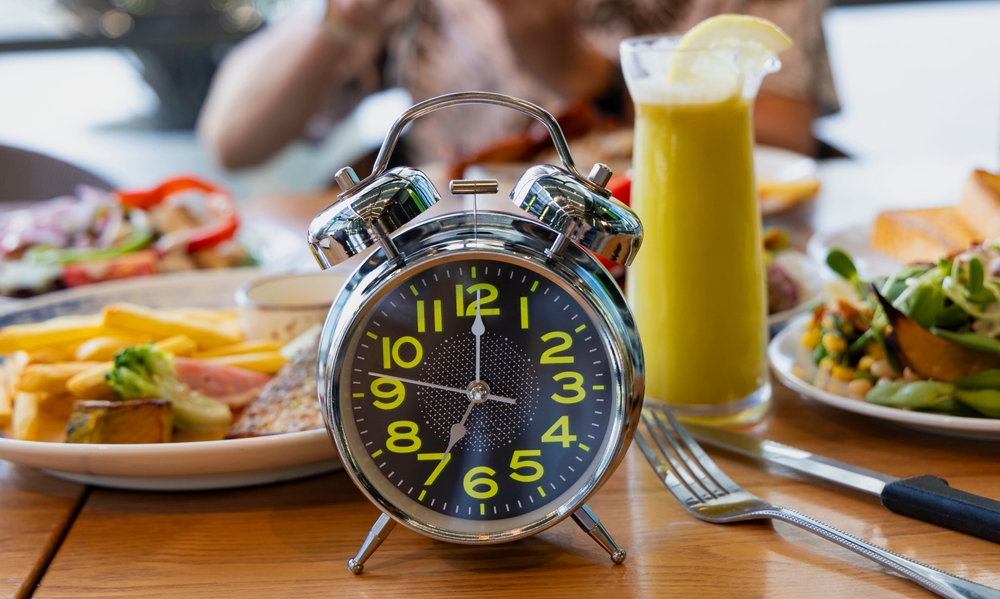

Your Body Runs on a Schedule—So Does Your Brain
Every cell in your body contains a biological clock. These internal rhythms—called circadian rhythms—are coordinated by your brain’s master clock, the suprachiasmatic nucleus. But it’s not just sleep that’s regulated this way. Everything from hormone release to gut microbiome activity follows these daily cycles.
When your eating patterns don’t match your biological rhythms, it can throw off your:
- Cortisol and melatonin cycles (linked to sleep and stress)
- Insulin sensitivity and glucose metabolism (linked to energy and mood)
- Gut microbiome diversity (linked to neurotransmitter production)
- Inflammatory markers (linked to depression and anxiety)
This is why shift work, jet lag, and late-night eating are all associated with higher rates of depression and metabolic syndrome.
Chrononutrition: The Science of Timing Your Meals for Mood
Chrononutrition is a growing field that explores how eating in sync with your body’s natural rhythms can influence physical and mental health.
Key principles include:
- Eat during daylight hours: Your metabolism is most active during the day and slows at night.
- Avoid eating late at night: Evening eating raises insulin and disrupts melatonin production, which can interfere with sleep and worsen inflammation.
- Front-load calories: Studies suggest that eating more in the morning and less at night improves insulin sensitivity, weight regulation, and mood stability【1】.
In one randomized trial, patients who shifted their eating window earlier in the day (e.g., 8 AM–4 PM) had better glucose control and reported lower depressive symptoms and fatigue than those eating later【2】.

Gut Microbes Are Timekeepers Too
Your gut microbiome also follows a circadian rhythm. Specific bacterial strains fluctuate in abundance throughout the day, influenced by meal timing, light exposure, and fasting periods.
Disrupted rhythms—such as snacking late or eating erratically—can cause microbial imbalances that increase intestinal permeability (“leaky gut”), disrupt neurotransmitter production, and elevate pro-inflammatory cytokines.
Time-restricted eating (TRE)—especially when aligned with morning hours—has been shown to:
- Restore microbiome rhythmicity
- Support short-chain fatty acid production
- Enhance gut barrier function
- Reduce endotoxemia (a known driver of mood symptoms)【3】
How to Align Your Eating with Your Mental Health
If you struggle with low mood, anxiety, sleep issues, or energy crashes, adjusting your eating schedule may help stabilize your system. Here’s how to start:
1. Anchor Your Day With Light and Food
Try to eat your first meal within 1–2 hours of waking, ideally after getting some morning sunlight. Light and food together help set your circadian rhythm.
2. Keep a Consistent Meal Schedule
Aim for 2–3 regular meals during a 10-hour window. For example, breakfast at 8 AM, lunch at 1 PM, and dinner by 6 PM.
3. Avoid Late-Night Eating
Stop eating at least 3 hours before bed. If you’re hungry late, opt for a small protein-based snack (not carbs) to minimize insulin disruption.
4. Consider “Early TRE” a Few Days a Week
Try eating between 8 AM and 4 PM on certain days. Many patients report better energy, clearer thinking, and deeper sleep after just a few weeks.
5. Track Your Mood and Sleep
Use a journal or app to note how you feel when you shift your timing. Pay attention to brain fog, irritability, and quality of sleep.
Our Approach: Personalized Timing for Personalized Psychiatry
In our clinic, we combine functional nutrition with psychiatric care to find each patient’s optimal timing strategy. Working with our in-house nutritionist, we tailor meal timing to support:
- Hormone balance (e.g., cortisol, insulin, melatonin)
- Gut health and digestion
- Brain neurotransmitters like serotonin and GABA
For many patients, adjusting when they eat is the missing piece in their mental health treatment.
Final Thoughts
Your mood isn’t just shaped by brain chemistry—it’s shaped by rhythm. Aligning your eating with your circadian biology can reduce stress on your system, improve energy, and support lasting emotional resilience.
If you’ve been focusing on what to eat but still feel off, it may be time to look at the clock.
References
- Jakubowicz, D. et al. (2013). High caloric intake at breakfast vs. dinner differentially influences weight loss of overweight and obese women. Obesity. https://doi.org/10.1002/oby.20460
- Sutton, E. F. et al. (2018). Early Time-Restricted Feeding Improves Insulin Sensitivity, Blood Pressure, and Oxidative Stress Even without Weight Loss in Men with Prediabetes. Cell Metabolism, 27(6), 1212–1221.e3. https://doi.org/10.1016/j.cmet.2018.04.010
- Zarrinpar, A., et al. (2014). Diet and feeding pattern affect the diurnal dynamics of the gut microbiome. Cell Metabolism, 20(6), 1006–1017. https://doi.org/10.1016/j.cmet.2014.11.008


A Message From Dr. Lewis If you’ve been struggling with depression or anxiety, I want you to know something important:

The Conversation That Surprised Me A few years ago, I had a patient named Greg who’d been on escitalopram (Lexapro)

The link between yoga and mental health has become sufficiently well established as to be practically mainstream. What was associated

You’re Not Meant to Go Through Life Alone In our increasingly connected yet often isolating world, you might sometimes feel