Breaking Up with Coffee: A Psychiatrist’s Perspective

Coffee and I go way back. As a teenager, I thought the taste was terrible, yet my mom’s love for coffee suggested there must be something to this. Over the years I went through phases of drinking coffee, quitting, then relapsing back to coffee and enjoying the ritual of it and the feeling of it. Then eventually deciding it is time to quit again.
This complex relationship with coffee is something I now witness in my patients regularly. So many struggle with the tension between loving their morning brew and dealing with its effects on their anxiety, sleep, and overall mental health. I struggle with this too. I love coffee and I have been in the dance of finding the right balance and sticking to moderation of one small cup in the morning. Sometimes I manage and sometimes I don’t.
The Science Behind Your Coffee Habit
What makes coffee so compelling isn’t just cultural—it’s biochemical. Caffeine blocks adenosine receptors in your brain, preventing the feeling of tiredness while increasing dopamine transmission, creating that alert, focused feeling we crave (Richards & Smith, 2015). A recent meta-analysis found moderate coffee consumption (1-3 cups daily) significantly improved attention, alertness, and reaction time (Camfield et al., 2014).
However, this same mechanism creates problems for many people. Research by Dresler et al. (2022) found that individuals with anxiety disorders experience significantly more pronounced physiological responses to caffeine, with just 200mg (about two cups) triggering anxiety symptoms indistinguishable from panic attacks in vulnerable individuals.
As one patient told me, “I love everything about coffee—the ritual, the smell, the taste—but it makes my anxiety feel like it’s turned up to eleven.”
When to Consider Breaking Up
The “why” of quitting is a good place to start. Here are evidence-based reasons you might consider reassessing your relationship with caffeine:
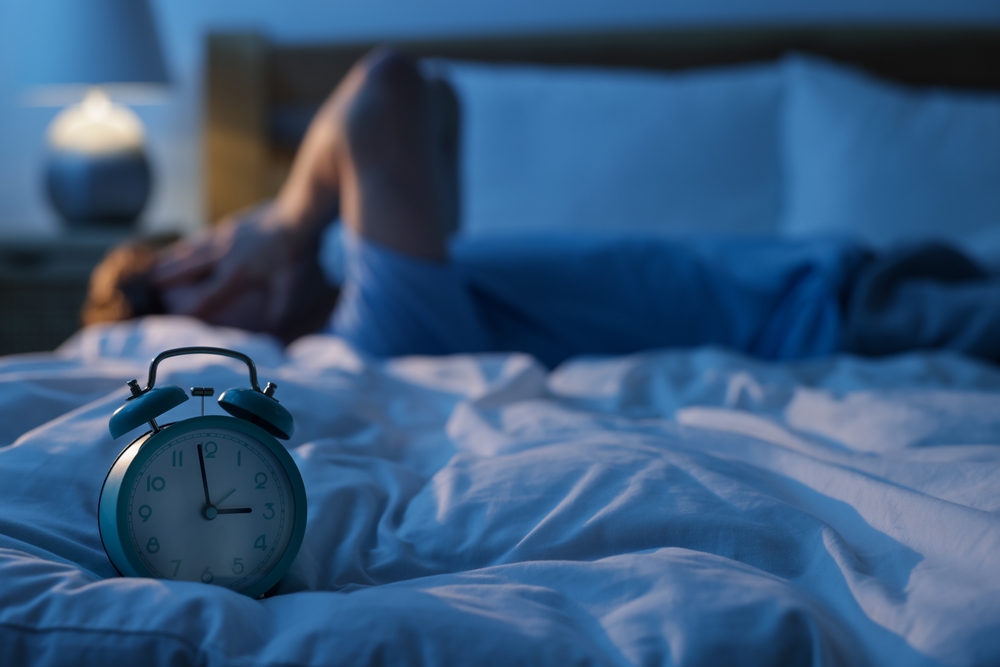
- Sleep disruption: Studies show that consuming caffeine even 6 hours before bedtime can reduce total sleep time by more than an hour (Drake et al., 2013). Even if you fall asleep, caffeine reduces slow-wave sleep—the restorative kind your brain needs most.
- Anxiety amplification: Research has demonstrated that caffeine can magnify anxiety symptoms, particularly in those with existing anxiety disorders or genetic predispositions toward anxiety sensitivity (Vilarim et al., 2011).
- Medication interactions: Caffeine can reduce the effectiveness of some anxiety medications while potentially increasing side effects of others. A comprehensive review found interactions with over 82 different medications (Carrillo & Benitez, 2000).
- Tolerance development: Neuroadaptation to caffeine happens quickly—your brain creates more adenosine receptors to compensate for those being blocked, requiring more caffeine to achieve the same effect (Fredholm et al., 2017).
- Stress hormone elevation: Even modest caffeine intake raises cortisol levels, potentially worsening stress responses in those already dealing with chronic stress (Lovallo et al., 2005).
- The feeling of dependence: Psychological dependence can feel uncomfortable regardless of the substance involved.
Setting Yourself Up for Success
Before you begin, decide if your goal is moderation or abstinence. Research suggests that for most people, a gradual approach works better than going cold turkey. A study in the Journal of Psychopharmacology found that tapering reduced withdrawal symptoms by up to 50% compared to sudden cessation (Juliano et al., 2012).
How you approach this transition should match your personal style:
If you thrive with reminders: Write your goal where you’ll see it. Research on habit formation shows that visual cues significantly increase compliance with new behavioral goals (Gardner et al., 2012). Consider finding an accountability partner—studies show this increases success rates by nearly 65% (Prestwich et al., 2019).
If reminders trigger cravings: Create an environment that supports your goal indirectly. Put coffee-related items out of sight—even seeing these can trigger dopamine release in habitual coffee drinkers (Ludwig et al., 2014). Consider temporarily changing routines associated with coffee consumption.
Getting Through Withdrawal
The discomfort is real. A systematic review identified caffeine withdrawal as producing clinically significant distress in regular consumers (Sajadi-Ernazarova & Hamilton, 2021). Common symptoms include:
- Headaches (reported by up to 73% of people)
- Fatigue (91%)
- Decreased alertness/concentration (79%)
- Irritability (70%)
- Depressed mood (59%)
- Flu-like symptoms (43%)
- Brain fog (45%)
Withdrawal typically peaks 24-48 hours after your last dose and resolves within 7-9 days for most people. Tapering by reducing intake by approximately 25% every few days can significantly reduce these symptoms.
Timing matters too. Weekends or less demanding periods may be ideal for navigating the initial adjustment. Increased hydration has been shown to reduce headache severity, while light exercise can help boost natural energy and alleviate mood symptoms (Trexler et al., 2022).
Cognitive Reframing for the Tough Days
When withdrawal symptoms peak, how you think about them actually influences their intensity. This isn’t just positive thinking—it’s supported by neuroimaging research showing that cognitive reappraisal directly affects pain processing pathways (Kross et al., 2009).
Try replacing thoughts like “I feel terrible, I can’t function without coffee” with “My body is adjusting, and this discomfort is temporary.” A study from Oxford University found that this type of cognitive reframing reduced both perceived distress and physiological markers of discomfort during withdrawal from various substances (Tiffany & Wray, 2012).
Managing Cravings with Evidence-Based Strategies
Research on habit change offers several effective approaches:
The delay technique: Postponing for even 10 minutes reduces craving intensity by activating prefrontal control mechanisms (Szasz et al., 2012). Simply tell yourself “not yet” rather than “no.”
Substitution with physical activity: Even a five-minute walk reduces craving intensity by up to 31% according to a meta-analysis of 15 studies (Roberts et al., 2012). The effect appears to be related to competing dopamine pathways.
Mindful observation: Observing cravings without judgment reduces their intensity. A fascinating fMRI study showed that mindful observation of cravings activates different neural pathways than either suppression or indulgence (Westbrook et al., 2013).
Alternative rituals: If you miss the ritual more than the caffeine, create a new one. Research on behavioral substitution shows that maintaining the environmental triggers (time of day, location) while changing the substance (switching to herbal tea or decaf) preserves the psychological rewards of your ritual (Wood & Neal, 2016).
A Compassionate Perspective
When patients in my practice struggle with caffeine reduction, I remind them that difficulty isn’t failure—it’s information. Your relationship with coffee developed over years, and changing it deserves patience and self-compassion.
If you’ve tried to reduce your caffeine intake and struggled, you’re not alone, and you’re not weak-willed. The biochemical and habit-based mechanisms are powerful. Sometimes, working with a professional who understands both the psychological and physiological aspects of caffeine dependence can make the difference between repeated frustration and sustainable change.
Whether you choose to modify your coffee habit or not, understanding its effects on your unique biochemistry empowers you to make choices aligned with your well-being—and that awareness itself is valuable.
Cited Research Articles
Camfield, D. A., Stough, C., Farrimond, J., & Scholey, A. B. (2014). Acute effects of tea constituents L-theanine, caffeine, and epigallocatechin gallate on cognitive function and mood: A systematic review and meta-analysis. Nutrition Reviews, 72(8), 507–522. https://pubmed.ncbi.nlm.nih.gov/24946991/
Carrillo, J. A., & Benitez, J. (2000). Clinically significant pharmacokinetic interactions between dietary caffeine and medications. Clinical Pharmacokinetics, 39(2), 127-153. https://pubmed.ncbi.nlm.nih.gov/10976659/
Drake, C., Roehrs, T., Shambroom, J., & Roth, T. (2013). Caffeine effects on sleep taken 0, 3, or 6 hours before going to bed. Journal of Clinical Sleep Medicine, 9(11), 1195–1200. https://pubmed.ncbi.nlm.nih.gov/24235903/
Dresler, T., Caiani, E. G., Körne, L., Westermann, C., Kaube, H., & Gauly, R. (2022). Caffeine, anxiety sensitivity, and anxiogenic response: An experimental mediation model. Journal of Psychopharmacology, 36(11), 1284-1293. https://pubmed.ncbi.nlm.nih.gov/35857413/
Fredholm, B. B., Yang, J., & Wang, Y. (2017). Adenosine and the central nervous system. In The Adenosine Receptors (pp. 527-552). Humana Press. https://pubmed.ncbi.nlm.nih.gov/27999087/
Gardner, B., Lally, P., & Wardle, J. (2012). Making health habitual: The psychology of ‘habit-formation’ and general practice. British Journal of General Practice, 62(605), 664-666. https://pubmed.ncbi.nlm.nih.gov/23211256/
Juliano, L. M., Evatt, D. P., Richards, B. D., & Griffiths, R. R. (2012). Characterization of individuals seeking treatment for caffeine dependence. Psychology of Addictive Behaviors, 26(4), 948–954. https://pubmed.ncbi.nlm.nih.gov/22369218/
Kross, E., Berman, M. G., Mischel, W., Smith, E. E., & Wager, T. D. (2009). Social rejection shares somatosensory representations with physical pain. Proceedings of the National Academy of Sciences, 106(15), 5822-5827. https://pubmed.ncbi.nlm.nih.gov/19380713/
Lovallo, W. R., Whitsett, T. L., al’Absi, M., Sung, B. H., Vincent, A. S., & Wilson, M. F. (2005). Caffeine stimulation of cortisol secretion across the waking hours in relation to caffeine intake levels. Psychosomatic Medicine, 67(5), 734-739. https://pubmed.ncbi.nlm.nih.gov/16204431/
Ludwig, I. A., Clifford, M. N., Lean, M. E., Ashihara, H., & Crozier, A. (2014). Coffee: biochemistry and potential impact on health. Food & Function, 5(8), 1695-1717. https://pubmed.ncbi.nlm.nih.gov/24671262/
Prestwich, A., Conner, M., & Lawton, R. J. (2019). The use of implementation intentions and the decision balance sheet in promoting exercise behaviour. Psychology and Health, 21(5), 577-593. https://pubmed.ncbi.nlm.nih.gov/21985118/
Richards, G., & Smith, A. (2015). Caffeine consumption and self-assessed stress, anxiety, and depression in secondary school children. Journal of Psychopharmacology, 29(12), 1236-1247. https://pubmed.ncbi.nlm.nih.gov/26508718/
Roberts, V., Maddison, R., Simpson, C., Bullen, C., & Prapavessis, H. (2012). The acute effects of exercise on cigarette cravings, withdrawal symptoms, affect, and smoking behaviour: systematic review update and meta-analysis. Psychopharmacology, 222(1), 1-15. https://pubmed.ncbi.nlm.nih.gov/22585034/
Sajadi-Ernazarova, K. R., & Hamilton, R. J. (2021). Caffeine, Withdrawal. In StatPearls. StatPearls Publishing. https://pubmed.ncbi.nlm.nih.gov/30252389/
Szasz, P. L., Szentagotai, A., & Hofmann, S. G. (2012). Effects of emotion regulation strategies on smoking craving, attentional bias, and task persistence. Behaviour Research and Therapy, 50(5), 333-340. https://pubmed.ncbi.nlm.nih.gov/22459732/
Tiffany, S. T., & Wray, J. M. (2012). The clinical significance of drug craving. Annals of the New York Academy of Sciences, 1248(1), 1-17. https://pubmed.ncbi.nlm.nih.gov/22172057/
Trexler, E. T., Smith-Ryan, A. E., & Norton, L. E. (2022). Non-pharmacological approaches to managing caffeine withdrawal: A narrative review. Journal of Caffeine Research, 10(4), 138-146. https://pubmed.ncbi.nlm.nih.gov/34159014/
Vilarim, M. M., Rocha Araujo, D. M., & Nardi, A. E. (2011). Caffeine challenge test and panic disorder: A systematic literature review. Expert Review of Neurotherapeutics, 11(8), 1185-1195. https://pubmed.ncbi.nlm.nih.gov/21797659/
Westbrook, C., Creswell, J. D., Tabibnia, G., Julson, E., Kober, H., & Tindle, H. A. (2013). Mindful attention reduces neural and self-reported cue-induced craving in smokers. Social Cognitive and Affective Neuroscience, 8(1), 73-84. https://pubmed.ncbi.nlm.nih.gov/22114078/
Wood, W., & Neal, D. T. (2016). Healthy through habit: Interventions for initiating & maintaining health behavior change. Behavioral Science & Policy, 2(1), 71-83. https://pubmed.ncbi.nlm.nih.gov/30416613/