The Inflammation-Depression Connection: Why Your Immune System Affects Your Mood

If you’ve ever felt “off” during a cold or more irritable when your body’s run down, you’re not imagining things. The connection between the immune system and mood is real—and increasingly, science is uncovering just how deeply inflammation affects the brain.
In fact, many cases of anxiety, depression, and brain fog may be less about “chemical imbalance” and more about inflammatory imbalance.
So, how does inflammation get into your brain—and more importantly, what can you do about it?
Let’s unpack the science and walk through practical steps you can take.

Inflammation Isn’t Just About Injuries—It’s Also in Your Brain
Inflammation is your body’s natural defense mechanism. When you get a cut, catch a virus, or face a threat, your immune system sends out messengers called cytokines to help fight it off.
But when inflammation becomes chronic, it starts causing more harm than help. And one of the places it can cause the most disruption is your brain.
Studies show that people with depression often have higher levels of inflammatory markers like C-reactive protein (CRP), interleukin-6 (IL-6), and tumor necrosis factor-alpha (TNF-α)【1】. Elevated CRP, in particular, has been repeatedly linked to greater risk and severity of major depressive disorder【2】.
How Inflammation Disrupts Your Mood
So how does inflammation affect your brain?
Here are the key pathways:
- Tryptophan Hijacking: Inflammatory cytokines divert tryptophan (the amino acid used to make serotonin) down the kynurenine pathway, leading to toxic byproducts that may worsen mood and cognition【3】.
- Neurotransmitter Disruption: Inflammation affects dopamine, serotonin, and glutamate signaling—all critical to mood and motivation.
- Neuroinflammation: Activated immune cells in the brain (microglia) can disrupt neural circuits involved in mood regulation.
- Leaky Gut: When the gut barrier breaks down, bacterial toxins like lipopolysaccharide (LPS) can enter the bloodstream and trigger systemic inflammation, which has been tied to anxiety and depression【4】.
You Can’t Feel Inflammation—But You Can Measure It
You won’t always feel inflamed. But lab tests can help reveal what’s going on behind the scenes. At our clinic, we often use:
- High-sensitivity CRP (hs-CRP) – A marker of low-grade inflammation linked to depression
- Homocysteine – An inflammatory amino acid that can indicate methylation or B-vitamin issues
- Zonulin or LPS – To assess intestinal permeability (aka “leaky gut”)
- Cytokine panels – For deeper inflammatory profiling in complex cases
These aren’t run-of-the-mill labs in most psychiatry practices. But they’re core to how we approach functional psychiatry—getting to the root cause.
The Anti-Inflammatory Lifestyle for Mental Health
This isn’t about cutting out every food group or chasing perfection. But small, strategic changes can dramatically reduce brain inflammation—and improve how you feel.
1. Eat to Calm Inflammation
Focus on whole, anti-inflammatory foods:
- Omega-3 fats from fatty fish, walnuts, flax
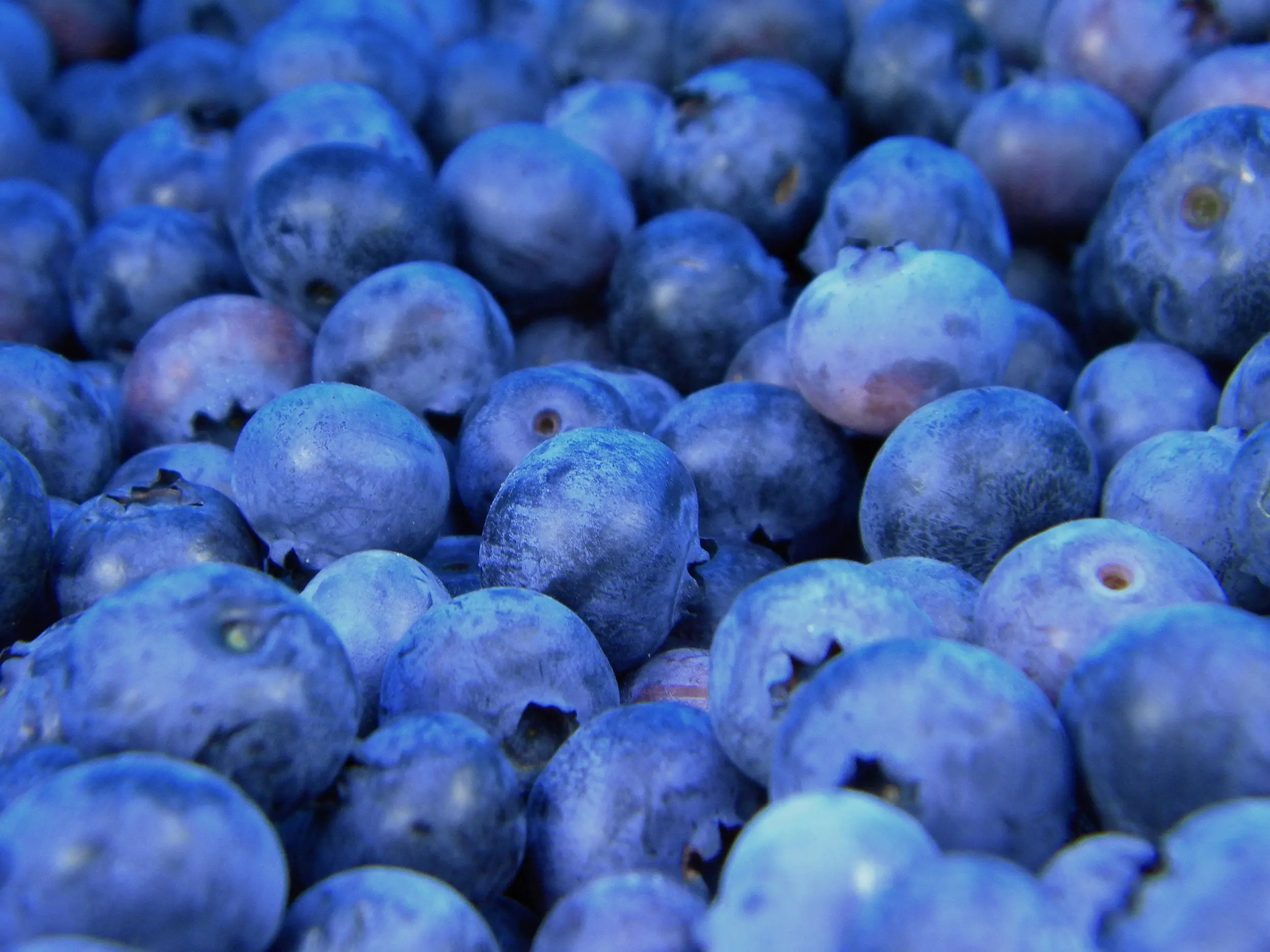
- Bright vegetables and polyphenol-rich berries
- Spices like turmeric and ginger
- Fermented foods (kefir, sauerkraut) to support gut health
Avoid ultra-processed foods, excess sugar, and seed oils, which drive inflammatory responses.
2. Balance Blood Sugar
Spikes and crashes in blood sugar can trigger inflammatory responses. Steady meals with protein, fat, and fiber help calm this rollercoaster. (See Blog #1 for more on this.)
3. Heal the Gut
If you’re dealing with bloating, IBS, food sensitivities, or antibiotic overuse, gut support is essential. We often recommend:
- Targeted probiotics and prebiotics
- Short-term elimination diets to identify food triggers
- Gut testing to assess microbiome composition and barrier integrity
4. Sleep and Light
Poor sleep raises inflammatory markers—while good sleep lowers them. Get 7–9 hours and aim for morning light exposure to support cortisol rhythms.
5. Consider Key Supplements
With lab guidance, we sometimes use:
- Omega-3 fatty acids (especially EPA-dominant)
- Curcumin, the active compound in turmeric
- Magnesium, which regulates inflammation and calms the nervous system
- N-acetylcysteine (NAC), which supports glutathione and detoxification

Case Example: Sofia’s Journey
Sofia came to us feeling “inflamed from the inside out.” Her joints ached, her mind was foggy, and her mood was low. Antidepressants had helped somewhat, but not fully.
Lab testing revealed elevated CRP, leaky gut markers, and insulin resistance. We started her on a tailored anti-inflammatory nutrition plan, introduced gut-healing protocols with our nutritionist, and worked gently on intermittent fasting.
Within eight weeks, Sofia’s pain had lessened, her sleep improved, and she said, “I feel like I’ve come back online.”
Bottom Line
Inflammation is a major driver of mental health symptoms—but it’s also treatable. If you’ve been struggling with anxiety or depression that hasn’t responded to traditional approaches, it may be time to look deeper.
We use advanced lab testing, nutrition therapy, and functional medicine tools to help you uncover and address the root causes of inflammation—so you can feel like yourself again.
Want help calming the fire in your brain?
Book a consultation with our clinic to explore personalized anti-inflammatory support for your mood, brain, and whole-body health.
References:
- Miller, A. H., et al. (2009). Inflammation and its discontents: The role of cytokines in the pathophysiology of major depression. Biological Psychiatry, 65(9), 732–741. https://doi.org/10.1016/j.biopsych.2008.11.029
- Valkanova, V., et al. (2013). C-reactive protein, IL-6 and depression: A systematic review and meta-analysis of longitudinal studies. J Affect Disord, 150(3), 736–744. https://doi.org/10.1016/j.jad.2013.06.004
- Maes, M., et al. (2011). The new ‘5-HT’ hypothesis of depression: Cell-mediated immune activation induces indoleamine 2,3-dioxygenase and lowers plasma tryptophan leading to depressive symptoms. Progress in Neuro-Psychopharmacology & Biological Psychiatry, 35(3), 702–721. https://doi.org/10.1016/j.pnpbp.2010.12.017
Kelly, J. R., et al. (2015). Breaking down the barriers: the gut microbiome, intestinal permeability and stress-related psychiatric disorders. Frontiers in Cellular Neuroscience, 9:392. https://doi.org/10.3389/fncel.2015.00392