
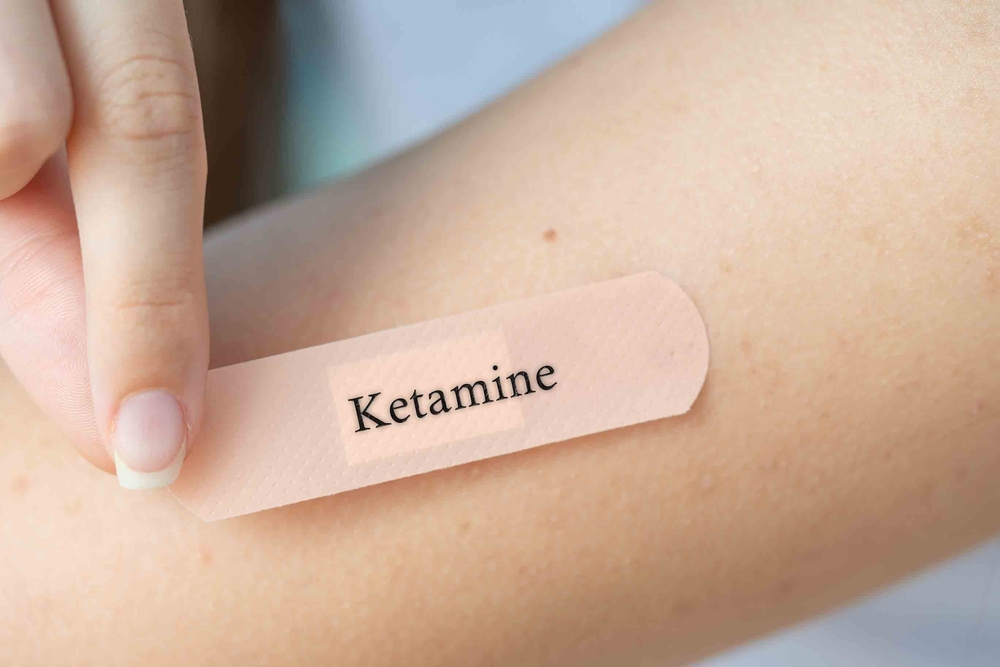
The Role of Ketamine in Modern Psychiatry

For people living with depression, anxiety, or trauma, finding relief can feel like an uphill climb—especially when conventional treatments haven’t worked. Ketamine-based treatments have become an important option in modern psychiatry for some people whose depression has not responded to other treatments.
At our practice, ketamine treatment isn’t approached as a quick fix. It’s part of a comprehensive, science-based plan that looks at the whole picture—your brain chemistry, your body, and your life. By pairing ketamine’s rapid neurological effects with functional medicine, nutrition, and integrative psychiatry, Dr. Beata Lewis helps patients achieve meaningful, lasting change.
Drawing on many years of clinical experience and medical research, Dr. Lewis considers ketamine-based treatment carefully, mainly for treatment-resistant depression. Esketamine (Spravato) is FDA-approved for depression; racemic ketamine for depression, PTSD or anxiety is off-label. Every session is monitored, personalized, and supported by ongoing follow-up care.
A New Frontier in Mental Health Treatment
Modern psychiatry is experiencing a profound evolution. For decades, the primary tools for treating depression and anxiety were medications that focused on neurotransmitters like serotonin. While helpful for many, these treatments can take weeks to work and are often ineffective for a significant portion of patients, leading to a frustrating cycle of trial and error. The rise of modern psychiatry with ketamine marks a significant shift away from this model and toward a new paradigm of healing.
Ketamine offers a fundamentally different approach. Research suggests it can promote neuroplasticity—the brain’s capacity to form new connections. Studies in animals and early human research suggest it may help restore connections affected by chronic stress and depression, although how this translates into long-term benefit is still being studied. This has made it an active area of psychiatric research.
What Makes Ketamine Different from Traditional Treatments
The most remarkable aspect of ketamine is its speed. For patients who have languished for years with treatment-resistant depression, feeling little to no benefit from multiple SSRIs or extensive talk therapy, ketamine can offer relief within hours or days, not weeks or months. This rapid effect matters for people in acute distress, but ketamine is not a substitute for emergency care.
Beyond its speed, ketamine facilitates a different kind of psychological healing. The experience can create a temporary window of emotional flexibility, allowing individuals to step outside of rigid, negative thought patterns and see their problems from a new perspective. This mental space can be incredibly valuable for processing trauma and building psychological resilience in a way that feels less threatening and more accessible.
How Ketamine Therapy Works in the Brain
To understand the power of ketamine therapy, it’s helpful to understand its unique action in the brain. Unlike traditional antidepressants that primarily target serotonin or norepinephrine, ketamine works on a different and more fundamental system: glutamate. Glutamate is the most abundant excitatory neurotransmitter in your brain, playing a crucial role in everything from mood and cognition to learning and memory.
In conditions like chronic depression and PTSD, it’s believed that the communication pathways regulated by glutamate become damaged or weakened. Ketamine works by blocking a specific receptor in this system (the NMDA receptor), which triggers a cascade of downstream effects. This process leads to a rapid increase in glutamate activity and, most importantly, promotes the growth of new synapses—the connections between brain cells. This process of synaptic repair is the physical basis of neuroplasticity and is central to the ketamine brain connection. These changes are thought to help explain its antidepressant effect; its effects on trauma responses are still being studied. Our ketamine therapy in Brooklyn is grounded in this current, still-developing scientific understanding.
The Science of Rapid Relief
The rapid relief seen with ketamine is thought to reflect this neurobiological action. Studies have found that ketamine can improve mood and reduce suicidal thoughts within about 24 hours in some patients, although the effect of a single dose usually fades within days to weeks. If you are having thoughts of suicide or are in danger, call or text 988 or call 911 now. Researchers believe the effect involves brain regions involved in mood regulation, such as the prefrontal cortex.
However, this initial rapid response is just the beginning. The new connections formed by ketamine are initially fragile. To make these changes last, ongoing integration and support are essential. The window of increased neuroplasticity created by ketamine is an opportunity to solidify new, healthier patterns of thinking and behaving. This is why a comprehensive treatment model that includes therapy and lifestyle support is crucial for achieving lasting results.
Conditions That Benefit from Ketamine Therapy
Ketamine has been studied for several mental health conditions, with the strongest evidence in depression that has not responded to other treatments.
- Treatment-Resistant Depression (TRD): This is where the evidence is strongest. Spravato (esketamine nasal spray) is FDA-approved for adults with treatment-resistant depression, with an oral antidepressant or, since January 2025, on its own, and, with an oral antidepressant, for depressive symptoms in adults with major depression and acute suicidal thoughts or behavior. Racemic ketamine (Ketalar) is FDA-approved only as an anesthetic, so its use for depression is off-label.
- Post-Traumatic Stress Disorder (PTSD): Research on ketamine for PTSD is early and mixed, and this use is off-label. Some people report feeling more distance from traumatic memories during treatment, which may support trauma-focused therapy. Our approach to PTSD ketamine treatment in Brooklyn is always paired with therapeutic support.
- Severe Anxiety: For some forms of severe, treatment-resistant anxiety, research on ketamine is limited and this use is off-label. Where it is considered, it is combined with therapies like CBT and DBT as one part of a comprehensive anxiety treatment plan.
- Chronic Fatigue and Burnout: Ketamine is not an established treatment for fatigue or burnout, and there is little research on this use. When exhaustion comes with depression, treating the depression is the focus.
This is why ketamine, when it is used, is one part of our comprehensive mental health treatment in Brooklyn.
Personalized Assessment Before Treatment
Ketamine therapy is a powerful intervention, and it is not right for everyone. A thorough and personalized assessment is the critical first step to ensure the treatment is both safe and appropriate for you. Before recommending ketamine, Dr. Lewis conducts a comprehensive evaluation that looks at your emotional, medical, and biochemical history.
This includes a detailed psychiatric assessment, a review of your physical health (including cardiovascular health), and an understanding of any other medications or supplements you are taking. This careful, medically supervised process ensures that ketamine is aligned with your overall health and integrated thoughtfully into your broader care plan.
Integrating Ketamine with Functional and Nutritional Psychiatry
At our practice, we believe that ketamine therapy is most powerful when it is not viewed as a standalone fix. It is a catalyst for change, and we believe it works best when it is integrated into a larger plan of care. This is the core of our functional psychiatry ketamine approach.
We recognize that your brain does not exist in isolation. Your mood and mental resilience are deeply connected to your gut health, your hormone balance, your nutrient status, and your level of inflammation. Functional medicine helps us identify and address these underlying biological factors that may be contributing to your mental health struggles. By combining ketamine with lab testing, nutritional optimization, and lifestyle changes, we create a truly holistic ketamine therapy plan that supports healing from every angle. This integrative model is central to how our practice works.
The BLISS Protocol: A Comprehensive Model for Recovery
Our signature program, The BLISS Protocol, provides the framework for this integrated approach, combining treatments like ketamine therapy with root-cause medicine.
Within the BLISS Protocol, a patient might receive ketamine to create a window of neuroplasticity and provide initial relief from severe depression. Simultaneously, we use insights from lab testing in integrative psychiatry to create a personalized nutrition plan, with any supplement checked against your medications. The aim is to support lasting improvement, not just temporary relief.
Safety, Monitoring, and Evidence-Based Use
With the growing interest in ketamine, it is more important than ever to emphasize the principles of safety, medical supervision, and evidence-based use. Ketamine is a potent medical treatment with real risks: it can raise blood pressure and cause dissociation and sedation; it is a Schedule III drug with potential for misuse; heavy long-term use can cause bladder problems; and its long-term psychiatric safety is not established. Spravato carries boxed warnings for sedation, dissociation, respiratory depression, abuse and misuse, and suicidal thoughts in young people. Under its REMS program it is self-administered in a certified healthcare setting with at least 2 hours of monitoring, and never at home. The FDA warned in October 2023 about compounded ketamine used at home without monitoring.
Dr. Beata Lewis is a Harvard-trained, board-certified psychiatrist with many years of experience. Our protocols for ketamine treatment follow current evidence and safety requirements. Your clinician will explain which options are appropriate and where treatment takes place, and every session includes monitoring of your vital signs and mental state appropriate to the treatment. There is a profound difference between clinical, medically supervised ketamine therapy and unsupervised or recreational use. We are committed to providing ketamine treatment monitoring that ensures both your physical and psychological well-being throughout the entire process.
Integrative Follow-Up for Lasting Stability
The work does not end when the ketamine session is over. In fact, the post-session integration period is one of the most critical phases of treatment. This is the time to capitalize on the brain’s heightened state of neuroplasticity.
Our integrative follow-up care is designed to help you solidify the gains made during treatment and build a foundation for lasting stability. This may include therapy to process insights from your sessions, mindfulness practices to strengthen new neural pathways, or nutritional strategies to continue supporting brain health. By combining ketamine with the practical tools of building stress resilience with lifestyle psychiatry, we help you maintain your progress long after the acute effects of the medication have worn off.
What Real Progress Looks Like
Real progress with ketamine therapy goes far beyond a temporary lift in mood. Within a structured, integrative care plan, some patients experience meaningful improvement across several areas of life. The initial improvement in mood and motivation provides the foothold needed to re-engage with life. With this newfound energy, you can begin to implement the lifestyle changes and therapeutic skills that build long-term wellness.
We see patients who, after years of being stuck, are finally able to find joy in their relationships, purpose in their work, and a sense of hope for the future. The ketamine therapy outcomes we witness in our practice are a testament to what is possible when you turn temporary relief into a catalyst for deep, sustainable healing. This is the goal of our holistic mental health care: not just to help you feel better, but to help you build a better life.
Beyond Symptom Relief: Rebuilding a Foundation for Resilience
It is crucial to view ketamine as a powerful catalyst, not a magic cure. It opens a door to healing, but you still have to walk through it. Its role is to break the cycle of severe symptoms and create the neurobiological conditions that make other healing modalities more effective. The ultimate goal is to use the opportunity it provides to rebuild a strong foundation of emotional resilience, so you are better equipped to navigate life’s challenges long after your treatment is complete.
Start Your Journey Toward Clarity and Balance
If you’re struggling with depression, trauma, or emotional burnout and feel like you have run out of options, ketamine therapy may offer a new and hopeful path forward. With careful screening and monitoring, it can be a helpful option for some people.
You don’t have to continue to suffer. A different future is possible.
Book your consultation to explore whether ketamine-based treatment is appropriate for you with Dr. Beata Lewis. Your clinician will explain which options are appropriate and where treatment takes place.
The information provided on this blog is for educational and informational purposes only. It is not intended to be a substitute for professional medical advice, diagnosis, or treatment. Always seek the advice of your physician or other qualified health provider with any questions you may have regarding a medical condition.

A Message From Dr. Lewis If you’ve been struggling with depression or anxiety, I want you to know something important:

The Conversation That Surprised Me A few years ago, I had a patient named Greg who’d been on escitalopram (Lexapro)


You’re Not Meant to Go Through Life Alone In our increasingly connected yet often isolating world, you might sometimes feel