online mental health care

When Your Mind Won’t Stop Racing

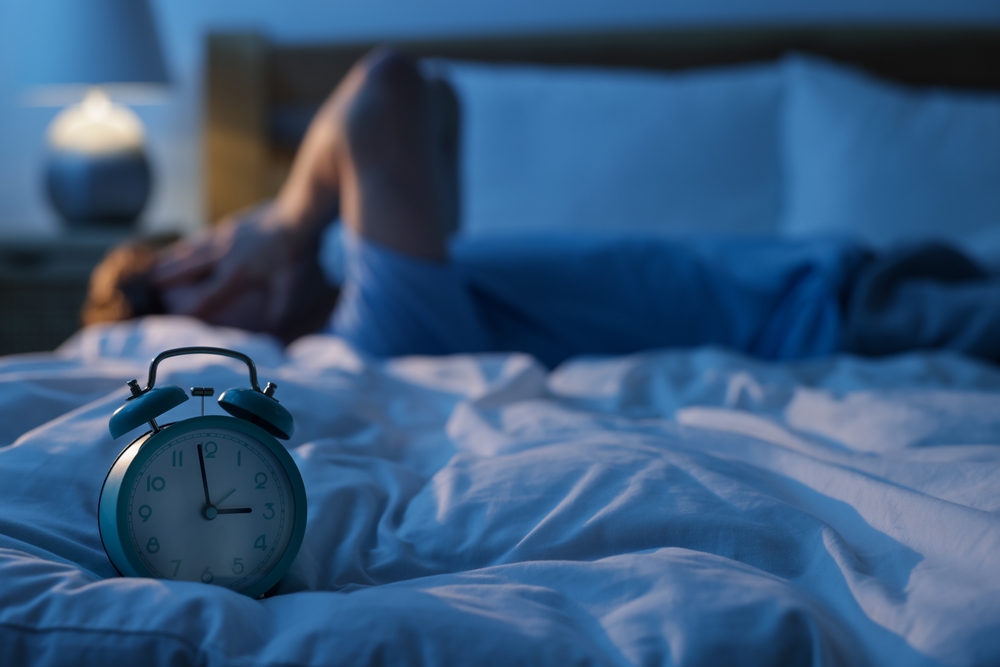
Most of us have had nights when the mind won’t slow down. You think about tomorrow’s responsibilities, replay yesterday’s conversations, and feel your heart speeding up for no clear reason. Your shoulders tighten, your chest feels heavy, and your thoughts loop in circles.

If this sounds familiar, you’re in good company. Anxiety is extremely common, and while therapy and medication can be incredibly helpful, they don’t help everyone in the same way. Some people struggle with side effects. Others simply don’t get enough relief.

Traditional Chinese Medicine (TCM) offers a different approach. Instead of focusing only on brain chemistry or thoughts, it looks at the whole body — physical, emotional, and energetic — and how everything connects.

Let’s break down how this ancient system can help anxiety in a clear, simple way.

A Different Way to Understand Anxiety

In Western medicine, anxiety is often explained through:

  • Brain chemistry (like serotonin or GABA levels)

  • Thought patterns and learned responses

  • Stress physiology

In TCM, anxiety is seen as a disturbance of the Shen — the mind or spirit — that happens when the body’s systems fall out of balance.

TCM identifies specific patterns that can create anxiety. Understanding your pattern helps guide treatment.

Common TCM Patterns Linked to Anxiety

1. Liver Qi Stagnation

Often connected to stress, frustration, or emotional suppression.

Typical signs:

  • Feeling tense or “wound tight”

  • Irritability or sudden mood swings

  • Shoulder and neck tension

  • Digestive issues that flare with stress

2. Heart–Spleen Deficiency

Common in people who overthink, worry constantly, or feel emotionally drained.

Signs may include:

  • Racing thoughts

  • Trouble concentrating

  • Fatigue with restlessness

  • Poor appetite or digestive discomfort

3. Internal Heat / Yin Deficiency

Seen in people who feel “burned out,” wired, or depleted.

Possible symptoms:

  • Warm or restless at night

  • Night sweats

  • Trouble sleeping

  • Dry mouth or skin

  • Anxiety that worsens in the evening

A simple way to think about it:
These patterns are like different types of car trouble. One person’s “engine issue” isn’t the same as someone else’s “battery issue.” The symptoms overlap, but the causes — and the treatments — differ.

How TCM Treats Anxiety

People usually think of acupuncture first, but TCM uses several tools. Treatment is often a combination of approaches, depending on your pattern.

Acupuncture: Calming the Nervous System

Acupuncture has been studied extensively, and the research is growing.

Modern science shows acupuncture can:

  • Activate the parasympathetic nervous system
    Helps shift you out of “fight or flight.”

  • Change activity in emotion-regulating brain regions
    Including the limbic system and prefrontal cortex.

  • Balance cortisol and stress hormones
    Supporting your body’s natural stress-recovery system.

These changes often translate to calmer mood, better sleep, and improved resilience.

Chinese Herbal Medicine: Targeted Support

Herbal formulas combine multiple herbs to address specific TCM patterns.

Some of the most studied formulas include:

Xiao Yao San (“Free and Easy Wanderer”)

Best for stress-related anxiety, irritability, and digestive issues.

Gan Mai Da Zao Tang

Often used for people who feel emotionally fragile or overwhelmed.

Ding Zhi Wan

Good for anxiety with mental fog, poor memory, or trouble concentrating.

Each formula is customized, so treatment is rarely one-size-fits-all.

Other TCM Therapies That Support Anxiety Relief

Many practitioners also use:

  • Five-Element Music Therapy
    Specific tones to influence mood.

  • Dietary guidance
    Foods that support your specific pattern.

  • Qigong or Tai Chi
    Gentle movement + breath = calmer nervous system.

These practices help build long-term emotional resilience.

What the Research Shows

TCM has been used for thousands of years, and now research is catching up.

Acupuncture Highlights

  • A 2022 meta-analysis of 27 RCTs found significant improvements in anxiety symptoms.

  • Oncology guidelines now recommend acupuncture to reduce anxiety in cancer patients.

  • fMRI studies show changes in the brain regions linked to stress and fear responses.

Herbal Medicine Research

  • Xiao Yao San has been shown in several reviews to reduce anxiety symptoms.

  • Herbal formulas typically cause fewer and milder side effects than medications.

Check Your TCM Pattern: Quick Self-Check

Physical Symptoms

  • Tense neck/shoulders → Liver Qi stagnation

  • Fatigue + anxiety → Heart–Spleen deficiency

  • Hot at night or restless sleep → Yin deficiency

    Subscribe to our newsletter to get updates!

    • Stress-related stomach issues → Liver Qi stagnation

    Emotional Signs

    • Irritability → Liver Qi stagnation

    • Constant worrying → Heart–Spleen deficiency

    • Feeling fragile or tearful → Heart–Spleen deficiency

    • Worse anxiety at night → Yin deficiency

    Lifestyle

    • High stress load → Liver Qi stagnation

    • Ongoing fatigue → Heart–Spleen deficiency

    • Burnout history → Yin deficiency

    This quiz is just a starting point — a full TCM assessment is more detailed.

    Integrating TCM With Western Care

    Many people combine TCM with medication and therapy. It’s often a powerful blend.

    TCM can help if you’re dealing with:

    • Medication side effects

    • Treatment-resistant anxiety

    • Burnout or chronic stress

    • Desire for a more natural or holistic approach

    Tips for safe integrative care:

    • Tell all your providers what you’re taking

    • Check for herb–medication interactions

    • Consider working with practitioners who collaborate across systems

    Finding a Qualified TCM Practitioner

    Look for:

    • Licensed Acupuncturist (L.Ac.)

    • Formal herbal training

    • Experience with mental health

    Questions to ask:

    • How often do you treat anxiety?

    • How do you integrate herbs and acupuncture?

    • What does treatment usually look like?

    • What kind of results do your patients see?

    What to Expect From Treatment

    Initial Visit

    You’ll go through:

    • Health and anxiety history

    • Tongue evaluation

    • Pulse diagnosis

    • Lifestyle review

    Timeline

    • Some people feel calmer after the first few sessions

    • Most notice meaningful improvement in 4–8 weeks

    • Deeper, long-term changes can take 3–6 months

    Frequency

    • Weekly or twice weekly to start

    • Then every 2–3 weeks

    • Occasional “tune-ups” seasonally

    Safety and Practical Considerations

    Acupuncture

    • Very low risk

    • Single-use sterile needles

    • Possible mild fatigue afterward

    Herbs

    • Should be high-quality and lab-tested

    • Must be individualized

    • Need to be monitored regularly

    Cost

    • Many insurance plans cover acupuncture

    • Herbs usually are not covered

    • HSAs/FSA accounts often apply

    The Bigger Picture: Treating Anxiety as a Whole-Person Experience

    One of the biggest strengths of TCM is its recognition that emotional and physical health are intertwined. When the underlying imbalance shifts, people often notice improvements beyond anxiety, such as:

    • Better sleep

    • Improved digestion

    • More stable energy

    • Better stress tolerance

    • A greater sense of well-being

    TCM doesn’t replace traditional care — it adds another dimension to it.

    Your Path Forward

    If anxiety has been hard to manage with medication or therapy alone, Traditional Chinese Medicine may offer another way forward. With thousands of years of clinical use and growing scientific support, TCM gives many people a sense of relief, balance, and hope.

    Healing doesn’t have to be one-directional. You can draw from both Eastern and Western traditions. What matters most is that you find approaches that help you feel more grounded, more present, and more like yourself.

    You deserve to feel better — and there are many ways to get there.

    References

    1. Wang Q, Wang D, Lv Y, Li Q. Traditional Chinese Medicine in the Management of Anxiety Disorders: A Narrative Review of Theoretical Foundations, Clinical Applications, and Modern Integrative Approaches. Neuropsychiatric Disease and Treatment. 2025;21:1215-1233. https://doi.org/10.2147/NDT.S535646
    2. Li M, Liu X, Ye X, Zhuang L. Efficacy of Acupuncture for Generalized Anxiety Disorder: A PRISMA-compliant Systematic Review and Meta-Analysis. Medicine. 2022;101(49):e30076. https://doi.org/10.1097/MD.0000000000030076
    3. Carlson LE, Ismaila N, Addington EL, et al. Integrative Oncology Care of Symptoms of Anxiety and Depression in Adults With Cancer: Society for Integrative Oncology-Asco Guideline. Journal of Clinical Oncology. 2023;41(28):4562-4591. https://doi.org/10.1200/JCO.23.00857
    4. Li C, Wang Y, Li B, Su S. Effects of Acupuncture at Neiguan in Neural Activity of Related Brain Regions: A Resting-State fMRI Study in Anxiety. Neuropsychiatric Disease and Treatment. 2022;18:1375-1384. https://doi.org/10.2147/NDT.S368227
    5. Wang Y, Li C, Qi X. The Effect of Acupuncture at the Yuji Point on Resting-State Brain Function in Anxiety. Medicine. 2023;102(8):e33094. https://doi.org/10.1097/MD.0000000000033094
    6. Wang Y, Chen X, Wei W, et al. Efficacy and Safety of the Chinese Herbal Medicine Xiao Yao San for Treating Anxiety: A Systematic Review With Meta-Analysis and Trial Sequential Analysis. Frontiers in Pharmacology. 2023;14:1169292. https://doi.org/10.3389/fphar.2023.1169292
    7. Zhang HM, Li JF, Zhao JW, Shao J. The Involvement of the Ventral Tegmental Area in the Electroacupuncture Alleviation of Anxiety-Like Behaviors Induced by Chronic Restraint Stress in Mice. Neurochemical Research. 2024;49(11):3131-3142. https://doi.org/10.1007/s11064-024-04229-2

    Seo SY, Bang SK, Kang SY, et al. Acupuncture Alleviates Anxiety and 22-kHz Ultrasonic Vocalizations in Rats Subjected to Repeated Alcohol Administration by Modulating the Brain-Derived Neurotrophic Factor/­Corticotropin-Releasing Hormone Signaling Pathway. International Journal of Molecular Sciences. 2021;22(8):4037. https://doi.org/10.3390/ijms22084037 

    Leave a Reply

    Your email address will not be published. Required fields are marked *