
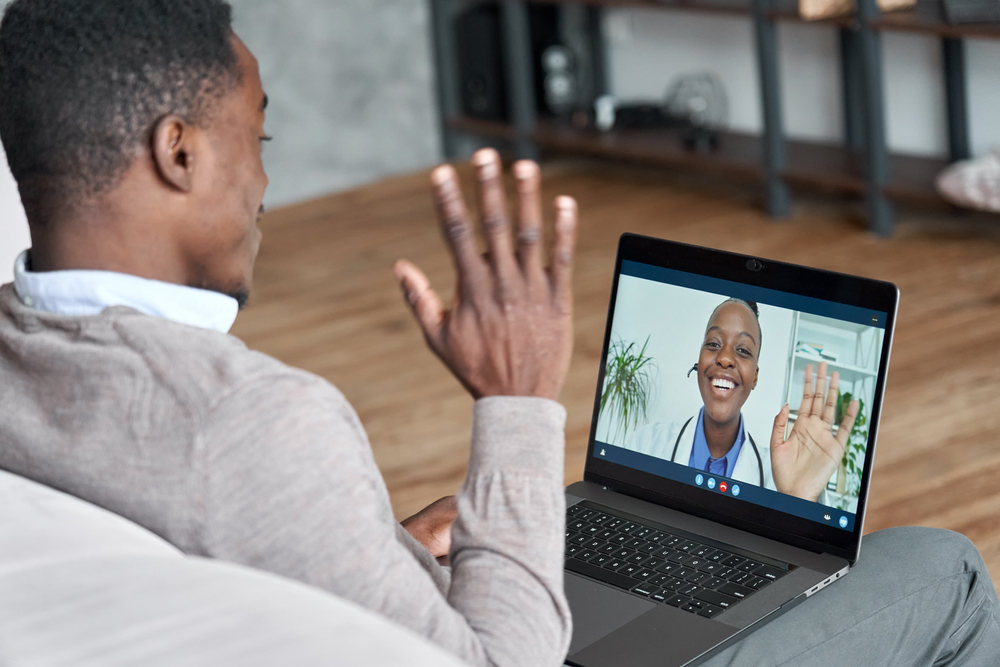

Mental Health Care from Anywhere: Understanding Your Options
Online mental health care has opened the door for people who once struggled to access therapy or psychiatric support. If you’ve been thinking about getting help but aren’t sure whether virtual care is effective, practical, or right for you, you’re in the right place.
Maybe your schedule is packed. Maybe you live far from providers. Or maybe the thought of sitting in a waiting room feels uncomfortable. Online care removes many of those barriers, giving you more flexibility and privacy while still receiving meaningful support.
Research shows that online therapy and online psychiatric care work well for many conditions. But just like in-person treatment, it’s not a one-size-fits-all solution.
Below, you’ll find a simple breakdown of how online care works, who benefits most, and how to decide if this approach fits your needs.
What Online Mental Health Care Looks Like
Online sessions are usually held through secure, healthcare-specific video platforms. Most are designed to be simple and private, even if you’re not tech savvy.
What You Need to Get Started
A stable internet connection
A phone, laptop, or tablet with a camera
A private space where you can talk freely
Your provider’s secure video link
Most clinicians use HIPAA-compliant platforms—not standard video chat apps.
What Happens Before Your First Session
You’ll usually:
Fill out digital intake forms
Review privacy, safety, and emergency plans
Test the audio and video connection
What Sessions Are Like
During your appointments:
Sessions last about 45–60 minutes
You’ll talk face-to-face through video
Your therapist may share worksheets or resources on screen
Treatment planning works the same way as in person
Support Between Sessions
Many providers offer:
Secure messaging for brief questions
Homework or tracking tools
Digital worksheets
App-based mood tracking
Comfort Note
Most people feel a little awkward during their first online session. That feeling fades fast. The format usually becomes comfortable within minutes.
Who Thrives With Online Mental Health Care
Online care isn’t just convenient — it’s genuinely effective for many people.
People Who Often Do Well With Online Sessions
Anyone balancing a busy or unpredictable schedule
People in rural or underserved areas
Those with mobility challenges or chronic illness
Parents or caregivers who can’t easily leave home
People who feel concerned about stigma or privacy
Conditions That Respond Well Online
Research shows strong outcomes for:
Depression
Anxiety disorders
PTSD
OCD
Bipolar disorder (ongoing therapy + medication management)
Stress, burnout, transitions, grief
Who Might Prefer In-Person Care
People in immediate crisis
Those with active eating disorders
Individuals with substance use concerns
People with unreliable internet or limited tech comfort
Anyone who feels strongly connected through in-person interaction
The Benefits of Online Mental Health Care
Better Access
No commuting
More providers to choose from
Shorter wait times
More flexible scheduling
Greater privacy
Better Engagement
Fewer missed appointments
Comfortable home environment
No transportation or childcare barriers
Often easier to start therapy
Cost and Time Savings
No transportation costs
No parking fees
Less time away from work or family
Some providers offer reduced online rates
Limitations and Challenges
Technology Issues
Poor connection
Platform glitches
Screen fatigue
Harder to read some nonverbal cues
Clinical Limitations
Some situations need in-person care:
Emergencies
Certain neurological or physical assessments
Medications requiring in-person monitoring
Personal Factors
Difficulty connecting emotionally through video
Home distractions
Limited privacy
Anxiety about technology
Types of Online Mental Health Services
Telepsychotherapy
Individual therapy
Couples counseling
Family therapy
Group therapy
CBT, DBT, EMDR (adapted for online)
Telepsychiatry
Psychiatric evaluations
Diagnosis
Medication management
Ongoing follow-up and adjustments
Crisis stabilization (when appropriate)
Hybrid Care
Many people choose:
In-person evaluations + online follow-ups
A mix of online and in-person sessions
Online care for maintenance once stable
Online Therapy Readiness Check
Rate each as Yes / Unsure / No
Technology
I’m comfortable with video calls.
I have a private space for sessions.
My internet is reliable.
Preferences
I like the convenience of staying home.
I’m comfortable discussing personal topics on video.
I want flexible scheduling.
Practical Needs
Travel makes appointments difficult.
I want access to more providers.
I prefer privacy over waiting rooms.
Mental Health Factors
I’m not in immediate crisis.
I’m seeking ongoing therapy, not emergency care.
My conditions (depression, anxiety, PTSD, OCD) respond well online.
If you answered mostly “Yes,” online therapy is likely a great fit.
Making Online Therapy Work for You
Set Up Your Space
Choose a consistent spot
Check lighting and audio
Use headphones for privacy
Keep water and tissues nearby
Before Each Session
Log in a few minutes early
Silence notifications
Have a notebook ready
Let others know you’re unavailable
During Sessions
Make eye contact with the camera
Tell your therapist if tech issues arise
Use shared worksheets or tools
Be open about what feels helpful
Choosing the Right Provider
Questions to Ask
Which platform do you use, and is it secure?
Do you also offer in-person care if needed?
How do you handle emergencies?
Are you licensed in my state?
What happens if technology fails?
Red Flags
Using non-secure platforms
No clear emergency plan
Not licensed in your state
Overpromising results
When In-Person Care Is the Better Option
Safety Concerns
Active self-harm thoughts
Risk to self or others
Psychotic symptoms
Severe withdrawal
Conditions Needing In-Person Monitoring
Eating disorders
Substance use disorders
Complex medical or neurological concerns
Personal Preference
You feel more connected in person
You struggle to focus on video
Technology adds stress

Insurance and Costs
Insurance
Most plans now cover online sessions. Always confirm:
Copays
Deductibles
Session limits
Coverage for therapy vs psychiatry
Paying Out of Pocket
Options include:
Sliding-scale fees
Employee assistance programs
Community clinics
Lower-cost online platforms
The Future of Online Mental Health Care
Emerging tools include:
Virtual reality for exposure therapy
AI-assisted treatment planning
Apps integrated with therapy
Biometric mood tracking
But the foundation stays the same:
A strong therapeutic relationship and a personalized treatment plan.
How to Decide What’s Right for You
Online therapy may be a great fit if you:
Need flexibility
Prefer privacy
Live far from providers
Feel comfortable with technology
In-person may be better if you:
Need more intensive support
Are in crisis
Have conditions requiring physical monitoring
Strongly prefer face-to-face connection
Many people use a hybrid model — you don’t have to choose one or the other forever.
Ready to explore telepsychotherapy or telepsychiatry options? www.drlewis.com
References:
Hagi, K., Kurokawa, S., Takamiya, A., et al. (2023). Telepsychiatry versus face-to-face treatment: Systematic review and meta-analysis of randomised controlled trials. British Journal of Psychiatry, 223(3), 407-414. https://doi.org/10.1192/bjp.2023.86
Fernandez, E., Woldgabreal, Y., Day, A., et al. (2021). Live psychotherapy by video versus in-person: A meta-analysis of efficacy and its relationship to types and targets of treatment. Clinical Psychology & Psychotherapy, 28(6), 1535-1549. https://doi.org/10.1002/cpp.2594
Kocsis, B. J., & Yellowlees, P. (2018). Telepsychotherapy and the therapeutic relationship: Principles, advantages, and case examples. Telemedicine Journal and E-Health, 24(5), 329-334. https://doi.org/10.1089/tmj.2017.0088
Scott, A. M., Clark, J., Greenwood, H., et al. (2022). Telehealth v. face-to-face provision of care to patients with depression: A systematic review and meta-analysis. Psychological Medicine, 52(14), 2852-2860. https://doi.org/10.1017/S0033291722002331
The information provided on this blog is for educational and informational purposes only. It is not intended to be a substitute for professional medical advice, diagnosis, or treatment. Always seek the advice of your physician or other qualified health provider with any questions you may have regarding a medical condition.


Choosing a psychiatrist is one of the most important healthcare decisions you can make — and in a city as

Conventional psychiatry rarely includes laboratory testing — a patient sees a psychiatrist, describes symptoms, receives a DSM diagnosis, and is

In clinical practice, it is common to encounter individuals seeking evaluation for severe, chronic fatigue and overwhelming stress. Many arrive
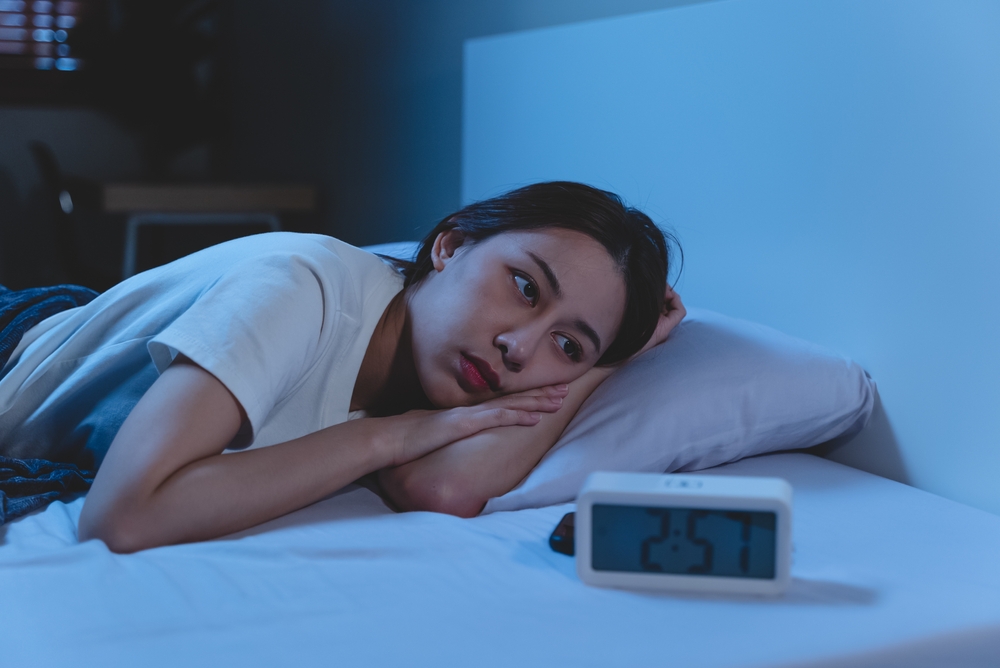
For many individuals navigating bipolar disorder, the relationship between sleep and mood is highly complex. Sleep is rarely a passive