

How Your Child’s Diet Shapes Their Mental Health: What Every Parent Should Know

The Food-Mood Connection You Can’t Ignore
As a parent, you’ve probably noticed how your child’s behavior changes after eating certain foods. Maybe they’re cranky when they skip breakfast, or hyperactive after birthday cake. What you’re witnessing isn’t just sugar rushes and crashes—it’s the powerful connection between nutrition and mental health at work.
Recent research reveals something remarkable: children who eat healthier diets consistently show fewer symptoms of depression, anxiety, and emotional problems. Even more encouraging? This relationship works both ways—happier kids tend to make better food choices, creating a positive cycle that can last a lifetime.
If you’re concerned about your child’s mood, anxiety, or emotional well-being, their plate might hold more answers than you think.
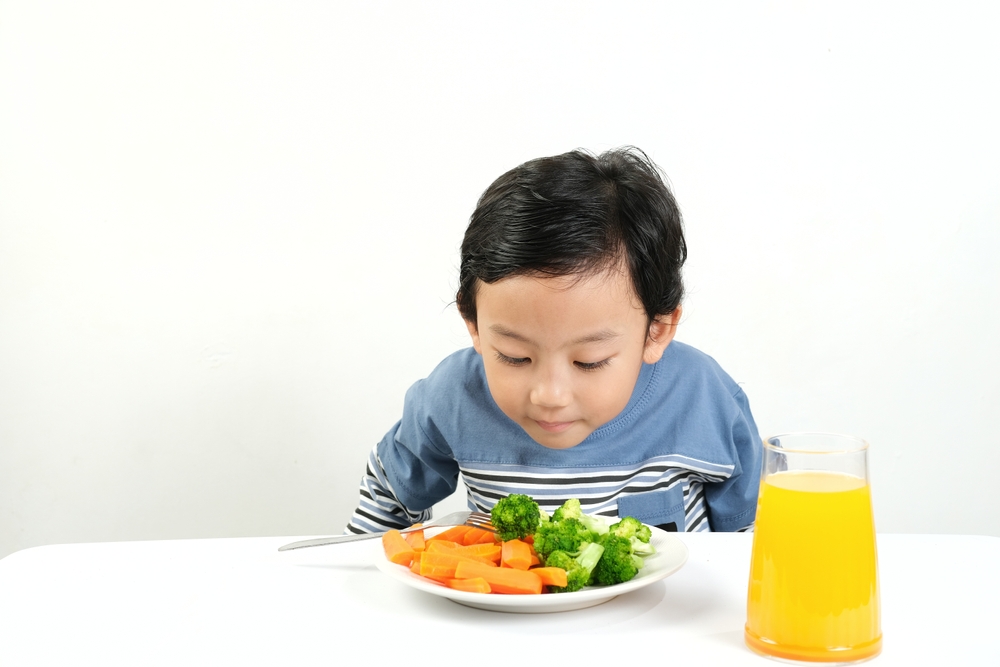
What the Science Actually Says
Multiple large-scale studies involving thousands of children across different countries have reached the same conclusion: diet quality directly impacts mental health in kids. When researchers followed over 7,600 children aged 2-9 across eight European countries for two years, they discovered something fascinating.
Children who ate more fruits, vegetables, whole grains, and fish—while avoiding processed foods and added sugars—showed significantly better psychological well-being two years later. They had higher self-esteem, fewer emotional problems, and better relationships with other children.
What made this study particularly interesting? These benefits occurred regardless of the child’s weight or family income. It wasn’t about being thin or wealthy—it was about the quality of food going into their bodies.
The Mediterranean diet pattern has shown especially strong protective effects against depression, anxiety, and even ADHD symptoms in children and adolescents. Think colorful fruits and vegetables, whole grains, fish, olive oil, and minimal processed foods.
Callout Box: The Gut-Brain Highway Your child’s gut produces many of the same chemicals their brain uses to regulate mood, including serotonin (the “happy” neurotransmitter). When their diet supports healthy gut bacteria, it supports their mental health too. Foods high in fiber and low in added sugars create the best environment for mood-supporting microbes to thrive.
How Food Actually Changes Your Child’s Brain
Understanding the mechanisms behind the food-mood connection can help you make more informed choices for your family:
Neurotransmitter Production Healthy foods provide the building blocks for brain chemicals that regulate mood. For example, fish rich in omega-3 fatty acids support the production of serotonin and dopamine, while B vitamins from whole grains help maintain stable neurotransmitter levels.
Inflammation Control Processed foods high in sugar and unhealthy fats trigger inflammation throughout the body, including the brain. This neuroinflammation is increasingly linked to depression and anxiety in children. Anti-inflammatory foods like berries, leafy greens, and fatty fish help protect developing brains.
Blood Sugar Stability Whole foods provide steady energy that keeps your child’s mood stable throughout the day. Processed foods cause blood sugar spikes and crashes that directly impact emotional regulation and attention.
Micronutrient Support Growing brains need specific nutrients like zinc, magnesium, and B vitamins to function properly. Deficiencies in these nutrients can contribute to mood disorders, while adequate intake supports emotional resilience.
Foods That Support Happy, Healthy Kids
Based on the research, here are the dietary patterns that consistently support better mental health in children:
The Mental Health All-Stars:
- Fatty fish (salmon, sardines, mackerel) 2-3 times per week
- Colorful fruits and vegetables at every meal
- Whole grains instead of refined carbohydrates
- Nuts and seeds for healthy fats and protein
- Legumes for fiber and plant protein
Foods to Minimize:
- Highly processed snacks and convenience foods
- Sugary drinks and excessive fruit juice
- Fast food and fried foods
- Foods with artificial colors and preservatives
Real-Life Translation: This doesn’t mean perfect eating every day. It means making the healthy choice the easy choice most of the time. Pack cut vegetables with hummus instead of chips, choose whole grain bread over white, and make water the default drink.
Practical Steps for Busy Families
Start Small, Think Big You don’t need to overhaul your entire kitchen overnight. Research shows that even modest improvements in diet quality can make a meaningful difference in children’s emotional well-being.
Weekly Wins:
- Add one new fruit or vegetable to your shopping list each week
- Replace one processed snack with a whole food option
- Try “Meatless Monday” with bean-based meals
- Let kids choose a new healthy food to try at the grocery store
Make It Fun, Not Stressful Children are more likely to eat foods they help prepare. Involve them in:
- Washing and chopping vegetables
- Planning weekly menus together
- Growing herbs or vegetables in pots
- Trying new recipes from different cultures
Family Meal Magic Research consistently shows that children who eat regular family meals have better mental health outcomes. These shared meals provide emotional connection and model healthy eating habits, regardless of what’s on the table.
When to Consider Additional Support
While improving diet quality can significantly impact your child’s mental health, sometimes additional support is needed. Consider consulting with healthcare providers if your child experiences:
- Persistent sadness or anxiety lasting more than two weeks
- Significant changes in sleep patterns or appetite
- Difficulty concentrating at school
- Loss of interest in activities they once enjoyed
- Extreme mood swings or emotional outbursts
The Role of Supplements Some children may benefit from targeted nutritional support, particularly omega-3 fatty acids, vitamin D, or broad-spectrum micronutrients. Research shows these supplements have a good safety profile in children, with mild gastrointestinal symptoms being the most common side effects.
However, supplements work best as part of a comprehensive approach that includes a healthy diet, regular physical activity, adequate sleep, and emotional support when needed.
Fun Element: Family Food Mood Tracker
Try this simple week-long experiment with your family:
Daily Check-ins: Rate your child’s mood and energy level from 1-5 each evening, and note what they ate that day. Look for patterns:
- Do certain foods seem to boost their mood?
- Are there foods that make them more irritable?
- How do they feel on days with more fruits and vegetables?
Make it visual: Use a simple chart with smiley faces or create a colorful graph together. Kids love seeing patterns, and this can help them make their own connections between food and feelings.
The Bigger Picture: Building Emotional Resilience
Nutrition is just one piece of supporting your child’s mental health, but it’s a powerful one because it’s largely within your control. When you provide your child with brain-nourishing foods, you’re giving them:
- Stable energy for learning and playing
- Building blocks for healthy neurotransmitter production
- Protection against inflammation that can affect mood
- A foundation for developing healthy habits that last a lifetime
Remember, you’re not aiming for perfection—you’re building patterns. Every healthy meal matters, but so does flexibility and enjoyment around food.
Moving Forward: Small Changes, Big Impact
The relationship between nutrition and mental health in children is clear: better diets lead to better emotional well-being. But this doesn’t mean you need to become a nutrition expert overnight or eliminate all treats from your home.
Start where you are, with what you have. Maybe that’s adding berries to breakfast, serving vegetables with every dinner, or involving your kids in meal planning. These small, consistent changes can create meaningful improvements in your child’s mood, behavior, and overall well-being.
Your child’s developing brain deserves the best fuel you can provide. When you prioritize their nutritional health, you’re investing in their emotional resilience, academic success, and lifelong relationship with food.
For more evidence-based approaches to supporting your child’s mental health: www.drlewis.com
References:
Khalid, S., Williams, C. M., & Reynolds, S. A. (2016). Is there an association between diet and depression in children and adolescents? A systematic review. British Journal of Nutrition, 116(12), 2097-2108. https://doi.org/10.1017/S0007114516004359
Orlando, L., Savel, K. A., Madigan, S., Colasanto, M., & Korczak, D. J. (2022). Dietary patterns and internalizing symptoms in children and adolescents: A meta-analysis. Australian and New Zealand Journal of Psychiatry, 56(6), 617-641. https://doi.org/10.1177/00048674211031486
Vejrup, K., Hillesund, E. R., Agnihotri, N., Helle, C., & Øverby, N. C. (2023). Diet in early life is related to child mental health and personality at 8 years: Findings from the Norwegian Mother, Father and Child Cohort Study. Nutrients, 15(1), 243. https://doi.org/10.3390/nu15010243
Rucklidge, J. J., Bruton, A., Welsh, A., Ast, H., & Johnstone, J. M. (2025). Annual research review: Micronutrients and their role in the treatment of paediatric mental illness. Journal of Child Psychology and Psychiatry, 66(4), 477-497. https://doi.org/10.1111/jcpp.14091


A Message From Dr. Lewis If you’ve been struggling with depression or anxiety, I want you to know something important:

The Conversation That Surprised Me A few years ago, I had a patient named Greg who’d been on escitalopram (Lexapro)

The link between yoga and mental health has become sufficiently well established as to be practically mainstream. What was associated

You’re Not Meant to Go Through Life Alone In our increasingly connected yet often isolating world, you might sometimes feel