
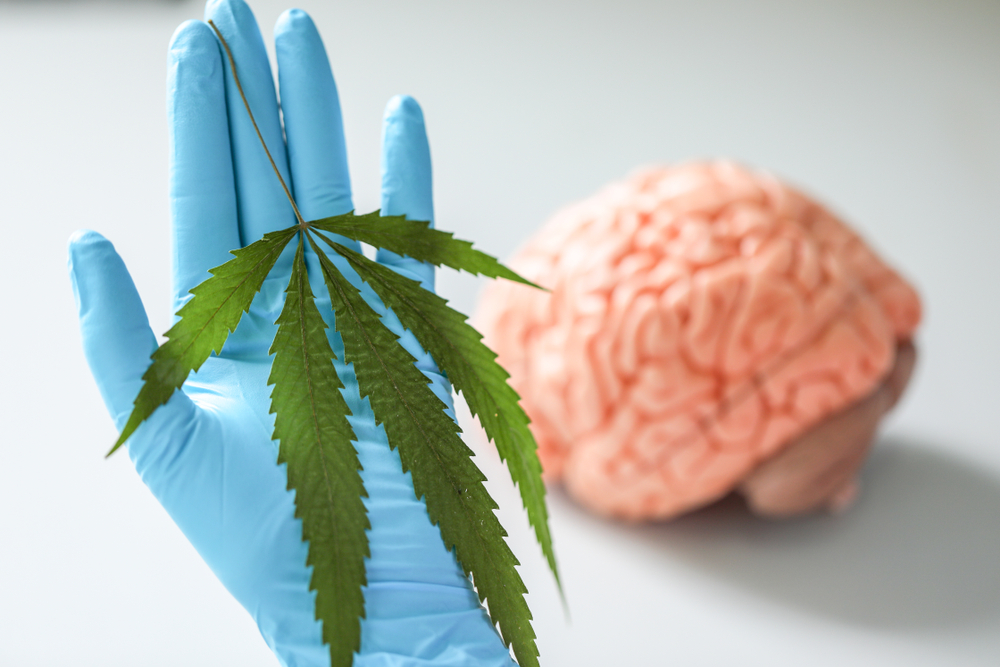
Cannabis and the Brain: What Science Says About Mental Health

Cannabis is not a new thing. People have been using it for centuries — in many different forms, like smoking, eating, or oils. In the United States, cannabis was legal and popular until the mid-1920s, when it became illegal. Since then, it’s been hard for scientists to study cannabis properly because of legal restrictions. But as more states legalize cannabis for medical or recreational use, understanding its effects on mental health has never been more important.
In this article, we’ll look at what recent research tells us about cannabis and mental health, especially for young people and those with existing mental health issues. We’ll break down some key studies to help you understand the possible risks and benefits.
Cannabis Use Among Teens and Young Adults
Many people start using cannabis as teenagers. A study from Munich, Germany, followed nearly 1,400 teens (ages 14–17) over ten years to see how their cannabis use changed and how it related to their mental health.
Here’s what they found:
- At the start, about 19% of teens had tried cannabis, and about 3% had cannabis use disorder (which means heavy use that disrupts daily life).
- Ten years later, over half (54%) had used cannabis at some point, and nearly 14% had developed cannabis use disorder.
- On average, kids started using cannabis around age 15.
- Teens with mood disorders, like bipolar disorder or anxiety, were more likely to increase cannabis use or develop cannabis use disorder over time.
Callout: Early Use & Mental Health Risks
Starting cannabis use early, especially before age 15, is linked to higher chances of heavy use and mental health challenges later on. Teens with mood disorders may be especially vulnerable.
This study shows two important things: Cannabis use grows a lot during young adulthood, and mental health problems might increase the chances a young person uses cannabis heavily. But it’s not clear why — are teens using cannabis to cope with their mood problems, or does cannabis use cause those problems? More research is needed to untangle this (1).
Does Cannabis Cause Anxiety or Help It?
Another study followed almost 2,000 Australian teens for 15 years, tracking their cannabis use and mental health from their mid-teens into their late 20s.
This study found that teens who used cannabis regularly, especially daily, were more likely to have anxiety disorders later on — even if they stopped using cannabis as adults. But interestingly, cannabis use was not linked to depression in these teens.
Callout: Cannabis & Anxiety — The Big Question
Is cannabis causing anxiety, or are anxious teens using cannabis to self-medicate? The answer is unclear, but the strong link suggests caution and more research are needed.
Again, the tricky part is understanding the cause and effect. Are anxious teens turning to cannabis to feel better, or does cannabis increase anxiety over time? We don’t have a clear answer yet, but the strong link between adolescent cannabis use and anxiety calls for more research (2).
What About People Who Already Have Mental Health Disorders?
For people who already have mental health conditions, cannabis might have different effects. One review combined data from six studies including over 2,300 people diagnosed with bipolar disorder — a mood disorder where people experience episodes of mania and depression.
The researchers found that cannabis use made bipolar symptoms worse. In fact, cannabis users with bipolar disorder were three times more likely to have manic episodes than those who didn’t use cannabis. This is a big warning sign for anyone with bipolar disorder: Using cannabis could seriously disrupt your mental health (3).
Callout: Cannabis and Bipolar Disorder
If you have bipolar disorder, cannabis use can make symptoms worse and increase manic episodes — sometimes by three times. Talk with your doctor before using cannabis.
Cannabis and Psychosis: What’s the Connection?
Psychosis means losing touch with reality — seeing or hearing things that aren’t there, or having strange beliefs. Schizophrenia is one type of psychosis-related disorder.
A study that followed over 1,000 teens looked at cannabis use and whether it predicted psychotic symptoms by age 26. They divided teens into groups:
- Group 1: Used cannabis at least 3 times by age 15
- Group 2: Used cannabis by age 18
- Group 3: Never or rarely used cannabis (control group)
Here’s what they found:
- Using cannabis by age 15 was linked to a four times higher chance of psychotic symptoms by age 26.
- However, when the researchers accounted for kids who already showed early signs of psychosis by age 11, the link between cannabis and psychosis became much weaker and wasn’t statistically significant anymore.
Callout: Psychosis and Early Cannabis Use
Early cannabis use may raise the risk of psychosis, but only for some teens — especially those already showing early signs of mental illness. Early mental health care is key.
This means some kids might already be at risk for psychosis, and cannabis might not cause it directly — but it could still be a risk factor, especially for those vulnerable to mental illness. So, caution is important, especially for young teens (4).
What We Still Don’t Know
The research on cannabis and mental health is growing, but many questions remain:
- How does cannabis affect brain development? The teen brain is still growing and changing. We don’t fully understand how cannabis might impact this process.
- What about people with other mental health conditions? We know cannabis can worsen bipolar disorder, but what about depression, PTSD, or other disorders?
- Does cannabis cause new mental health disorders? The relationship between cannabis and psychosis is complicated and likely depends on other factors like genetics or early mental health problems.
Callout: More Research Needed
Cannabis research is limited by legal restrictions and complexity of mental health. We need more studies to understand who is at risk and how cannabis affects the brain.
Because cannabis is used by so many people — and often starts in the teenage years — it’s important to study it carefully to protect public health.
Final Thoughts: Should You Be Careful with Cannabis?
If you or someone you love has a history of mental health issues, especially bipolar disorder or schizophrenia in the family, it’s wise to be cautious with cannabis use. For teens and young adults, early and regular use might increase the risk of anxiety and other mental health problems later in life.
At the same time, cannabis is becoming legal in many places and some people find relief from certain medical symptoms using it. But the current research suggests that cannabis is not risk-free when it comes to mental health.
If you’re thinking about using cannabis or already use it, talk with a healthcare professional about your mental health history and any concerns you have.
Other sources:
- Royal College of Psychiatrists. (n.d.). Cannabis and mental health. https://www.rcpsych.ac.uk/mental-health/mental-illnesses-and-mental-health-problems/cannabis-and-mental-health
- Cleveland Clinic. (n.d.). Can marijuana help your mental health? https://health.clevelandclinic.org/can-marijuana-help-your-mental-health
- Jefsen, O. H., Erlangsen, A., Nordentoft, M., & Hjorthøj, C. (2023). Cannabis Use Disorder and Subsequent Risk of Psychotic and Nonpsychotic Unipolar Depression and Bipolar Disorder. JAMA Psychiatry, 80(8), 803-810. https://doi.org/10.1001/jamapsychiatry.2023.1256
References
- Wittchen, H.-U., et al. (2007). Cannabis use and cannabis use disorders and their relationship to mental disorders: Findings from a community study. Addictive Behaviors, 32(10), 2152-2167. https://doi.org/10.1016/j.addbeh.2006.09.010
- Degenhardt, L., et al. (2012). Does regular cannabis use cause anxiety symptoms? Evidence from a longitudinal study. Journal of Affective Disorders, 136(1-2), 140-146. https://pubmed.ncbi.nlm.nih.gov/22775447/
- Ringen, P. A., et al. (2015). Cannabis use and bipolar disorder: Impact on illness course and outcomes. Bipolar Disorders, 17(5), 448-457. https://pubmed.ncbi.nlm.nih.gov/25285897/
- Arseneault, L., et al. (2002). Cannabis use in adolescence and risk for adult psychosis: Longitudinal cohort study. BMJ, 325(7374), 1212. https://www.bmj.com/content/325/7374/1212.short
The information provided on this blog is for educational and informational purposes only. It is not intended to be a substitute for professional medical advice, diagnosis, or treatment. Always seek the advice of your physician or other qualified health provider with any questions you may have regarding a medical condition.

A Message From Dr. Lewis If you’ve been struggling with depression or anxiety, I want you to know something important:
The Conversation That Surprised Me A few years ago, I had a patient named Greg who’d been on escitalopram (Lexapro)


You’re Not Meant to Go Through Life Alone In our increasingly connected yet often isolating world, you might sometimes feel