
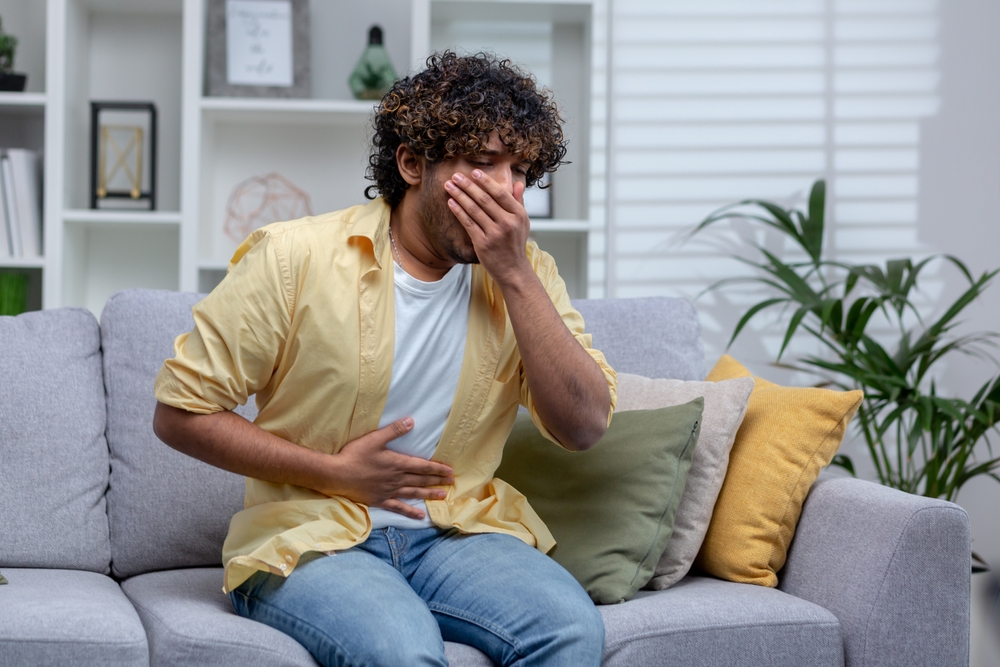
The Gut-Brain Connection: Probiotics and Mental Health

The connection between gut health and mental health has emerged as one of the most exciting frontiers in psychiatric research. What we are learning about the gut-brain axis has profound implications for how we understand and treat depression, and may offer new tools for enhancing antidepressant effectiveness while reducing side effects.
The Microbiome-Brain Connection
Your gut is home to trillions of bacteria, collectively called the microbiome. These bacteria are not just passive inhabitants; they actively communicate with your brain through multiple pathways. They produce neurotransmitters including serotonin, GABA, and dopamine. They influence inflammation throughout the body. They send signals through the vagus nerve directly to the brain. They affect the integrity of the gut lining and the blood-brain barrier.
As Dr. Ted Dinan explains in Nutritional Psychiatry published by the Royal College of Psychiatrists, “The gut microbiome is increasingly recognized as a key player in mental health, and its composition may influence both the development of mood disorders and the response to treatment.”
Probiotics and Mental Health: What the Research Shows
The research on probiotics for mental health has grown substantially. A meta-analysis examining probiotics in clinical populations (people with diagnosed depression or anxiety) found impressive results: a standardized mean difference of -0.96 for depression, indicating a large effect size. For anxiety, the effect size was -0.59, a moderate effect.
A randomized controlled trial of probiotic augmentation (adding probiotics to existing antidepressant treatment) found that 55% of the probiotic group achieved remission compared to 40% with placebo. The probiotic group also showed changes in brain activity on functional MRI scans, suggesting measurable effects on brain function.
The strains with the most evidence include various Lactobacillus species (particularly L. rhamnosus, L. helveticus, and L. casei) and Bifidobacterium species (particularly B. longum and B. breve). Multi-strain formulations containing both Lactobacillus and Bifidobacterium have shown the most consistent results.
Supporting Your Microbiome Through Diet
While supplements can be helpful, the foundation of microbiome health is diet. The bacteria in your gut feed on what you eat, and different foods promote different bacterial populations.
The Mediterranean Diet
The Mediterranean diet has the strongest evidence base for mental health benefits. It emphasizes vegetables, fruits, whole grains, legumes, nuts, olive oil, and fish, with limited red meat and processed foods. Research has found that adherence to a Mediterranean diet is associated with reduced risk of depression and improved outcomes in people with existing depression.
The mechanisms likely include both direct nutritional effects (high in omega-3s, B vitamins, and antioxidants) and indirect effects through the microbiome. The high fiber content of this diet feeds beneficial bacteria that produce short-chain fatty acids with anti-inflammatory properties.
Fiber and Prebiotics
Prebiotics are types of fiber that specifically feed beneficial gut bacteria. Good sources include garlic, onions, leeks, asparagus, bananas, oats, apples, and flaxseed. Increasing prebiotic intake can shift the microbiome toward more beneficial compositions.
Fermented Foods
Fermented foods contain live beneficial bacteria and can contribute to microbiome diversity. Options include yogurt with live cultures, kefir, sauerkraut, kimchi, miso, and kombucha. Regular consumption of fermented foods has been associated with reduced social anxiety in observational studies.
Practical Recommendations
Based on the current evidence, integrative psychiatrists often recommend:
- Dietary foundation: Adopt a Mediterranean-style eating pattern rich in vegetables, fiber, and omega-3 fatty acids
- Fermented foods: Include one to two servings daily of fermented foods like yogurt, kefir, or sauerkraut
- Probiotic supplementation: Consider a multi-strain probiotic containing Lactobacillus and Bifidobacterium species, particularly if dietary changes are difficult or if GI symptoms are prominent
- Avoid microbiome disruptors: Minimize unnecessary antibiotics, artificial sweeteners, and excessive processed foods
- Address gut issues: If you have significant GI symptoms, consider evaluation for conditions like SIBO, leaky gut, or food sensitivities that may be affecting both gut and brain health
Key Takeaways
- The gut microbiome communicates with the brain through multiple pathways and influences mental health
- Probiotics show moderate to strong effects in clinical populations (SMD -0.96 for depression)
- Probiotic add-on to antidepressants improved remission rates (55% vs 40%)
- Multi-strain Lactobacillus and Bifidobacterium formulations have the most evidence
- Mediterranean diet and fermented foods support microbiome health
- Dietary changes form the foundation; supplements can complement but not replace good nutrition
Medical Disclaimer: This information is for educational purposes only. Consult your healthcare provider before making changes to your treatment or starting supplements.
References
- Dinan TG, Cryan JF. Nutritional Psychiatry. Royal College of Psychiatrists; 2023.
- Schaub AC, et al. Clinical, gut microbial and neural effects of a probiotic add-on therapy in depressed patients. Transl Psychiatry. 2022;12(1):227.
- Liu L, et al. Gut microbiota and depression: a systematic review. EBioMedicine. 2023.
- Lassale C, et al. Healthy dietary indices and risk of depressive outcomes. Mol Psychiatry. 2019.
The information provided on this blog is for educational and informational purposes only. It is not intended to be a substitute for professional medical advice, diagnosis, or treatment. Always seek the advice of your physician or other qualified health provider with any questions you may have regarding a medical condition.

A Message From Dr. Lewis If you’ve been struggling with depression or anxiety, I want you to know something important:
The Conversation That Surprised Me A few years ago, I had a patient named Greg who’d been on escitalopram (Lexapro)


You’re Not Meant to Go Through Life Alone In our increasingly connected yet often isolating world, you might sometimes feel