
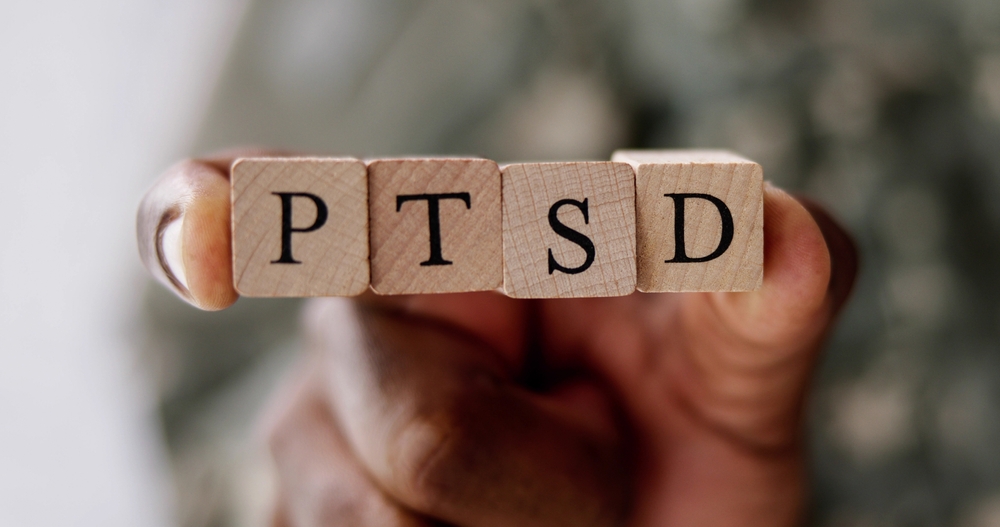

In conversations about mental health, the words “trauma” and “PTSD” are often used interchangeably. You might hear someone say they feel “traumatized” by a stressful work week or that a difficult memory is giving them “PTSD.” While this casual use reflects a growing awareness of mental health, it can also create confusion. It leaves many people wondering what the real distinction is, and whether their own experiences “count” as one, the other, or either.
If you have lived through a difficult event and are struggling to make sense of its aftermath, understanding the relationship between these two terms can be an important step. Clarifying the difference between PTSD vs trauma is not about finding the “right” label for your pain. Instead, it’s about gaining a clearer picture of what has happened in your body and nervous system. This clarity can help reduce self-blame, demystify your symptoms, and illuminate the most supportive path toward healing.
Trauma and PTSD Are Related — But They Are Not the Same Thing
At the most fundamental level, trauma is an experience, while Post-Traumatic Stress Disorder (PTSD) is a potential response to that experience. Think of it this way: not everyone who is in a car accident will break a bone, but the accident is the event that could cause the injury. Similarly, not everyone who experiences trauma will develop PTSD, but trauma is the event that can lead to it.
Understanding this distinction is the first step in separating what happened to you from how your system is continuing to respond for you.
Trauma as an Experience the Body Responds To
Trauma is not the event itself, but the body’s response to an event that is perceived as deeply threatening or overwhelming. It could be a single, acute event like a physical assault, a serious accident, or a natural disaster. It could also be a series of ongoing events, such as childhood neglect, emotional abuse, or living with chronic illness or discrimination.
The key factor is that the experience overwhelms your capacity to cope. It floods your nervous system with so much stress that it can’t be processed and integrated in the moment. Instead, the survival energy—the intense fear, helplessness, or horror—gets trapped in the body. Trauma explained simply is this: it’s too much, too fast, or too soon for your system to handle.
PTSD as a Condition That Can Develop After Trauma
PTSD is a specific, diagnosable condition that can arise when the body’s natural recovery process after trauma is disrupted. After a threatening event, it is normal to experience fear, anxiety, and jumpiness. For most people, these feelings gradually subside as the nervous system returns to its baseline.
In PTSD, the nervous system gets stuck in survival mode. The brain continues to send danger signals even when you are perfectly safe. This leads to a persistent set of symptoms that significantly interfere with daily life. The difference between PTSD and trauma is that trauma is the wound, while PTSD is one way the body can struggle to heal that wound, keeping it open and painful long after the initial injury occurred.
Why Not Everyone Who Experiences Trauma Develops PTSD
One of the most common and painful questions people ask after a difficult experience is, “Why can’t I just get over it? Other people have been through worse and are fine.” This comparison can lead to deep feelings of shame and self-blame. The truth is that the development of PTSD has very little to do with personal strength or weakness.
Whether a traumatic experience leads to PTSD is determined by a complex interplay of biology, personal history, and the environment in which the healing takes place. Understanding this can help you shift from self-blame to self-compassion.
How Timing, Support, and Safety Influence Recovery
Several factors can influence whether trauma resolves on its own or develops into PTSD.
- Support After the Event: Having a strong support system—people who listen without judgment and offer comfort—is one of the most significant protective factors. Feeling seen and validated helps the nervous system co-regulate and begin to stand down from high alert. Isolation, in contrast, amplifies the sense of danger.
- Sense of Safety: If the traumatic experience is ongoing (like in an abusive relationship) or if you return to an environment that feels unsafe, your nervous system never gets the signal that it’s okay to relax. A sustained sense of physical and emotional safety is essential for recovery.
- Previous Trauma History: Individuals with a history of prior trauma, especially in childhood, may have a nervous system that is already sensitized to threat. A new trauma can land on top of old, unprocessed wounds, making the development of PTSD more likely.
Why the Nervous System Heals Differently for Each Person
Every nervous system is unique. Your genetic predispositions, your overall physical health, and your innate temperament all play a role in how you process stress. These are not things you can control. Some people are born with a nervous system that is naturally more resilient to stress, while others have a system that is more sensitive.
These PTSD risk factors are not a judgment on your character. They are simply biological variables. Just as one person might be prone to migraines and another to allergies, some individuals have a neurobiology that is more vulnerable to getting stuck in a trauma response. Acknowledging this helps to de-personalize the struggle and see it for what it is: a physiological process.
How Trauma and PTSD Symptoms Can Overlap
A major source of confusion in the “trauma vs PTSD” debate is that the symptoms can look very similar. A person can experience trauma symptoms without meeting the full criteria for PTSD. This is because both stem from the same root: a nervous system that is dysregulated and holding onto unprocessed survival energy.
Shared Emotional, Physical, and Behavioral Responses
Whether you have PTSD or are experiencing a trauma response, you might notice a range of symptoms that impact your daily life.
- Emotional Responses: Both can involve anxiety, irritability, sadness, or feeling emotionally numb and disconnected.
- Physical Responses: Sleep disturbances, chronic muscle tension, fatigue, and an exaggerated startle response are common in both.
- Behavioral Responses: You might find yourself avoiding certain places or people, feeling constantly on guard (hypervigilant), or having difficulty concentrating.
These shared experiences are all adaptive responses from a nervous system trying to protect you from future harm.
Why Overlap Can Make Self-Diagnosis Confusing
Because trauma symptoms vs PTSD symptoms can be so similar, it is easy to fall down a rabbit hole of online research, trying to figure out which label fits. You might read a checklist for PTSD and recognize some symptoms but not others, leaving you wondering if your experience is “bad enough” to count.
This focus on diagnosis can be a distraction from what truly matters: the degree of distress and impairment you are experiencing. It doesn’t matter if you meet five out of eight criteria or three out of eight. If your symptoms are making it hard to sleep, work, or connect with the people you love, your suffering is real and deserves support.
Why Labels Matter Less Than the Right Kind of Care
In our healthcare system, diagnoses can feel like gatekeepers to care. While a formal diagnosis can be necessary for insurance purposes and can provide a sense of validation, getting too attached to a label can sometimes be limiting. The ultimate goal is not to fit neatly into a diagnostic box, but to find a path toward healing.
When a Diagnosis Can Be Helpful — and When It Can Feel Limiting
For some, receiving a PTSD diagnosis is a profound relief. It gives a name to their suffering, validates their experience as a legitimate medical condition, and silences the inner critic that says they are “crazy” or “making it up.” A diagnosis can provide a shared language with clinicians and open doors to specific, evidence-based treatments.
However, a diagnosis can also feel like a life sentence. It can become a defining part of one’s identity (“I am a person with PTSD”) rather than a description of a current condition. In the PTSD diagnosis vs trauma experience debate, it’s crucial to remember that a diagnosis describes a cluster of symptoms, not the totality of who you are.
Focusing on What You’re Experiencing, Not Just What It’s Called
Regardless of the label, the most important questions are:
- How is this experience showing up in my body?
- How is it affecting my thoughts and emotions?
- How is it impacting my relationships and my ability to live the life I want?
This is the foundation of trauma-informed care. It shifts the focus from “What do we call this?” to “What is happening for you, and what do you need to feel safe and supported?” This approach honors your unique experience and builds a personalized plan for healing, whether or not you meet the full criteria for PTSD.
Choosing the Right Support for Your Healing Journey
Whether you identify your experience as trauma, PTSD, or simply a period of profound struggle, the principles of effective support are the same. Healing from a dysregulated nervous system requires an approach that is gentle, patient, and prioritizes safety above all else.
How Trauma-Informed Care Meets You Where You Are
Trauma-informed care is an approach that assumes an individual is more likely than not to have a history of trauma. It recognizes the widespread impact of trauma and understands potential paths for recovery. This framework is not just for people with a PTSD diagnosis; it is for anyone whose nervous system is carrying the weight of a difficult past.
This type of care, whether it’s PTSD treatment or trauma therapy, will always start with building safety and stability. It helps you develop the resources to manage overwhelming feelings before ever asking you to revisit painful memories. It works at your pace, respecting the deep wisdom of your system’s need to protect itself.
Finding Support That Focuses on Safety, Regulation, and Healing
The right support will help you learn the language of your own nervous system. It will provide tools for grounding yourself when you feel anxious and for gently re-engaging with the world when you feel numb. It focuses on regulation—helping your system move out of survival mode and back into a state of social engagement and rest.
Understanding the Difference Can Be a First Step Toward Relief
Differentiating between trauma and PTSD is more than a semantic exercise. It is an act of clarification that can have a profound impact on your healing journey.
Why Clarity Often Reduces Fear and Self-Blame
When you understand that trauma is a near-universal human experience and that PTSD is a treatable physiological condition—not a personal failure—a layer of shame can begin to lift. This knowledge empowers you to see your symptoms not as proof that you are broken, but as intelligent, adaptive responses that are no longer serving you. This shift in perspective is often the first step out of the isolation that trauma creates.
Learning More About Trauma and PTSD Treatment Options
Clarity can also guide you toward the right kind of help. It helps you ask better questions and seek out providers who understand the nuances of trauma recovery and PTSD recovery. You are not alone in this experience, and you do not have to navigate the path to healing by yourself. To take the next step, we invite you to learn more about a trauma-informed approach to treatment, which can offer the safety and support needed to move forward.
The information provided on this blog is for educational and informational purposes only. It is not intended to be a substitute for professional medical advice, diagnosis, or treatment. Always seek the advice of your physician or other qualified health provider with any questions you may have regarding a medical condition.


A Message From Dr. Lewis If you’ve been struggling with depression or anxiety, I want you to know something important:
The Conversation That Surprised Me A few years ago, I had a patient named Greg who’d been on escitalopram (Lexapro)


You’re Not Meant to Go Through Life Alone In our increasingly connected yet often isolating world, you might sometimes feel