
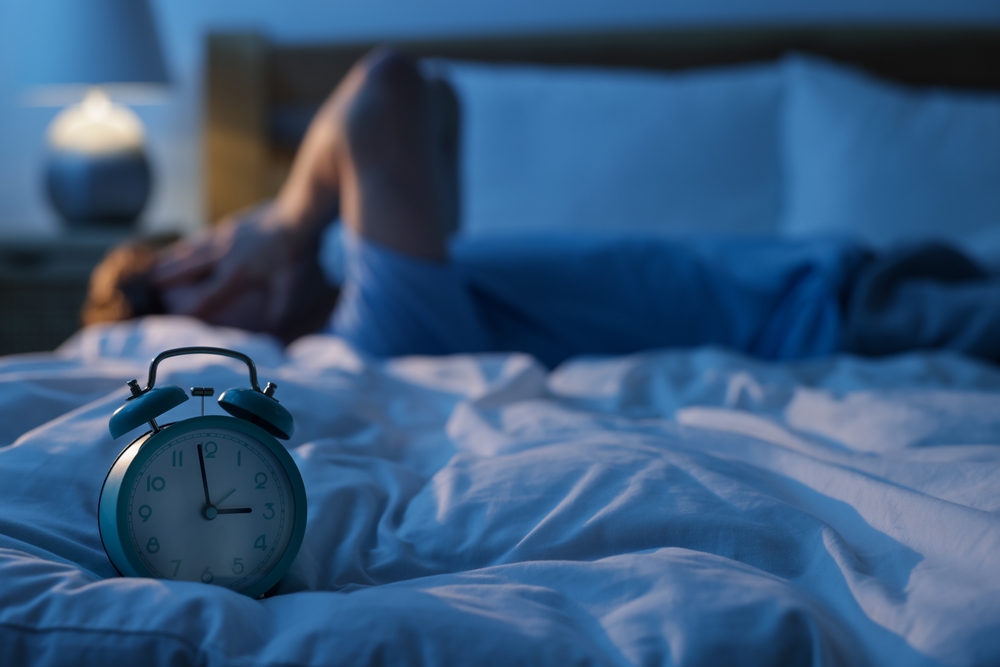

Sleep is foundational to mental health, metabolic health, immune function, and cognitive performance — and yet insomnia affects approximately one-third of adults chronically. The conventional approach to sleep problems — a prescription for Ambien or trazodone — addresses the symptom without asking why. Here are ten common root causes of sleep disruption and the integrative interventions that address each one.
1. Cortisol Dysregulation (Evening Cortisol High)
Cortisol — the body’s primary stress hormone — follows a natural diurnal rhythm: highest in the morning (to energize waking) and lowest in the evening (to allow sleep). In people with HPA axis dysregulation — driven by chronic stress or disrupted circadian rhythms — this pattern reverses: cortisol is too low in the morning (causing difficulty waking and fatigue) and too high in the evening (causing an inability to wind down, racing thoughts, and difficulty falling asleep despite exhaustion). This pattern — sometimes called ‘tired but wired’ — is extremely common in people with high-stress lives, anxiety disorders, or perimenopause. The fix: morning light exposure (cortisol follows light), a consistent wake time (the most powerful circadian regulator), adaptogens like ashwagandha or rhodiola to normalize HPA axis function, and avoiding screens and stimulating content in the evening.
2. Blood Sugar Crashes During the Night
Nocturnal blood sugar crashes — particularly in people with reactive hypoglycemia or those who eat dinner early and go to bed late — trigger cortisol and adrenaline release as the body mobilizes glucose stores. This stress hormone release occurs around 2–4am for many people and causes abrupt awakening, heart racing, sweating, and an inability to return to sleep. The fix: ensure dinner contains adequate protein and healthy fat to stabilize blood sugar through the night. If early morning waking is consistently occurring, a small protein-and-fat snack before bed (cheese, nuts, a boiled egg) can prevent the blood sugar dip that triggers the hormonal awakening response. Reducing refined carbohydrates and sugar throughout the day also stabilizes the nocturnal blood sugar baseline. Continuous glucose monitoring (now available over the counter with Levels, Dexcom, or Stelo) can confirm whether nocturnal hypoglycemia is occurring.
3. Magnesium Deficiency
Magnesium is required for the activation of GABA-A receptors — the brain’s primary inhibitory system and the target of sleep medications like benzodiazepines and zolpidem. It also regulates melatonin synthesis, supports parasympathetic nervous system activity, and reduces the cortisol response to stress. Magnesium deficiency — affecting an estimated 45% of Americans due to depleted soils, processed diets, and stress-driven magnesium depletion — directly impairs sleep quality, reduces slow-wave (deep) sleep, and causes nighttime muscle cramps and restlessness. The fix: magnesium glycinate (300–400 mg) taken 30–60 minutes before bed is one of the most consistently effective and evidence-based sleep interventions available. Magnesium threonate (which crosses the blood-brain barrier particularly well) is another excellent option for cognitive and sleep benefits. Start at 200 mg and titrate up gradually to avoid GI loosening.
4. Screen Light and Blue Light Exposure
Artificial blue light from phones, computers, tablets, and LED lighting in the evening suppresses melatonin production by signaling to the brain that it is still daytime. Melatonin — the hormone that regulates sleep onset — begins rising naturally approximately 2 hours before sleep, preparing the brain and body for sleep. Evening screen use delays this melatonin rise by 1–3 hours, pushing sleep timing later and reducing total sleep time when a fixed wake time is maintained. The fix: eliminate screens for at least 60–90 minutes before bed, or use blue-light-blocking glasses (amber lenses) after sunset. Switch device displays to ‘night mode’ (warm tone). Use dim, warm-spectrum lamps in the evening rather than bright overhead lighting. Reading a physical book or doing low-stimulation activities before bed supports natural melatonin rise.
5. Anxiety Loop and Racing Thoughts
The ‘sleep anxiety loop’ — in which anxiety prevents sleep, and then worry about not sleeping increases anxiety, further preventing sleep — is one of the most common and most maintaining factors in chronic insomnia. The bed becomes associated with wakefulness and worry rather than sleep (conditioned arousal), a pattern addressed by Cognitive Behavioral Therapy for Insomnia (CBT-I). CBT-I is the gold-standard treatment for chronic insomnia, with effect sizes that exceed sleep medication and durable long-term improvements. Key components: sleep restriction therapy (counterintuitively, limiting time in bed to strengthen sleep pressure), stimulus control (using the bed only for sleep and sex), cognitive restructuring of sleep-related worry, and relaxation training. Beyond CBT-I, L-theanine (200–400 mg), magnesium, and calming breathwork (4-7-8 breathing or physiological sigh) can interrupt the anxiety loop acutely.
6. Gut Health Issues
An increasingly recognized but underappreciated cause of sleep disruption is gut dysfunction — specifically, gut dysbiosis, SIBO, and intestinal inflammation. The gut microbiome participates in serotonin synthesis, and serotonin is the precursor to melatonin (the sleep hormone). Gut dysbiosis impairs serotonin production, which downstream reduces melatonin availability and delays sleep. Inflammatory gut conditions also activate the immune-brain axis in ways that disrupt sleep architecture and reduce slow-wave sleep. Additionally, gut motility follows circadian rhythms — and circadian disruption from poor sleep worsens gut motility, creating a bidirectional sleep-gut cycle. People with IBS, bloating, and constipation commonly report sleep disruption. Addressing gut health — through dietary changes, probiotics, and gut-healing protocols — often produces simultaneous improvements in both gut symptoms and sleep quality.
7. Hormonal Causes — Low Progesterone
As discussed throughout this site, progesterone has direct GABA-A receptor activity through its metabolite allopregnanolone — producing calming and sleep-promoting effects. The progressive decline of progesterone in perimenopause and menopause is a primary reason why sleep disruption worsens dramatically during this life phase. Low progesterone causes difficulty falling asleep, frequent nighttime waking, and early morning waking — even before hot flashes appear. Low-dose oral micronized progesterone (100 mg at bedtime — Prometrium) taken as part of bioidentical hormone therapy is remarkably effective for perimenopausal and menopausal insomnia. This is a prescription intervention requiring medical evaluation, but it addresses the hormonal root cause rather than simply sedating the brain with sleep medication.
8. ADHD Brain — Difficulty Shutting Down
People with ADHD frequently have profound sleep difficulties that are intrinsic to the condition, not just a consequence of it. The ADHD brain has characteristic difficulty transitioning from alertness to sleep: the prefrontal cortex continues processing, thoughts race, the body feels restless, and sleep onset is delayed by hours. This phenomenon — sometimes called ‘delayed sleep phase syndrome’ in ADHD — means that people with ADHD often feel most awake and creative late at night, and most drowsy in the morning, regardless of medication. The circadian preference is biologically shifted in many people with ADHD. Melatonin (0.5–3 mg) taken 1–2 hours before desired sleep time can help shift sleep timing. Iron deficiency (common in ADHD) worsens sleep initiation and restless legs and should be assessed. Consistent sleep/wake timing — even on weekends — is the most important behavioral anchor.
9. Trauma and Hypervigilance
For people with trauma histories — particularly complex trauma, PTSD, or childhood adversity — sleep can feel fundamentally unsafe. Hypervigilance (a state of persistent threat-scanning) persists into the night, preventing the brain from entering the vulnerable state of deep sleep. Nightmares and trauma-related dream content disrupt REM sleep. The nervous system remains in chronic sympathetic activation (fight-or-flight mode), preventing the parasympathetic shift (rest-and-digest) necessary for restful sleep. Conventional sleep medications don’t address this trauma-rooted hyperarousal. Effective approaches include trauma-specific therapies (EMDR, Somatic Experiencing), safety-enhancing sleep practices (weighted blankets, specific sleep environments), prazosin (an alpha-1 blocker shown in clinical trials to reduce trauma nightmares), and nervous system regulation practices before bed (progressive muscle relaxation, guided imagery, body scan meditation).
10. Thyroid Dysfunction
Both hyperthyroidism and hypothyroidism produce characteristic sleep disturbances that are frequently unrecognized as thyroid-driven. Hyperthyroidism (or Hashimoto’s with thyrotoxic phases) causes racing heart, anxiety, sweating, and physiological hyperarousal that prevent sleep. Hypothyroidism causes excessive sleep need, non-restorative sleep, and sleep apnea (hypothyroidism increases the risk of OSA). Even subclinical thyroid dysfunction — with TSH technically ‘normal’ — can disrupt sleep quality and architecture. Hashimoto’s thyroiditis in particular can cause unpredictable thyroid hormone fluctuations that alternately cause hyperthyroid-like anxiety and insomnia, then hypothyroid-like exhaustion. If you have unexplained sleep disruption alongside fatigue, mood changes, weight changes, or cold/heat intolerance, a complete thyroid panel is a necessary diagnostic step.
Sleep disorders have root causes that deserve investigation, not just suppression with sleep medication. At drlewis.com, I take a comprehensive, root-cause approach to sleep as part of integrative psychiatric care — because good sleep is not optional for mental health. Brooklyn and telehealth available.
The information provided on this blog is for educational and informational purposes only. It is not intended to be a substitute for professional medical advice, diagnosis, or treatment. Always seek the advice of your physician or other qualified health provider with any questions you may have regarding a medical condition.


A Message From Dr. Lewis If you’ve been struggling with depression or anxiety, I want you to know something important:

The Conversation That Surprised Me A few years ago, I had a patient named Greg who’d been on escitalopram (Lexapro)


You’re Not Meant to Go Through Life Alone In our increasingly connected yet often isolating world, you might sometimes feel