
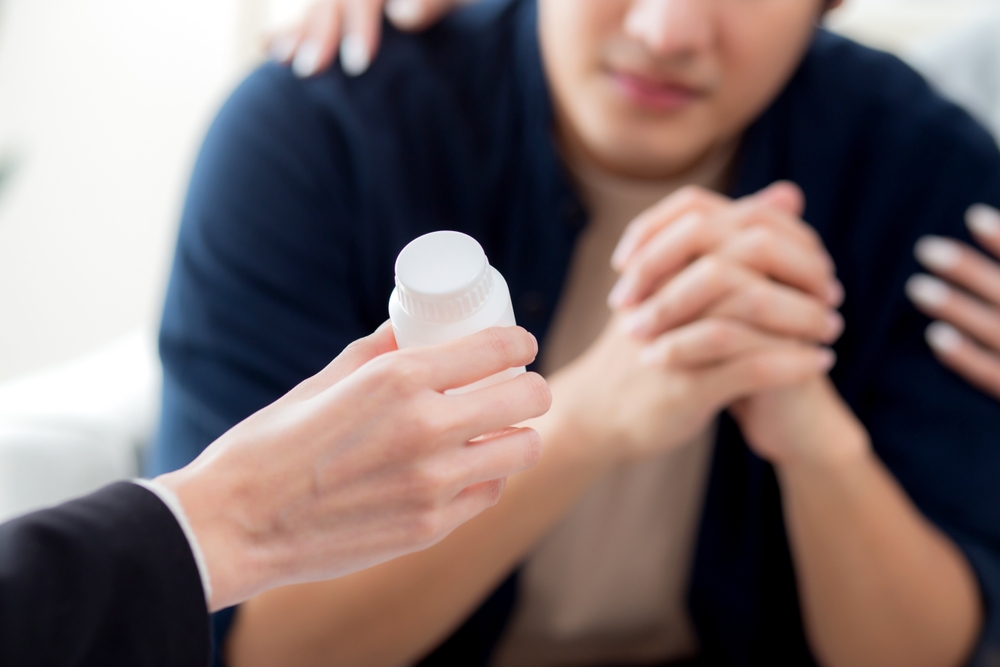

There is a particular mood that often shows up right before someone asks me about supplements.
It is not quite desperation. It is not quite optimism. It is something softer and more private than either.
It sounds like this.
“I’m doing the work. I’m trying. But I still don’t feel like myself. Is there anything else I can do that’s gentle, that doesn’t feel like another big decision?”
That is usually the real question beneath the question.
And the honest answer is yes, sometimes. Some supplements have evidence for depression, especially as adjuncts. Others are overhyped. A few are quietly risky, not because they are “natural,” but because the brain is not a simple system and plant chemistry is still chemistry.
So in this post, I want to offer a grounded, human approach. Not a shopping list. Not a set of rules. A way to think.
Start Here: Supplements Are Not a Substitute for Care
If you have moderate to severe depression, suicidal thoughts, or major impairment, supplements should not be your primary strategy. Evidence based care exists for a reason, and treatment is typically matched to severity and context. If you are having thoughts of suicide or are in danger, call or text 988 or call 911 now.
But supplements can play a role in a fuller plan, especially when:
You are building a foundation and want an added lever
You have partial response to psychotherapy or medication
You have a clear deficiency that needs correction
You are looking for something low friction to support the system while deeper work continues
The key is choosing thoughtfully.
How to Sort Supplements: Support, Adjunct, or Avoid
When I’m helping someone decide, I put supplements into three buckets.
Support supplements are mainly about filling gaps or gently supporting physiology, with low downside when used appropriately.
Adjunct supplements have evidence suggesting they can reduce depressive symptoms, often in addition to standard care, but require more careful selection.
Avoid unless supervised includes agents with meaningful interaction risks or higher potential to destabilize mood.
This keeps the conversation calm and practical.
The strongest adjuncts, based on current evidence
Omega 3s, with an emphasis on EPA containing formulations
Omega 3s are one of the most studied nutraceuticals in mood disorders. The evidence is not perfect, but there is consistent signal that certain omega 3 preparations can reduce depressive symptoms, particularly when used as adjuncts.
A recent systematic review and meta analysis of randomized controlled trials reported benefits of long chain omega 3 fatty acids for depression and anxiety symptoms in adults. (ScienceDirect)
Two clinical points matter here.
First, omega 3 studies are not interchangeable. Different trials use different ratios, doses, and populations, which is why results can look mixed when you zoom out.
Second, quality matters. Omega 3 products can vary, and oxidation is a real issue. This is one of the areas where third party testing is worth prioritizing.
Omega 3s are not a miracle. But for some people, they are one of the few “quiet” additions that actually move the needle.
L methylfolate and folate, especially as adjuncts
Folate is not an antidepressant. But methylation related pathways and one carbon metabolism can intersect with neurotransmitter synthesis, and adjunct folate strategies have been studied in depression.
A systematic review and meta analysis found that adding folate, including l methylfolate or folic acid, to SSRI or SNRI treatment was associated with improvement in depression symptom scores in major depressive disorder. (ScienceDirect)
There are two reasons I like to frame this carefully.
First, “more” is not always better. Folate is not something you want to megadose casually.
Second, it is not for everyone. If someone has bipolar spectrum vulnerability, or a history of antidepressant induced activation, we move slowly and thoughtfully with any adjunct that might shift neurotransmitter synthesis.
SAMe
SAMe has a long history in depression research and is still actively evaluated.
A systematic review and meta analysis published in 2024 assessed SAMe’s efficacy and acceptability for depression and supports that SAMe can be effective compared with placebo in certain contexts, though the evidence base includes variability and limitations like many nutraceutical literatures do. (ScienceDirect)
SAMe can be helpful for some people, but it is one I treat with more respect than the average supplement aisle implies.
It can be activating. It can be expensive. And in people with bipolar disorder, it can potentially contribute to mood destabilization.
Saffron
Saffron has emerged as a serious candidate in nutritional psychiatry, not because it is trendy, but because it has enough randomized controlled data to warrant attention.
A meta analysis of randomized controlled trials comparing saffron and SSRIs in depression and anxiety was published in Nutrition Reviews, reflecting ongoing research interest and a growing evidence base. (OUP Academic)
The reason I mention saffron in this “quiet guide” is that it often appeals to people who want something gentle and tolerable.
But two cautions still apply.
First, product quality and adulteration risk are real in the supplement world. If someone chooses saffron, I prefer products with credible testing.
Second, even gentle supplements can interact with medications or health conditions. “Natural” does not mean neutral.
Vitamin D, mostly when deficiency is likely or documented
Vitamin D is one of the most debated supplements in depression because observational data and trial data do not always line up neatly.
A dose response meta analysis of randomized controlled trials in Psychological Medicine examined vitamin D supplementation and depressive symptoms and reflects the ongoing effort to clarify who benefits, at what dose, and under what conditions. (Cambridge University Press & Assessment)
Here is how I translate that clinically.
If someone is likely deficient, has limited sun exposure, or has other reasons to suspect low vitamin D, checking and correcting deficiency can be a sensible part of a depression plan.
But vitamin D is not a stand alone depression treatment for most people, and it is fat soluble, meaning excess can be harmful. The NIH upper limit for adults is 4,000 IU a day; higher doses belong only under a clinician with blood monitoring. Check with your clinician before starting any supplement, especially if you take psychiatric medication, are pregnant or breastfeeding.
This is a supplement I like to treat as a medical nutrient, not a mood hack.
Promising but still evolving
Probiotics, prebiotics, and synbiotics
The gut brain axis is real, but the supplement science is still catching up to the complexity.
A Nutrition Reviews paper examined trials of prebiotics, probiotics, and synbiotics in clinical samples with depression or anxiety symptoms, reflecting growing interest but also heterogeneity in strains, dosing, and outcomes. (OUP Academic)
A pilot randomized clinical trial in JAMA Psychiatry explored probiotics as adjunctive treatment in major depressive disorder, emphasizing the need for more safety and efficacy data. (JAMA Network)
The practical takeaway is this.
Some people do report improved mood, digestion, and inflammation related symptoms with certain probiotic strategies. But because strains matter and trials vary, I treat probiotics as personalized experimentation, not a guaranteed intervention.
Magnesium
Magnesium is often discussed like a cure all. The evidence is mixed, but there is signal.
A systematic review and meta analysis of randomized clinical trials reported a significant decline in depression scores with magnesium supplementation in adults with depressive disorder, though the included trials were small and heterogeneous. (Frontiers)
Clinically, magnesium often helps sleep quality and somatic tension, which can indirectly improve mood. But it is not a reliable antidepressant on its own.
It is better understood as a supportive lever, especially when sleep and stress physiology are prominent.
Creatine
Creatine is best known for sports performance, but it also has emerging research in depression.
A 2025 systematic review and meta analysis in the British Journal of Nutrition reviewed creatine supplementation for depressive symptoms, reflecting renewed attention to this area. (Cambridge University Press & Assessment)
I mention it because it is an example of something “non psychiatric” that may influence brain energetics. But it still belongs in the “evolving” category, not “standard of care.”
The supplement I treat with the most caution: St John’s wort
St John’s wort has evidence in depression trials, including comparisons with SSRIs in meta analytic work. (AmiMedical)
But it is also one of the most interaction prone botanicals commonly used for mood.
It can interact with many medications via enzyme induction pathways and can reduce the effectiveness of critical drugs. With SSRIs and SNRIs it can cause serotonin syndrome. This is not theoretical. It is clinically important.
So my stance is simple.
If someone is on any prescription medications, or has a complex health history, St John’s wort is not a casual self experiment. It is a supervised decision, if it is used at all.
A quiet checklist before you take anything
If you want to approach supplements like a clinician instead of a marketer, here is the checklist I use.
1. What is the goal
Lower rumination
Better sleep
Less fatigue
More motivation
Adjunct support for partial response
A supplement with the wrong target becomes noise.
2. What are the risks in your profile
Bipolar spectrum vulnerability
Pregnancy or nursing
Medication interactions
Bleeding risk or anticoagulants
Thyroid disease
Autoimmune issues
This is where “natural” can become unsafe.
3. Can we measure anything first
If a deficiency is likely, such as vitamin D, iron, B12, treating the deficiency is often more effective than adding a random stack.
4. Can you commit to one change at a time
Supplements are easier to evaluate when you introduce them one at a time. Otherwise you never know what helped, what harmed, or what did nothing.
Key takeaways
Some supplements have evidence for reducing depressive symptoms, especially as adjuncts, but they are not a replacement for evidence based depression care.
Omega 3s, l methylfolate, SAMe, and saffron have varying levels of evidence and may help selected people. (ScienceDirect)
Vitamin D is best approached as a deficiency correction strategy rather than a universal antidepressant. (Cambridge University Press & Assessment)
Probiotics, magnesium, and creatine are promising for some, but results vary and the evidence base is still evolving. (OUP Academic)
St John’s wort has evidence but also meaningful medication interaction risks and should not be used casually. (AmiMedical)
Frequently asked questions
Are supplements safer than antidepressants
Not automatically. Some supplements are low risk, others interact with medications or have real side effects. Safety depends on your health profile, your medications, and product quality.
How do I know if a supplement is working
Look for changes that matter and that are trackable: sleep quality, morning dread, motivation, rumination intensity, energy stability. Introduce one supplement at a time, and reassess after a reasonable trial period.
Should I take multiple supplements at once
Usually no, at least not at first. Stacking is tempting, especially when you are suffering. But it makes it harder to know what is helping and increases interaction risk.
What matters most, supplements or lifestyle
For most people, lifestyle foundation wins. Sleep, nutrition pattern, movement, and stress regulation shape the terrain. Supplements can be helpful, but they rarely carry the whole outcome.
Coming up next
In the next post, we will talk about therapy resistant depression and what that phrase really means, including the common reasons treatment gets stuck and the integrative questions I ask before we label someone “treatment resistant.”
Disclaimer
This article is for educational purposes only and is not a substitute for personalized medical advice. Do not start, stop, or combine supplements with psychiatric medications without guidance from a qualified clinician, especially if you are pregnant, have bipolar disorder, take anticoagulants, or take prescription medications that may interact.
References (APA)
Ghaemi, S., Zeraattalab-Motlagh, S., Jayedi, A., & Shab-Bidar, S. (2024). The effect of vitamin D supplementation on depression: A systematic review and dose response meta analysis of randomized controlled trials. Psychological Medicine. (Cambridge University Press & Assessment)
Moabedi, M., Aliakbari, M., Erfanian, S., & Milajerdi, A. (2023). Magnesium supplementation beneficially affects depression in adults with depressive disorder: A systematic review and meta analysis of randomized clinical trials. Frontiers in Psychiatry, 14, 1333261. (Frontiers)
Noetel, M., et al. (2025). Effects of long chain omega 3 polyunsaturated fatty acids on reducing anxiety and or depression in adults: A systematic review and meta analysis of randomized controlled trials. (ScienceDirect)
Sarris, J., Ravindran, A., Yatham, L. N., et al. (2022). Clinician guidelines for the treatment of psychiatric disorders with nutraceuticals and phytoceuticals: The WFSBP and CANMAT Taskforce. World Journal of Biological Psychiatry. (Taylor & Francis Online)
Shafiee, A., Jafarabady, K., Seighali, N., et al. (2024). Effect of saffron versus selective serotonin reuptake inhibitors in treatment of depression and anxiety: A meta analysis of randomized controlled trials. Nutrition Reviews. (OUP Academic)
Sherpa, N. N., De Giorgi, R., Ostinelli, E. G., et al. (2024). Efficacy and safety profile of oral creatine monohydrate in add on to cognitive behavioural therapy in depression: An 8 week pilot randomized placebo controlled feasibility trial. European Neuropsychopharmacology. (ScienceDirect)
Smith, N. R., et al. (2024). Effects of prebiotics and probiotics on symptoms of depression and anxiety: A review of randomized controlled trials in clinical samples. Nutrition Reviews. (OUP Academic)
Zhao, X., Zhang, H., Wu, Y., & Yu, C. (2023). The efficacy and safety of St John’s wort extract in depression therapy compared to SSRIs in adults: A meta analysis of randomized clinical trials. Advances in Clinical and Experimental Medicine, 32(2), 151–161. (AmiMedical)
Altaf, R., Gonzalez, I., Rubino, K., & Nemec, E. C. (2021). Folate as adjunct therapy to SSRI or SNRI for major depressive disorder: Systematic review and meta analysis. Complementary Therapies in Medicine, 61, 102770. (ScienceDirect)
Zhang, A. A., et al. (2023). Acceptability, tolerability, and treatment effects of probiotics as adjunctive treatment for patients with major depressive disorder: A pilot randomized clinical trial. JAMA Psychiatry. (JAMA Network)
The information provided on this blog is for educational and informational purposes only. It is not intended to be a substitute for professional medical advice, diagnosis, or treatment. Always seek the advice of your physician or other qualified health provider with any questions you may have regarding a medical condition.

A Message From Dr. Lewis If you’ve been struggling with depression or anxiety, I want you to know something important:
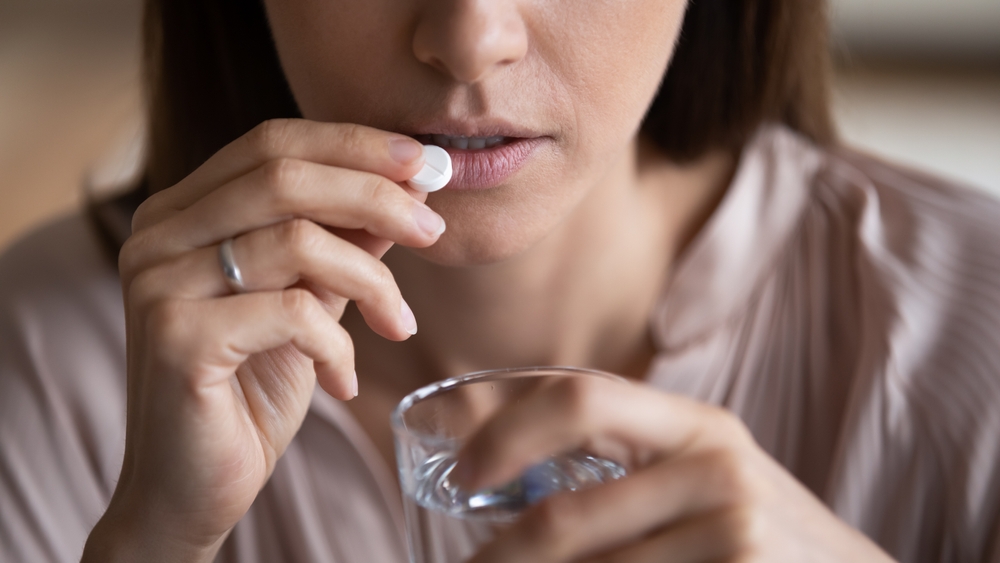
The Conversation That Surprised Me A few years ago, I had a patient named Greg who’d been on escitalopram (Lexapro)


You’re Not Meant to Go Through Life Alone In our increasingly connected yet often isolating world, you might sometimes feel