

Leaky Gut and Depression: Testing for Intestinal Barrier Function

What Is Leaky Gut and Why It Matters for Mental Health
Your intestinal lining acts as a selective barrier. It absorbs nutrients your body needs and keeps out harmful substances. When this barrier becomes weakened—often called “leaky gut” or increased intestinal permeability—undesirable particles can slip into the bloodstream.
For many people with persistent depression, anxiety, or symptoms that don’t fully respond to treatment, a compromised gut barrier may be part of the picture. When toxins and inflammatory molecules enter the bloodstream, they can reach the brain and trigger inflammation. This can disrupt neurotransmitters and affect mood, energy, focus, and resilience.
Research on intestinal permeability and mood is still early, but for some people, addressing gut health can be one helpful part of care.
Who Should Consider Gut Barrier Testing
This type of testing may be helpful for:
Patients
Ongoing depression or anxiety that hasn’t improved with treatment
Digestive issues such as bloating, irregular bowel habits, or discomfort
Autoimmune conditions
Multiple food sensitivities
Long-standing fatigue or inflammation
Healthcare Providers
Gut permeability testing is mainly a research tool; it may be considered in some patients with treatment-resistant psychiatric symptoms, especially when paired with autoimmune markers or chronic inflammation.
How Your Intestinal Barrier Normally Works
Your gut lining is made of a single layer of cells held together by tight junctions. These junctions open and close to control what enters the bloodstream.
They allow:
Vitamins and minerals
Amino acids
Water and electrolytes
Helpful compounds from gut bacteria
They block:
Harmful bacteria
Toxins
Undigested food proteins
Chemicals that may trigger inflammation
This barrier works closely with the blood-brain barrier, your immune system, your liver’s detoxification pathways, and the gut-brain communication network. When all these systems work together, digestion, immunity, and mental health remain balanced.
What Happens When the Gut Becomes “Leaky”
When tight junctions loosen, larger particles can pass through. This can trigger:
Physical effects:
Immune activation
Chronic inflammation
Food sensitivity development
Nutrient deficiencies
Increased toxin absorption
Mental health effects:
Neuroinflammation
Changes in serotonin, dopamine, and GABA
Heightened stress response
Worsening anxiety or mood symptoms
Fatigue, brain fog, or cognitive changes
A simple way to visualize it:
Your gut barrier works like airport security. When it’s strong, only approved items get through. When it’s weakened, “unauthorized passengers” slip past the checkpoint and create problems throughout the body—including the brain.
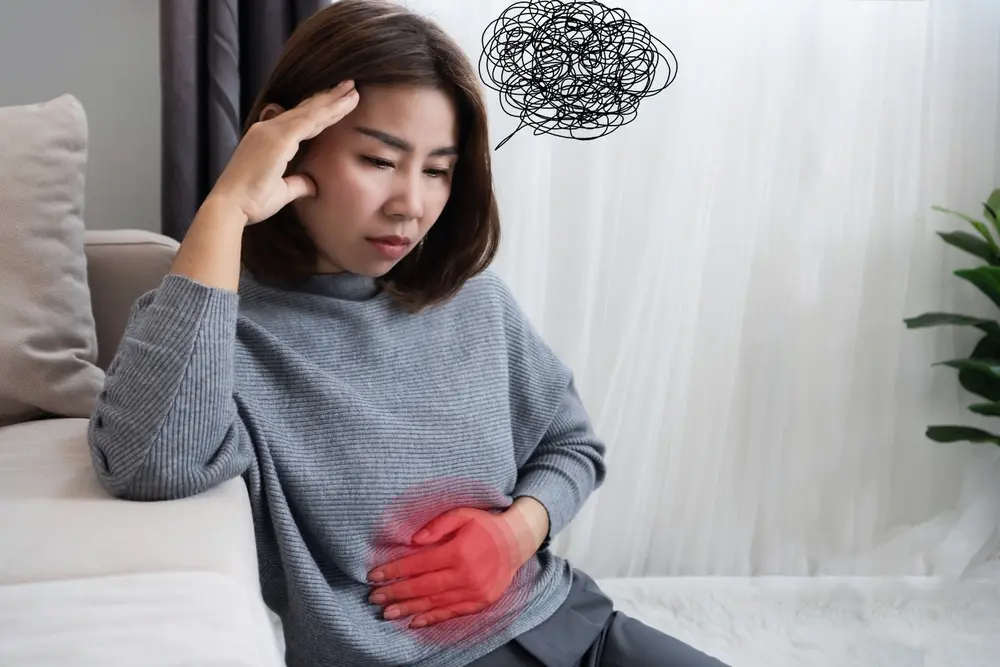
How Gut Permeability Affects Mental Health
A weakened gut barrier can set off a chain reaction that affects the brain:
More toxin absorption: Harmful bacterial particles enter the bloodstream.
Immune activation: The body responds with inflammation.
Systemic inflammation: Cytokines circulate throughout the body.
Neuroinflammation: Inflammatory molecules reach the brain.
Neurotransmitter disruption: Serotonin, dopamine, and GABA may be affected.
Mental health symptoms: Depression, anxiety, and cognitive difficulties may worsen.
Gut permeability can also contribute to autoimmune activity, further fueling inflammation that impacts mental health.
The Stress–Permeability Cycle
Stress is one of the strongest drivers of gut permeability. It can create a loop:
Stress hormones weaken tight junctions
Weakened junctions lead to inflammation
Inflammation increases stress sensitivity
Higher stress sensitivity further damages the barrier
Breaking this cycle often helps patients feel more stable mentally and physically.
Common Triggers of Gut Barrier Breakdown
Many factors can increase gut permeability:
Dietary:
Processed foods
Additives and preservatives
Excess sugar
Alcohol
Gluten in sensitive individuals
Medications and infections:
NSAIDs
Antibiotics
PPIs
GI infections (bacterial or viral)
Lifestyle and environment:
Chronic stress
Poor sleep
Overtraining
Pesticides
Heavy metals
Food additives
Reducing triggers is a foundational step in restoring gut integrity.
Lactulose/Mannitol Test: The Most-Studied Permeability Test
This test measures how well your intestinal barrier is working by tracking how two types of sugars move through your gut.
How the test works:
You drink a solution containing lactulose (a large sugar) and mannitol (a small sugar).
A healthy gut absorbs mannitol but keeps lactulose out.
You collect urine for several hours.
The lab measures how much of each sugar appears in the sample.
The ratio between the two shows the level of permeability.
What the results may indicate:
Normal ratio: Tight junctions are functioning well.
Borderline ratio: Mild permeability; may worsen during stress or illness.
Elevated ratio: Gut lining is allowing larger molecules to pass through.
Significantly elevated: Suggests increased permeability, which is seen in some digestive and inflammatory conditions.
This test is used mostly in research, and results can vary with the lab method, recent illness, medications and alcohol.
What Your Lactulose/Mannitol Results Mean for Mental Health
Gut permeability may influence brain function and mood. Cutoffs differ between labs, and no ratio has been validated to diagnose or guide treatment of a mental health condition. Broadly:
Normal Ratio (around 0.01–0.03):
Gut barrier appears intact.
Mood symptoms may be related to other factors.
Borderline Elevation (0.03–0.07):
May reflect mild or temporary changes in permeability.
Supportive gut treatments may still help.
Moderate Elevation (0.07–0.15):
May be associated with inflammation.
Worth discussing alongside any digestive symptoms.
Gut healing becomes part of the mental health plan.
High Elevation (>0.15):
Suggests increased permeability; look for digestive causes.
Should prompt a standard medical evaluation, such as for celiac disease or inflammatory bowel disease.
Requires focused gut barrier support and monitoring.
Whether improving permeability improves mood has not been established in clinical trials.
Zonulin Testing — Measuring the “Gatekeeper” of Gut Permeability
Zonulin is a protein involved in regulating the junctions in the gut lining. However, commercial serum zonulin assays are unreliable: studies have found that the most widely used kit does not actually measure zonulin.
Two ways to measure zonulin:
Blood test: Marketed as showing circulating zonulin levels; not reliable for clinical decisions.
Stool test: Marketed as reflecting zonulin in the gut; also not validated.
How labs report levels (not validated for diagnosis):
Normal: Tight junctions are regulating normally.
Mildly elevated: Early or intermittent barrier disruption.
Moderately elevated: Reported as increased permeability.
Significantly elevated: Reported as marked barrier dysfunction.
Zonulin testing should not be used to diagnose gluten sensitivity or inflammation-driven permeability.
What Elevated Zonulin May Mean for Mental Health
In research, higher zonulin has been studied in relation to:
Increased inflammation
Neuroinflammation
Disrupted neurotransmitter balance
Worsening depression or anxiety
Brain fog and cognitive shifts
Greater sensitivity to stress
These associations are early findings, and we do not use zonulin levels to guide mental health treatment.
Additional Testing Options for Gut Barrier Assessment
Gut permeability rarely exists on its own. These tests can give a broader picture:
Comprehensive Stool Analysis (with barrier markers):
Calprotectin
Beta-defensin-2
Eosinophil protein X
Secretory IgA
Microbial balance and digestion markers
Food Sensitivity Testing:
IgG or IgA panels
Not recommended: IgG to foods mainly reflects normal exposure, and allergy organizations advise against using these panels to diagnose food intolerance
A supervised elimination diet or allergist testing is the better approach
Organic Acids Test:
An investigational urine test, not validated for diagnosis, marketed for markers linked to:
Dysbiosis
Yeast or mold overgrowth
Detoxification issues
Systemic inflammation
Standard tests (such as calprotectin and infection testing) are the most useful; the others are optional and investigational.
Connecting Test Results to Mental Health Patterns
Gut permeability often shows characteristic patterns depending on the symptoms a person is experiencing.
High permeability + treatment-resistant depression:
Chronic inflammation is often present.
Gut care can run alongside medication; it is not a reason to delay treatment.
High permeability + anxiety:
Frequently seen with food sensitivities and histamine reactivity.
Some people notice improvement when clear triggers are removed.
High permeability + brain fog or poor concentration:
May reflect inflammation, though this is not proven.
Some people notice changes within weeks to months.
High permeability + mood swings:
May reflect changes in inflammation, among many other causes.
Mood swings always need a full psychiatric evaluation, including screening for bipolar disorder.
These patterns are clinical observations, not established diagnostic rules.
Clinical Example — How Gut Healing Can Shift Mental Health
A 31-year-old woman with long-standing depression and food sensitivities had a lactulose/mannitol ratio of 0.18 and elevated zonulin. After four months of gut-focused nutrition and an elimination diet, along with her ongoing psychiatric care, her digestive symptoms and mood improved. One patient’s experience does not predict another’s.
For some people, treating digestive problems alongside standard mental health care is helpful.
How Leaky Gut Leads to Food Sensitivities
When the gut lining becomes more porous, larger food particles can slip into the bloodstream before they’re fully broken down. The immune system sees these particles as threats and reacts to them.
This can create two types of responses:
Immediate reactions (IgE):
Quick symptoms like hives, swelling, or digestive distress
Easy to connect to specific foods
Less commonly tied to mood symptoms
Delayed reactions (IgG/IgA):
Subtle inflammation that appears hours or days later
Often involves several foods at once
Food-specific IgG mainly reflects normal exposure to foods, not intolerance, and has not been shown to explain mood symptoms
Food reactions that cause digestive symptoms can affect sleep, energy and comfort, which can influence emotional health.
Why Food Sensitivities Can Affect Mood
Food-related inflammation doesn’t stay in the gut. It can travel through the bloodstream and affect the nervous system.
Common pathways include:
Cytokines increasing anxiety or low mood
Histamine buildup creating irritability or panic
Blood-brain barrier strain, a hypothesis still being studied
Nutrient depletion (B vitamins, magnesium, zinc) affecting mood regulation
This is why many people feel anxious, foggy, or irritable after eating trigger foods — even if digestion seems normal.
Common Food Triggers Linked to Mental Health Symptoms
Certain foods tend to worsen symptoms when the gut barrier is compromised.
Gluten:
Can raise zonulin levels
Often linked to brain fog, low mood, and anxiety
Non-celiac gluten sensitivity exists, but celiac disease should be ruled out first with a standard blood test (tTG-IgA) before removing gluten
Dairy:
Casein proteins can trigger inflammation
May cause mood swings or irritability
Lactose intolerance does not rule out casein sensitivity
High-histamine foods:
Wine, aged cheeses, fermented foods, cured meats
Can trigger anxiety, headaches, insomnia, or flushing
Processed food additives:
Emulsifiers, preservatives, artificial dyes
Can irritate the gut lining
Often linked to irritability and attention changes
Identifying personal triggers can lead to meaningful improvements in mood stability and cognitive clarity.
How to Identify Your Trigger Foods — A Simple Step-by-Step Plan
The most reliable way to uncover food sensitivities is a structured elimination and reintroduction plan.
Phase 1: Elimination (3–4 weeks)
Remove foods most commonly associated with inflammation:
Gluten
Dairy
Eggs
Soy
Corn
Nuts and peanuts (optional but helpful)
Shellfish
Processed foods
Alcohol
During this phase:
Eat whole foods
Track digestion, mood, sleep, and energy
Allow the gut barrier time to begin healing
Phase 2: Reintroduction (6–8 weeks)
Bring back foods one at a time, every 3–4 days:
Start with a small amount
Increase the portion gradually
Watch for reactions up to 72 hours later
Track changes in:
Mood
Anxiety
Concentration
Sleep
Digestive symptoms
Skin or inflammation
Phase 3: Personalization (ongoing)
Build a long-term eating pattern based on tolerance.
Reassess foods periodically as the gut heals.
Many people find that once the gut barrier improves, some previously problematic foods become tolerable again.
How Food Sensitivity Testing Fits In (IgG, IgA)
IgG and IgA food panels are not recommended for diagnosing food sensitivity. Allergy organizations advise against them because food IgG mainly reflects normal exposure and tolerance.
IgG Testing:
Reflects exposure to foods you eat, not intolerance
Can lead to unnecessary food restriction
Results don’t always match symptoms, so clinical interpretation is important
IgA Testing:
Not validated for food sensitivity or mood symptoms
Should not be used to decide which foods to remove
Not offered by all labs
How we use these tests:
We rely on your history and a supervised elimination diet
We refer to an allergist when a true allergy is possible
We check for celiac disease with standard testing when gluten is suspected
Your personal response to food, tracked carefully, remains the most important part of the assessment.
Patient Perspective — A Simple Way to Think About Food Sensitivities
Think of the process like detective work. Standard lab tests can rule out medical causes, but the clearest answers come from watching how your body responds when foods are removed and reintroduced.
Most people discover that a small number of foods account for a large share of their symptoms.
Once those triggers are identified, some people feel better. Restrictive diets should be supervised, especially for anyone with a history of disordered eating.
Key Nutrients That Help Repair the Gut Barrier
Certain nutrients play a central role in helping the intestinal lining heal. When levels are low, the gut has a much harder time repairing itself.
L-Glutamine — Fuel for Gut Cells
Main energy source for intestinal cells
Supports tight junction repair
Evidence in mental health is limited
How it’s used: Typically taken daily in divided doses. Some people start low and increase slowly if they’re sensitive.
Zinc — Essential for Tight Junction Strength
Helps rebuild the proteins that hold intestinal cells together
Low levels are associated with increased permeability
Common forms: Zinc carnosine or zinc picolinate
Note: Long-term zinc should be balanced with copper testing.
Omega-3 Fatty Acids — Core Anti-Inflammatory Support
Reduce inflammatory cytokines that damage gut lining
Support brain health and mood
Therapeutic use: Usually requires consistent daily intake for 4–6 weeks to notice improvements.
Vitamin D — Regulates Immune and Gut Function
Helps maintain healthy tight junctions
Supports balanced immune activity
Clinical note: Most labs consider below 20 ng/mL deficient and 20–30 ng/mL insufficient; your clinician sets a target based on your results and health. The NIH upper limit for adults is 4,000 IU/day; higher doses only under a clinician with blood monitoring. Check with your clinician before starting any supplement, especially if you take psychiatric medication, are pregnant or breastfeeding.
Additional Nutrients That Support Gut Healing
Beyond foundational nutrients, certain compounds help soothe, rebuild, and protect the gut lining.
Collagen & Bone Broth
Provide amino acids needed for tissue repair
Support the rebuilding of the intestinal barrier
Many people find bone broth easier to tolerate during healing
Quercetin
Helps calm inflammation
Supports mast cell stability, useful for histamine-related symptoms
Often paired with bromelain to improve absorption
Curcumin
Has anti-inflammatory effects in studies
Curcumin supplements can affect the liver and interact with anticoagulants (blood thinners)
Enhanced-absorption forms (liposomal or with piperine) raise blood levels and may increase interaction risk; check with your clinician first
Soothing Botanicals (Slippery Elm, Marshmallow Root)
Provide natural mucilage that coats and protects the gut
Gentle and generally well-tolerated
Often used in multi-ingredient gut repair formulas
Probiotics That Support Gut Barrier Function
Certain probiotic strains have been shown to help strengthen the gut lining and reduce inflammation.
Lactobacillus plantarum
Helps tighten the junctions between intestinal cells
Reduces markers of permeability in research studies
Produces compounds that support a healthy gut environment
Bifidobacterium infantis
Helps calm inflammation
Particularly useful for IBS and sensitivity-related symptoms
May help bloating; evidence for mood is early
Saccharomyces boulardii
A beneficial yeast (not a bacteria)
Supports gut immunity
Especially helpful after antibiotics or in cases of dysbiosis
Spore-Based Probiotics
Resist stomach acid better than many traditional strains
Helpful for people with significant dysbiosis or sensitivity
Can be introduced slowly if a patient is reactive
Dietary Strategies for Healing the Gut Barrier
Food is one of the most practical tools for supporting gut health. The goal is to reduce irritation, lower inflammation, and give the gut time to rebuild.
Foods to Remove (Short-Term)
Highly processed foods
Sugary products
Artificial additives and emulsifiers
Gluten (especially if sensitive)
Dairy (if casein-sensitive)
Alcohol (can directly irritate the gut lining)
Personal trigger foods identified through a supervised elimination diet
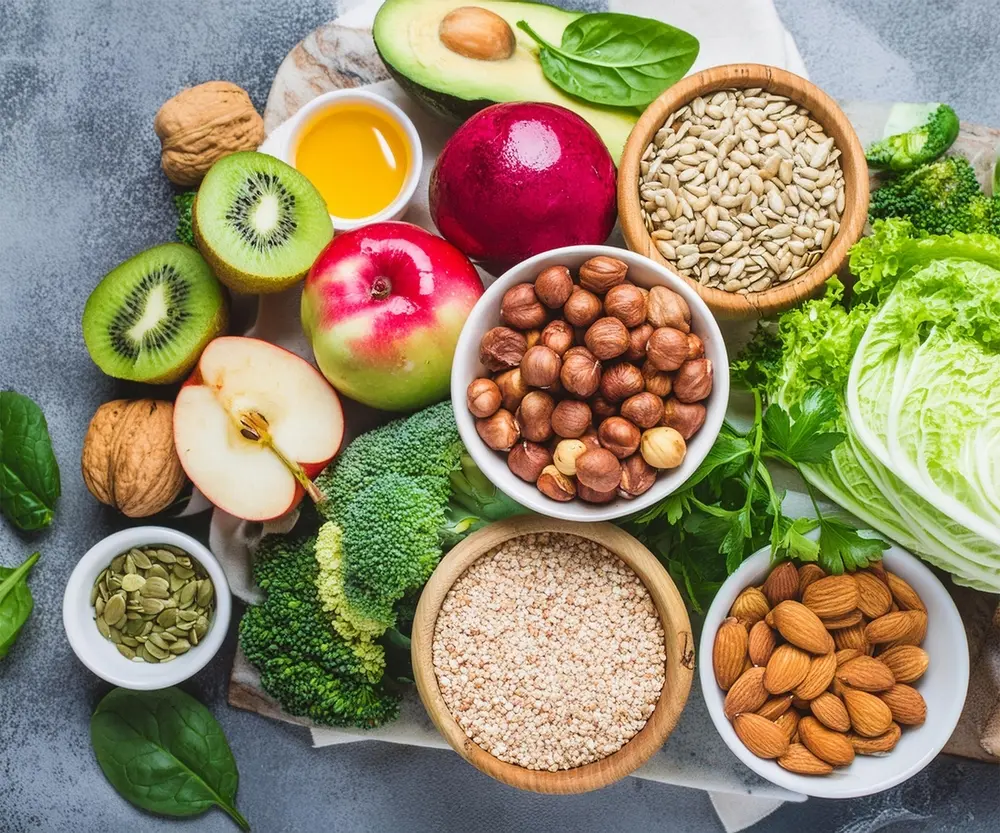
Foods That Help Heal the Gut
Bone broth
Fermented vegetables (if tolerated)
Coconut oil (gentle antimicrobial support)
Wild-caught fish
Cooked vegetables
Colorful fruits and vegetables rich in antioxidants
Therapeutic Diet Options
GAPS Diet:
Focuses on gut-soothing foods and easy-to-digest nutrients
Often used for complex gut-brain conditions
Tends to require long-term commitment
Autoimmune Protocol (AIP):
Removes foods most likely to trigger autoimmune reactions
Helpful for people with autoimmune disorders or severe inflammation
Involves a structured reintroduction phase
What to Expect While Healing
Many people feel better within 4–6 weeks
Timelines vary, and there is no validated way to confirm “full repair”
Symptom improvements usually begin with better digestion, followed by more stable mood and energy
How Stress Affects Gut Healing
Chronic stress is one of the most powerful disruptors of the gut barrier. When stress hormones stay elevated, tight junctions weaken, inflammation rises, and symptoms worsen.
How Stress Impacts the Gut
Stress hormones may affect tight junction proteins
Stress shifts the body out of “rest and digest” mode
Inflammation increases throughout the body
Sleep becomes disrupted, slowing tissue repair
Evidence-Based Stress Support
Mindfulness Practices
Reduces inflammatory markers
Helps regulate the stress response
Even 10–20 minutes daily can create change
Gentle Yoga or Breath-Based Movement
Activates the parasympathetic nervous system
Supports better digestion and calm
Works best when practiced several times a week
Nervous System Regulation Tools
Slow breathing
Body scanning
Brief grounding exercises throughout the day
What to Expect
Most people notice early improvements (calmer digestion, better mood stability) within several weeks of consistent stress reduction.
The Role of Sleep in Gut Repair
Gut healing happens largely during sleep. When sleep is irregular or poor in quality, the gut lining cannot fully repair.
Why Sleep Matters
Tight junction repair increases during deep sleep
Immune function resets overnight
Mood-regulating brain chemicals are replenished
Stress responses calm down
Simple Ways to Improve Sleep
Aim for 7–9 hours nightly
Keep a consistent bedtime
Limit screens 1–2 hours before sleep
Keep the room cool and dark
Use gentle wind-down routines (reading, stretching)
Signs Sleep Is Improving
More stable mood
Better digestion
Fewer cravings
More consistent energy
Exercise That Supports Gut Healing
Movement helps the gut — but only when done in the right amount. Too much intensity can disrupt digestion, while gentle movement often improves it.
Beneficial Types of Exercise
Walking
Light cycling
Swimming
Restorative yoga
These support gut blood flow, stress reduction, and bowel regularity.
Exercise to Limit During Gut Healing
High-intensity interval training
Long-distance endurance workouts
Heavy weightlifting without recovery
Intense training on low sleep or high stress
General Guidelines
Choose moderate, consistent movement
Avoid training immediately after large meals
Pay attention to symptoms — they guide intensity
How Environmental Toxins Affect the Gut
Everyday toxins can weaken the gut lining. Reducing exposure gives the body a better chance to heal.
Common Gut Irritants
Harsh cleaning chemicals
Pesticides and herbicides
Plastics containing BPA or phthalates
Tap water contaminants (your local water report lists them)
Personal care products with parabens or sulfates
Simple Ways to Reduce Exposure
Use natural cleaning products
Choose organic produce when possible
Filter drinking and shower water
Store food in glass or stainless steel
Choose cleaner personal care products
Why This Matters
Less toxin load reduces inflammation and gives the gut lining a chance to repair more efficiently.
Tracking Gut Barrier Healing Over Time
Healing intestinal permeability is a process. Some improvements happen quickly, while others take several months.
What to Track at Home
Digestive Changes:
Bloating
Bowel movement patterns
Abdominal discomfort
Food tolerance
Mental Health Changes:
Mood stability
Anxiety levels
Cognitive clarity
Energy
Sleep quality
Physical Markers:
Skin clarity
Joint comfort
Sinus symptoms
Overall vitality
Repeat Testing
Many people repeat permeability testing after 3–6 months
Significant improvement is expected with consistent treatment
Even partial improvement often correlates with better symptoms
When to Adjust the Plan
No improvement after 8–12 weeks
New sensitivities appear
Symptoms worsen
Inflammation markers remain high
When Healing Is On Track
Steady improvement over 4–8 weeks
Easier digestion
More stable mood
Better energy
Clearer thinking
Better sleep

When to Consider Advanced Testing
Sometimes gut symptoms continue even after diet and lifestyle changes. When symptoms persist, standard medical evaluation comes first; some specialty tests are optional and investigational.
Useful Advanced Tests
Comprehensive Stool Testing
Screens for bacterial imbalance
Identifies inflammation
Checks for parasites, yeast, or hidden infections
Includes markers related to barrier function
Heavy Metal Testing
Blood testing is appropriate when there is a real exposure risk; urine “provocation” tests are not validated
Chelation is only for confirmed, significant heavy-metal poisoning managed by toxicology
Mold and Mycotoxin Testing
Urine mycotoxin tests are not validated for diagnosis
We treat them as investigational, not as a standard workup
Autoimmune Evaluation
Identifies antibodies that may point to coexisting autoimmune conditions
Useful when symptoms are severe or unpredictable
Hormone Testing
Thyroid, adrenal, and sex hormones influence gut repair
Imbalances can slow both physical and mental health recovery
When to Consider These Tests
Symptoms persist after 2–3 months of treatment
Mental health symptoms remain unchanged
New food sensitivities continue to develop
Labs show ongoing inflammation
How to Choose the Right Provider
Working with a practitioner skilled in the gut–brain connection can provide more coordinated guidance.
Provider Types with Relevant Training
Functional medicine physicians
Integrative gastroenterologists
Naturopathic doctors
Integrative psychiatrists
Registered dietitians with advanced gut training
Questions Patients Can Ask
How often do you treat gut–brain conditions?
What tests do you use for intestinal permeability?
How do you coordinate gut treatment with mental health care?
What kind of improvements should I expect, and in what timeline?
How do you track progress and adjust the plan?
What Providers Should Look For When Referring
Experience in psychiatric comorbidities
Willingness to communicate with mental health clinicians
Clear treatment protocols
Regular follow-up and reporting
Coordinating Gut and Mental Health Care
The best outcomes happen when gut and mental health providers work together.
What Patients Can Do
Share symptoms and updates with every provider
Keep a simple log of mood, digestion, and sleep
Ask providers to collaborate when needed
For Mental Health Providers
Recognize when gut issues may slow treatment progress
Monitor how gut-healing protocols affect mood and medications
Expect a gradual improvement curve (usually weeks to months)
For Gut Health Providers
Communicate test results with psychiatrists and therapists
Explain that any medication change is made only with the prescriber
Track both digestive and mental health shifts
Why Coordination Matters
Gut healing improves nutrient absorption
Lower inflammation can stabilize mood
Any medication adjustment is made by the prescriber, never on your own
Key Research Linking Gut Barrier Damage and Mental Health
Growing research connects intestinal permeability with depression, anxiety, and cognitive symptoms.
What the Science Shows
Inflammation + Mood
People with depression often show higher inflammatory markers
Some studies link these markers to gut permeability
Blood–Brain Barrier Changes
Ongoing inflammation can weaken the brain’s protective barrier
This allows inflammatory molecules to influence mood and cognition
Microglial Activation
Animal and early human studies suggest brain immune cells respond to gut-derived inflammation
This can contribute to anxiety, low mood, and fatigue
Autoimmune Connections
Increased permeability is being studied as a contributor to autoimmune activity
Autoimmune conditions are associated with higher rates of mood disorders
Clinical Patterns Seen in Practice
Depression that appears after digestive or autoimmune problems
Anxiety tied to food reactions or histamine issues
Cognitive fog that improves when gut barriers heal
Future Directions in Gut–Brain Medicine
The science is evolving fast. New tools are emerging that make gut–brain care more precise and personalized.
Promising Innovations
Genetic Insights
Identifying genes that influence barrier strength or inflammation
Microbiome Analysis
More accurate understanding of which bacteria help or harm the gut barrier
Postbiotics
Using the beneficial compounds bacteria produce, without the bacteria themselves
Precision Nutrition
Personalized diet plans based on microbiome and genetic data
New Therapeutics
Compounds designed to strengthen tight junctions
Targeted probiotics for mood support
Clinical Integration Trends
More standardized gut–brain treatment protocols
Increased provider training
Better validation of functional tests before routine use
Final Takeaways and What This Means for You
Caring for gut health can be one helpful part of care for people with chronic mental health symptoms. Research on whether improving permeability improves mood is still early.
Key Points to Remember
Leaky gut is an active research area; tests are mostly investigational
It may play a role in some cases of treatment-resistant depression and anxiety
Standard testing rules out digestive diseases; IgG and zonulin tests are not reliable
Diet and lifestyle are useful tools; check supplements with your clinician
Improvements build gradually over weeks to months
Coordinated care gives the best outcomes
For Patients
If you’ve been struggling with mood symptoms that don’t fully respond to treatment — especially alongside digestive issues or food sensitivities — a gut health evaluation alongside your mental health care may offer useful clues.
For Healthcare Providers
Addressing digestive health may help some patients who haven’t improved with standard mental health treatments alone.
The Bigger Picture
Gut and brain health are connected. Strengthening the gut barrier is a meaningful way to support long-term emotional resilience and overall well-being.
References
Fasano, A. (2020). All disease begins in the (leaky) gut: Role of zonulin-mediated gut permeability in the pathogenesis of some chronic inflammatory diseases. F1000Research, 9, 69.
Julio-Pieper, M., Bravo, J. A., Aliaga, E., & Gotteland, M. (2014). Review article: Intestinal barrier dysfunction and central nervous system disorders–a controversial association. Alimentary Pharmacology & Therapeutics, 40(10), 1187-1201.
Michielan, A., & D’Incà, R. (2015). Intestinal permeability in inflammatory bowel disease: Pathogenesis, clinical evaluation, and therapy of leaky gut. Mediators of Inflammation, 2015, 628157.
Camilleri, M. (2019). Leaky gut: Mechanisms, measurement and clinical implications in humans. Gut, 68(8), 1516-1526.
Vojdani, A. (2013). For the assessment of intestinal permeability, size matters. Alternative Therapies in Health and Medicine, 19(6), 12-24.
Mu, Q., Kirby, J., Reilly, C. M., & Luo, X. M. (2017). Leaky gut as a danger signal for autoimmune diseases. Frontiers in Immunology, 8, 598.
This information is for educational purposes and does not replace professional medical advice. Always work with qualified healthcare providers for intestinal permeability testing, diagnosis, and treatment planning.
The information provided on this blog is for educational and informational purposes only. It is not intended to be a substitute for professional medical advice, diagnosis, or treatment. Always seek the advice of your physician or other qualified health provider with any questions you may have regarding a medical condition.


A Message From Dr. Lewis If you’ve been struggling with depression or anxiety, I want you to know something important:

The Conversation That Surprised Me A few years ago, I had a patient named Greg who’d been on escitalopram (Lexapro)


You’re Not Meant to Go Through Life Alone In our increasingly connected yet often isolating world, you might sometimes feel