
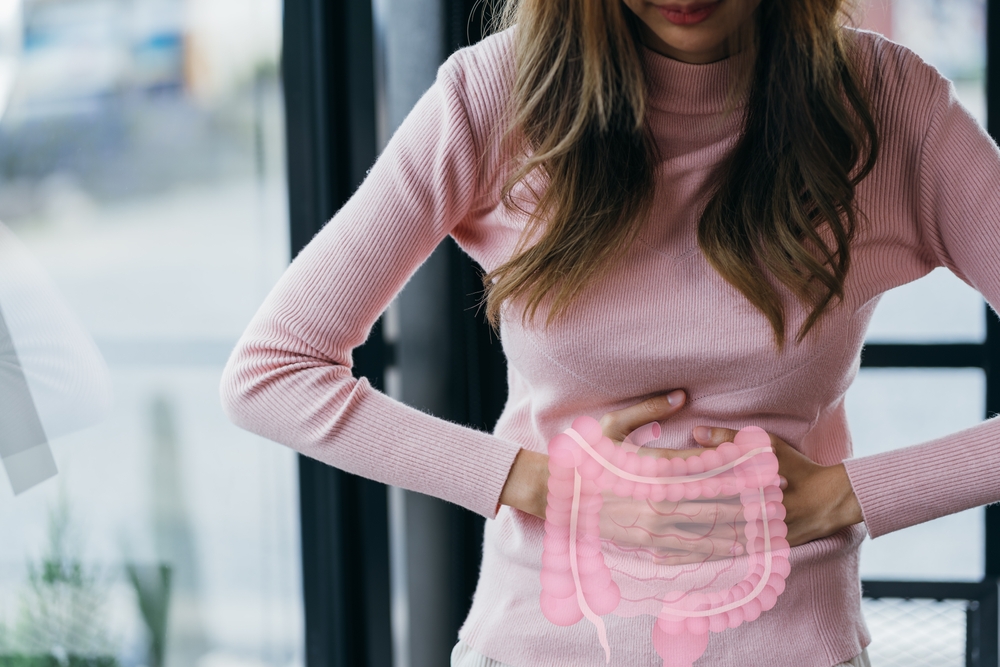

Is Your Gut Making You Feel Depressed?
You’ve probably heard the phrase “gut feeling”—but what if your gut is also behind your low mood? Researchers are finding more links between gut health and mental health, especially when it comes to a condition called leaky gut.
Let’s explore what leaky gut is, how it connects to depression, and what you can do to start feeling better.
What is “Leaky Gut”?
Inside your small intestine is a barrier made of tightly packed cells. Its job? Let nutrients in and keep bad stuff out—like toxins, bacteria, and large food particles. But sometimes this barrier becomes too loose or “leaky.” That lets unwanted things pass into your bloodstream, where they don’t belong. When that happens, your body reacts—and it can affect not just your digestion, but your brain and mood too.
“There is now compelling evidence that gut microbes can affect brain function and behavior, including anxiety and depression.”
— Dr. John Cryan, Neuroscientist, University College Cork [1]
The Gut–Brain Connection
Your gut and brain are constantly communicating through a superhighway called the gut-brain axis. This connection includes nerves (like the vagus nerve), hormones, and immune system signals. When things go wrong in the gut, those signals can ripple all the way up to your brain.
“Specific probiotics—what we call psychobiotics—show promise for reducing symptoms of depression and anxiety.”
— Dr. Ted Dinan, Psychiatrist, University College Cork [1]
Leaky Gut and Depression: What the Research Shows
Leaky Gut Is Linked to Depression
Some studies report that people with major depressive disorder (MDD) have higher levels of certain markers—like zonulin and antibodies to lipopolysaccharide (LPS)—that may suggest a weaker gut barrier. Results are inconsistent, and commercial serum zonulin assays are unreliable.
- Zonulin helps regulate the tight junctions in your gut, but a zonulin blood test is not a validated way to diagnose “leaky gut.”
- LPS is a toxin made by gut bacteria. Inside the gut, it’s harmless. But once it slips into your bloodstream, it causes serious inflammation.
“A subgroup of depressed patients show increased immune responses to LPS of gram-negative bacteria, indicating a leaky gut.”
— Dr. Michael Maes, Psychiatrist and gut-brain researcher [2]
Inflammation and Depression
When LPS and other toxins escape from your gut, they activate your immune system. This leads to inflammation and higher levels of cytokines like IL‑6 and TNF‑α—which are tied directly to depression.
“Pro-inflammatory cytokines have been shown to access the brain and interact with virtually every pathophysiologic domain known to be involved in depression.”
— Dr. Charles Raison, Professor of Psychiatry, University of Wisconsin–Madison [3]
In one study, healthy people were given a tiny amount of LPS. Their inflammation levels spiked—and so did feelings of sadness and social disconnection.
The Vicious Cycle
Inflammation can worsen gut leakiness, creating a feedback loop:
- Leaky gut → inflammation
- Inflammation → more gut damage
- And more leakiness → more inflammation
Inflammation also messes with your HPA axis, the stress system in your body. This can raise cortisol (a stress hormone), which is often elevated in anxiety and depression.
Blood-Brain Barrier Gets Leaky Too
Like your gut, your blood-brain barrier also has tight junctions. And guess what? If your gut barrier weakens, your brain barrier might, too. That allows inflammatory molecules and toxins into the brain, where they can affect focus, mood, sleep, and energy levels.
Real-World Evidence: Case Study Snapshots
Illustrative composite (not a real patient): Before: “Maya,” 34, has fatigue, anxiety, and frequent stomach pain. Standard labs show low B12 and vitamin D. Specialty gut markers are sometimes ordered, but they are not validated for diagnosing leaky gut or depression.
After: With her deficiencies corrected, dietary changes and ongoing care for her anxiety, she may feel better over several weeks. Results vary from person to person.
Illustrative composite: Before: “James,” 52, has a long history of depression and bloating.
After: Alongside his depression treatment, guided dietary changes and a trial of a studied probiotic strain may help some people like him; this is an add-on, not a replacement for treatment.
So… What Can You Do About It?
1. Check Your Diet
- Avoid: gluten, alcohol, and processed sugar.
- Eat: whole foods—veggies, fruits, legumes, healthy fats, and gluten-free grains.
2. Try Probiotics (Friendly Bacteria)
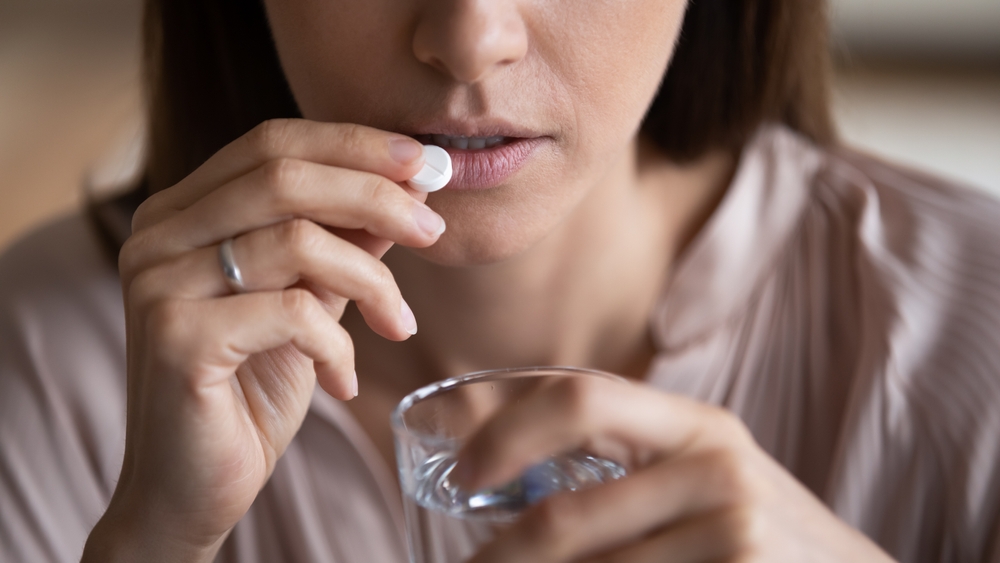
Probiotics are live microorganisms that may support gut health, and some trials suggest a modest benefit for mood. They are not a replacement for antidepressants:
- A 2024 review network meta-analysis suggested some probiotics may reduce depressive symptoms, but the trials were small and its comparison with antidepressants has been criticized [4].
- A 2022 trial found that a one-month probiotic added to antidepressant treatment improved depression symptoms in a small group of patients [5].
A small 2025 pilot trial explored how probiotics might work in depression; its findings are preliminary [6].
3. Include Prebiotics
These are fibers that feed good bacteria. Foods high in prebiotics include:
- Garlic, onions, leeks
- Asparagus, oats
- Cooked and cooled rice or potatoes
4. Get Key Nutrients
Many people with depression and gut issues have low levels of important vitamins and minerals, such as:
- Zinc, magnesium, selenium
- Iron, folate, B6, B12, D, E
Try to get these through food, but a multivitamin may help. Check with your clinician before starting any supplement, especially if you take psychiatric medication, are pregnant or breastfeeding.
5. Manage Stress
Stress increases gut leakiness. Support your body by:
- Practicing mindfulness or meditation
- Getting regular sleep
- Exercising daily
- Trying therapy or journaling
6. Consider Professional Guidance
If this feels overwhelming, you’re not alone. A licensed dietitian or functional medicine provider can help design a personalized plan. This might include:
- Stool and inflammation testing
- A supervised elimination and re-challenge diet (IgG food-sensitivity panels are not recommended; IgG reflects normal exposure to foods)
- Supplement support
- Long-term tracking
What Should You Do Now?
✅ Start Slowly
Pick just one habit—like taking a probiotic or cutting out soda.
✅ Choose a Good Probiotic
Look for strains studied in clinical trials, such as some Lactobacillus and Bifidobacterium strains, and ask your clinician which product fits you.
✅ Track Progress
Notice how your mood, digestion, and energy change. You can use a mood app or simple notes.
✅ Talk to Your Healthcare Provider
Especially if you’re on antidepressants, don’t make changes alone. Partnering with your doctor is key.
Final Thoughts
Research on gut barrier function and mood is growing. Increased gut permeability and inflammation may play a role in depression for some people, but “leaky gut” is not a standard diagnosis and much remains unproven.
Everyday steps like diet, sleep, stress management and, with your clinician’s input, probiotics may support gut health. A gut-first approach won’t replace therapy or medication, but it may enhance them and support your whole-body wellness.
Other Resources:
- BBC Future. How the bacteria inside you could affect your mental health. 2019. Read article
- Harvard Health Blog. Leaky gut: What is it and what does it mean for you? 2017. Read article
References
- Cryan, J. F., & Dinan, T. G. (2012). Mind-altering microorganisms: The impact of the gut microbiota on brain and behaviour. Nature Reviews Neuroscience, 13(10), 701–712. https://doi.org/10.1038/nrn3346
- Maes, M., Kubera, M., & Leunis, J.-C. (2008). The gut–brain barrier in major depression: Intestinal mucosal dysfunction with an increased translocation of LPS from gram‑negative enterobacteria plays a role in the inflammatory pathophysiology of depression. Neuroendocrinology Letters, 29(1), 117–124.
- Raison, C. L., Capuron, L., & Miller, A. H. (2006). Cytokines sing the blues: Inflammation and the pathogenesis of depression. Trends in Immunology, 27(1), 24–31.
- Zhao, S., Liang, S., Tao, J., et al. (2024). Probiotics for adults with major depressive disorder compared with antidepressants: a systematic review and network meta-analysis. Nutrition Reviews, 83(1), 72–82. https://doi.org/10.1093/nutrit/nuad171
- Schaub, A.-C., Schneider, E., Vazquez-Castellanos, J. F., et al. (2022). Clinical, gut microbial and neural effects of a probiotic add-on therapy in depressed patients: a randomized controlled trial. Translational Psychiatry. https://doi.org/10.1038/s41398-022-01977-z
Nikolova, V. L., Cleare, A. J., Young, A. H., et al. (2025). Exploring the mechanisms of action of probiotics in depression: Results from a randomized controlled pilot trial. Journal of Affective Disorders. https://doi.org/10.1016/j.jad.2025.01.153
The information provided on this blog is for educational and informational purposes only. It is not intended to be a substitute for professional medical advice, diagnosis, or treatment. Always seek the advice of your physician or other qualified health provider with any questions you may have regarding a medical condition.

A Message From Dr. Lewis If you’ve been struggling with depression or anxiety, I want you to know something important:
The Conversation That Surprised Me A few years ago, I had a patient named Greg who’d been on escitalopram (Lexapro)


You’re Not Meant to Go Through Life Alone In our increasingly connected yet often isolating world, you might sometimes feel