
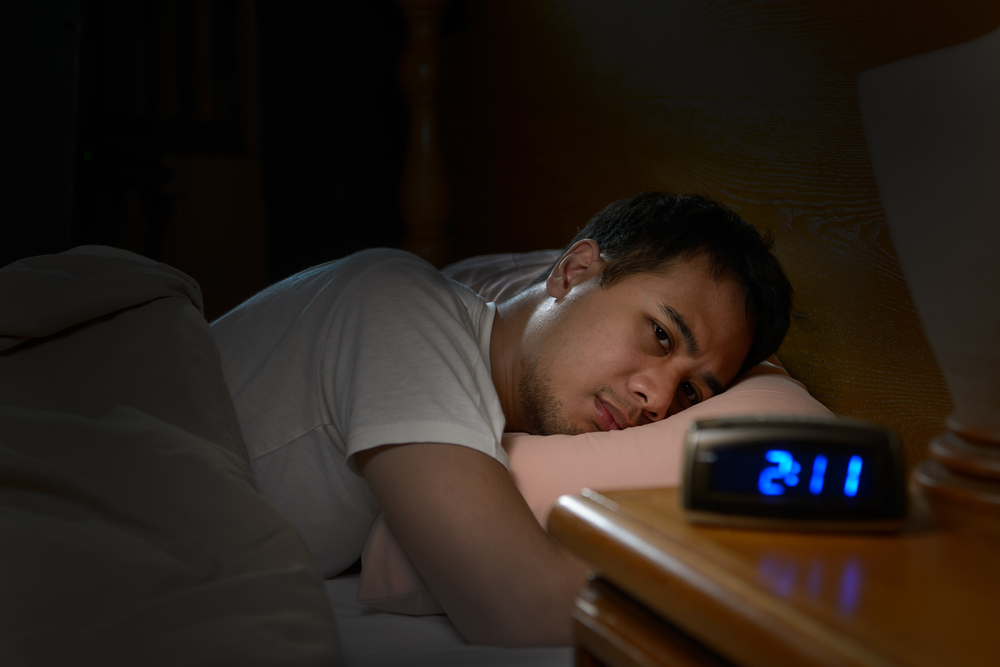

Here’s something that surprises people.
When you are depressed, sleep is not just a symptom. For many people, it is part of the engine.
Most of us were taught to think of depression like a mood problem that then “causes” insomnia. Sometimes that is true. But the relationship also runs the other direction. Poor sleep can increase the risk of developing depression, and it can keep depression from fully resolving. (ScienceDirect)
That is why, in my integrative psychiatry framework, sleep is not an add on. It is foundational treatment.
Let’s break down what is happening, why it matters, and what a real plan looks like.
Why sleep changes your brain faster than you think
Sleep is when your brain recalibrates. It is when emotional circuits cool down, stress hormones shift, and memory and learning get processed in the background.
When sleep is disrupted, a few predictable things happen:
Your threat system gets louder
Your emotional bandwidth shrinks
Rumination becomes stickier
Energy drops, even if you technically slept “enough”
Your body feels heavier and more inflamed
In other words, the exact internal state that makes depression feel worse becomes more likely.
This is why treating insomnia can sometimes create a noticeable mood shift before anything else changes.
Insomnia is not just “bad sleep”
Clinically, insomnia is persistent difficulty falling asleep, staying asleep, or waking too early, with daytime impairment.
The key point is persistence. Everyone sleeps badly sometimes. Insomnia is when the struggle becomes a pattern, and the pattern starts shaping your nervous system.
If you are lying in bed bracing for another bad night, your brain learns to associate bed with frustration and hyperarousal. That conditioning is one of the reasons insomnia tends to stick around unless you treat it directly.
Insomnia can predict depression, not just accompany it
One of the most important findings in sleep psychiatry is that insomnia can show up before depression, and it can raise risk over time.
A meta analysis of longitudinal studies found that insomnia significantly predicts the development of depression. (ScienceDirect)
This is also why sleep is such a powerful leverage point. When you treat insomnia, you are not only reducing fatigue. You are reducing a driver.
The most effective insomnia treatment is not what most people expect
If you have been offered sleeping pills as the first move, you are not alone. But the evidence based first line treatment for chronic insomnia is cognitive behavioral therapy for insomnia, CBT I.
The American College of Physicians guideline recommends CBT I as first line treatment for adults with chronic insomnia disorder. (American College of Physicians)
CBT I is not generic CBT. It is a structured protocol that changes behaviors and thought patterns that maintain insomnia, and it helps retrain the sleep system.
CBT I can improve depression too
Here is where it gets especially relevant for this depression series.
An updated systematic review and meta analysis focused on CBT I for major depressive disorder reports that CBT I has efficacy for insomnia and also improves depressive symptoms. (ScienceDirect)
That does not mean sleep treatment replaces depression treatment. It means sleep treatment can be one of the most direct ways to shift the biology underneath depression.
What a foundational sleep plan looks like in integrative psychiatry
When someone is depressed and sleep is off, I want a plan that is both practical and targeted. Not a list of sleep hygiene tips that you already know.
Step 1: make sure we are not missing a sleep disorder
Insomnia can be primary, but it can also be driven by conditions like:
Sleep apnea
Restless legs syndrome
Circadian rhythm mismatch
Medication effects
Alcohol or cannabis effects
If you snore loudly, wake up gasping, have morning headaches, or feel unrefreshed no matter how long you sleep, sleep apnea deserves consideration.
Step 2: choose CBT I as the backbone when insomnia is persistent
CBT I commonly includes:
A consistent wake time
Sleep restriction therapy, which is a controlled way to consolidate sleep, not sleep deprivation
Stimulus control, which retrains bed to mean sleep, not struggle
Cognitive strategies that reduce the anxiety spiral about sleep
This can be done with a trained clinician, and in some cases through validated digital programs depending on availability and fit.
Step 3: use light and timing to support circadian rhythm
Your brain runs on timing signals. Light is the strongest one.
Morning light exposure helps anchor your circadian rhythm and can improve sleep drive later. Evening light reduction helps melatonin rise naturally.
This is one of the simplest interventions that actually changes sleep biology.
Step 4: protect sleep from the most common disruptors
These are not moral judgments. They are physiology.
Late caffeine
Alcohol close to bedtime, even if it makes you fall asleep faster
Cannabis if it is impacting REM and deep sleep quality
Scrolling in bed, which trains your brain to be alert in the sleep environment
Step 5: coordinate sleep treatment with depression treatment
If depression is moderate to severe, sleep treatment is foundational, but it may not be sufficient on its own. Evidence based depression care often includes psychotherapy, medication, or both, matched to severity and history. (NICE)
The clinical point is this: you do not have to choose between treating sleep and treating depression. Treating sleep is part of treating depression.
What improvement can look like
When sleep begins to consolidate, people often notice:
Less morning dread
Less irritability
More emotional stability
Slightly more motivation
A little more ability to tolerate stress
These changes can be subtle at first. But they compound. Better sleep makes it easier to move your body, eat more steadily, engage in therapy, and follow through on medication plans if those are part of your care.
Key takeaways
Sleep is not just a symptom in depression. It is often a driver. (ScienceDirect)
CBT I is a first line treatment for chronic insomnia in adults. (American College of Physicians)
CBT I can improve depressive symptoms, including in people with major depressive disorder. (ScienceDirect)
A real sleep plan includes screening for sleep disorders, circadian timing support, and structured follow up, not only sleep hygiene tips.
Treating sleep and treating depression should happen together, not in competition. (NICE)
Frequently asked questions
If I am depressed, should I treat depression first or insomnia first?
Often both. If insomnia is persistent, treating it directly can improve mood and make the rest of the depression plan work better. (ScienceDirect)
What if I am exhausted but cannot sleep?
That is one of the classic insomnia patterns. It often reflects hyperarousal, not lack of tiredness. CBT I is designed for exactly this, because it targets the behaviors and conditioning that keep the system stuck. (American College of Physicians)
Are sleeping pills bad?
Not automatically. Sometimes short term medication is appropriate. The key is that guidelines recommend CBT I as first line, with medication decisions made thoughtfully based on risks, benefits, and individual context. (American College of Physicians)
How long does CBT I take?
Many CBT I protocols are time limited, often delivered over weeks. The goal is durable change in sleep patterns, not temporary sedation.
Coming up next
In the next post, we will talk about inflammation and depression, what the evidence actually supports, what is still uncertain, and how to think about labs without turning your health into a scavenger hunt.
Disclaimer
This article is for educational purposes only and is not a substitute for personalized medical advice. If you are in crisis or feel unsafe, seek urgent help immediately.
References (APA)
Baglioni, C., Battagliese, G., Feige, B., Spiegelhalder, K., Nissen, C., Voderholzer, U., Lombardo, C., & Riemann, D. (2011). Insomnia as a predictor of depression: A meta analytic evaluation of longitudinal epidemiological studies. Journal of Affective Disorders, 135(1–3), 10–19. https://doi.org/10.1016/j.jad.2011.01.011 (ScienceDirect)
National Institute for Health and Care Excellence. (2022). Depression in adults: Treatment and management (NICE Guideline NG222). https://www.nice.org.uk/guidance/ng222 (NICE)
Qaseem, A., Kansagara, D., Forciea, M. A., Cooke, M., Denberg, T. D., & Clinical Guidelines Committee of the American College of Physicians. (2016). Management of chronic insomnia disorder in adults: A clinical practice guideline from the American College of Physicians. Annals of Internal Medicine, 165(2), 125–133. https://www.acponline.org/sites/default/files/acp-policy-library/guidelines/management_of_chronic_insomnia_2016.pdf (American College of Physicians)
Wu, J. Q., et al. (2024). Cognitive behavioral therapy for insomnia to treat major depressive disorder: An updated systematic review and meta analysis. Journal of Affective Disorders. https://www.sciencedirect.com/science/article/pii/S0165032724014952 (ScienceDirect)
The information provided on this blog is for educational and informational purposes only. It is not intended to be a substitute for professional medical advice, diagnosis, or treatment. Always seek the advice of your physician or other qualified health provider with any questions you may have regarding a medical condition.

A Message From Dr. Lewis If you’ve been struggling with depression or anxiety, I want you to know something important:

The Conversation That Surprised Me A few years ago, I had a patient named Greg who’d been on escitalopram (Lexapro)


You’re Not Meant to Go Through Life Alone In our increasingly connected yet often isolating world, you might sometimes feel