
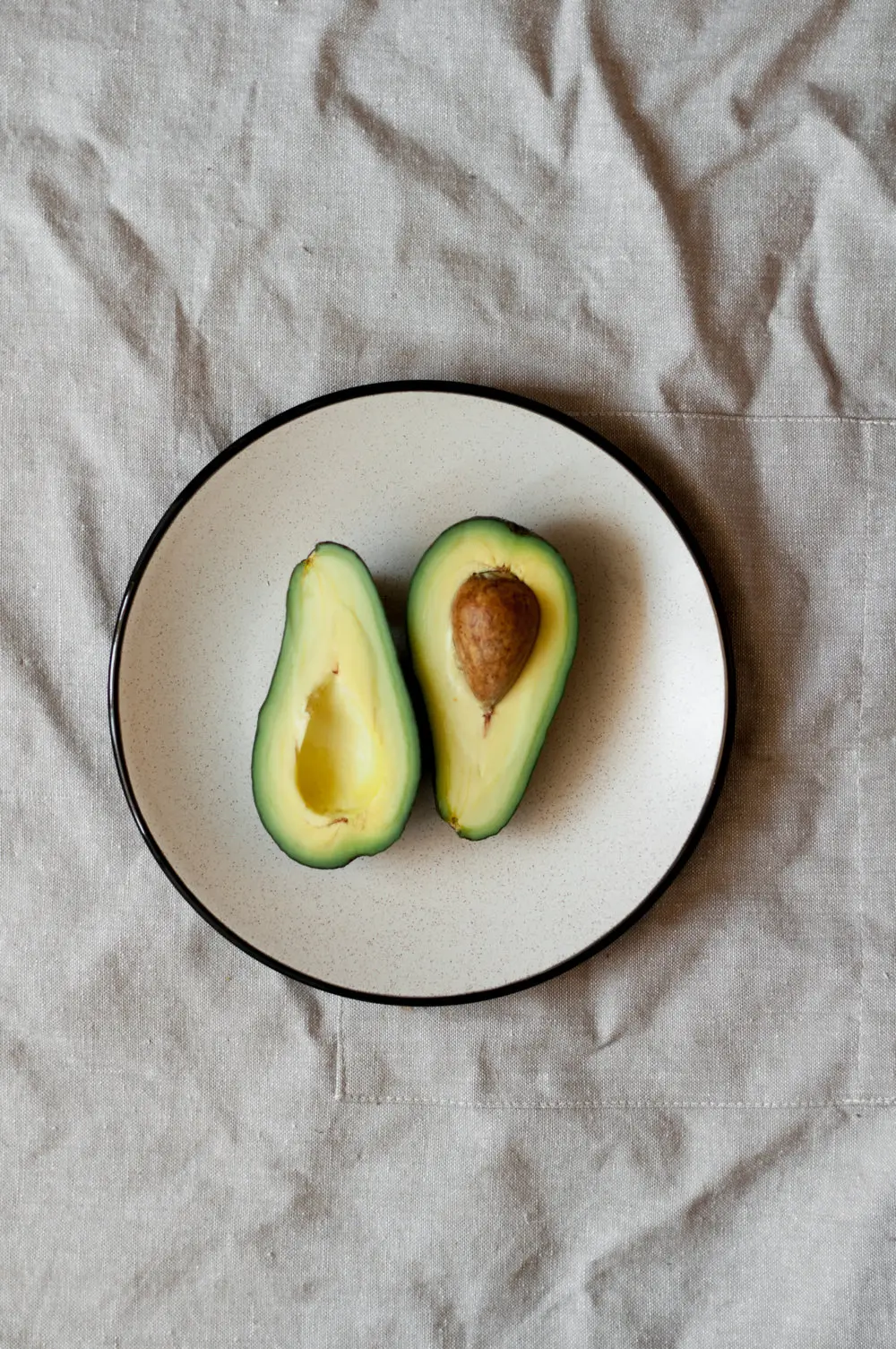

Today’s health and nutrition landscape has given rise to a seemingly endless list of diets to choose from: weight loss, detox, intermittent fasting, paleo, low- fat, high- fat, low- carb and many more. It seems like every time we turn on the TV or look at a magazine, there’s another new diet promising “real results.” From pills, to berries, to shakes and meal plans, we are sold ideas about weight loss that are quite confusing and overwhelming.

Research shows that limiting carbohydrate intake and eating healthy fats, along with good portions of fruits and vegetables, can help many people lose weight, with long-term results similar to other diets people can stick with. Unsurprisingly, many find it difficult to heed this advice since it sits in stark contrast to the messaging we’ve received for decades: that fat is bad and should be avoided at all cost.
We have started to see this philosophy break down in the face of research showing us just how important fats are for our overall health. Very low-fat diets are not necessary for good health, and healthy fats are an important part of a balanced diet. The type of fat matters, though. Saturated fat raises LDL (“bad”) cholesterol, and replacing saturated fat with unsaturated fats, such as those in olive oil, nuts, avocados and fish, lowers LDL and cardiovascular risk. That is why heart-health guidelines still advise limiting saturated fat. Food quality matters too: whole, minimally processed foods are a better foundation than processed meats and refined products. An egg from a conventional hen compared to a truly pasture raised hen that eats grass and bugs can have a somewhat different fatty-acid profile.
The low carb high fat (LCHF) diet has emerged as more and more people turn away from simple carbs. It can be done in a heart-healthy way by choosing mostly unsaturated fats.
HOW IT WORKS
The science behind the concept of eating more fat and less carbohydrates is quite sound. You see, fat is very satiating, so you become fuller more quickly than you do with carbohydrates. Thus, while fat has more calories per gram than carbohydrates, you will end up eating less of it. Have you ever noticed yourself mindlessly finishing an entire bag of chips before you realize what happened? That’s because you can eat a lot of carbohydrates before ever feeling ‘full’! It’s not quite as easy as you may imagine to eat an entire jar of nut butter!
Carbohydrates get broken down into glucose before being released into the bloodstream. If the carbs are “simple”- things like white bread, candy, and fruits- they get broken down very quickly and cause a spike in blood sugar levels. More complex carbs like brown rice and whole wheat pasta take longer to break down and result in a more gradual rise in blood sugar. In both cases, the pancreas will release insulin in response to rising blood sugar. Insulin binds to cells in the body which enables glucose to enter. As you might infer, when we eat a large amount of simple carbs, we experience a spike in blood glucose levels followed by a “sugar crash” once insulin gets released by the pancreas, cells take in glucose, and blood glucose levels drop back off. You may suddenly feel hungry again because simple carbs like sugar and white bread get broken down by our bodies very quickly and because insulin stimulates our appetite.
When we consume large amounts of sugar over longer periods of time, the cells in our body become less sensitive to insulin and we run the risk of developing type II diabetes. It’s as if the cells get tired of the insulin constantly knocking at the door and they become less responsive to it. Insulin resistance causes the release of even more insulin into the bloodstream to try and control the blood glucose levels, which puts a strain on the pancreas. When our body can no longer keep blood glucose levels within normal range, Type II Diabetes has set in. Avoiding refined carbohydrates will help keep our bodies out of this cycle and keep Type II Diabetes at bay.
So that is the carbohydrate piece of the LCHF diet. The fat piece – consuming foods with high fat content – will cause the body to switch from burning carbs to burning both the fat you consume and your stored fat as a primary fuel source.
ADAPTATION PHASE
When starting the LCHF diet, it is common to go through a withdrawal phase. Sugar causes the release of dopamine because our brain perceives it as a good thing and triggers the reward pathway. Sugar goes in, feel-good brain chemicals gets released, more sugar is craved, more chemicals get released. This causes sugar cravings to increase over time and eventually we become addicted. When we cut carbs out, we unsurprisingly go through withdrawal. In animal studies, sugar can activate reward pathways in ways that resemble some addictive substances, although whether sugar is truly “addictive” in people is still debated. The lightheadedness and nausea some people feel early on are often due to the shift in fuel and to fluid and electrolyte changes (sometimes called the “keto flu”).
In the adaptation phase, without an adequate supply of glucose in the bloodstream, the body switches over to burning fat as its primary fuel source. During this period, it is common to experience symptoms, such as: brain fog, fatigue, headaches, lightheadedness, insomnia, bad breath, low-level dehydration, and a feeling of heaviness throughout your body. For most people, the adaptation phase passes within the first week or two. Talk with your prescriber before starting if you take medication for diabetes (such as insulin, sulfonylureas or SGLT2 inhibitors), blood pressure medication, lithium or valproate: carb restriction can lower blood sugar quickly, SGLT2 inhibitors carry a risk of ketoacidosis, dehydration can raise lithium levels, and valproate needs special caution with ketogenic diets. People who are pregnant, underweight, or have a history of an eating disorder should not start a restrictive diet without medical supervision.
BENEFITS
There is a whole range of benefits to the high fat, low carb diet, some of which include:
- Possible improvements in blood pressure and blood sugar
- Potential for fat loss and muscle gain
- Possible decrease in some inflammation markers
- Decreased cravings and appetite, preventing potential of overeating
- Improved triglycerides, HDL and blood glucose in many people (LDL can rise on versions high in saturated fat, so have it checked)
- Fewer blood-sugar swings for some people
WHAT TO EAT AND WHAT NOT TO EAT
An potential meal plan following the high fat, low carb method would include approximately 50% percent of your calories from healthy fats, 25% from carbs, and 25% from protein. Don’t confuse healthy fats with trans fats and “fatty foods” however. Get most of your fats from unsaturated sources such as nuts, seeds, avocados, olive oil and wild oily fish (salmon, mackerel, sardines), and keep butter, coconut oil, fatty meats and fatty cheeses to smaller amounts, since they are high in saturated fat. Poultry and whole eggs can round out your protein.
Maximize intake of cruciferous vegetables like broccoli, cabbage, leafy greens, asparagus and cucumber and moderate intake of vegetables high in carbohydrates, like potatoes, sweet potatoes, corn, beets, and peas. Remember to avoid low-fat, processed, sugary, refined products, as well as carbohydrates such as wheat, oatmeal and rice. Avoid fast foods, soda and alcohol. Focus instead on eating the freshest, closest-to-nature whole foods you can access. A good rule of thumb to follow is if it has a long expiration date, it is best to avoid if possible.
The information provided on this blog is for educational and informational purposes only. It is not intended to be a substitute for professional medical advice, diagnosis, or treatment. Always seek the advice of your physician or other qualified health provider with any questions you may have regarding a medical condition.

A Message From Dr. Lewis If you’ve been struggling with depression or anxiety, I want you to know something important:

The Conversation That Surprised Me A few years ago, I had a patient named Greg who’d been on escitalopram (Lexapro)


You’re Not Meant to Go Through Life Alone In our increasingly connected yet often isolating world, you might sometimes feel