psychiatrist in brooklyn ny

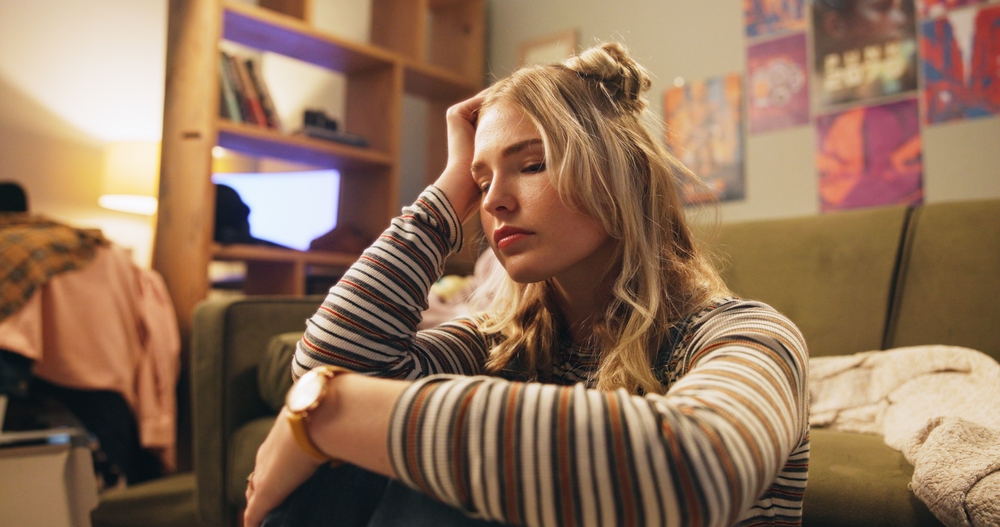
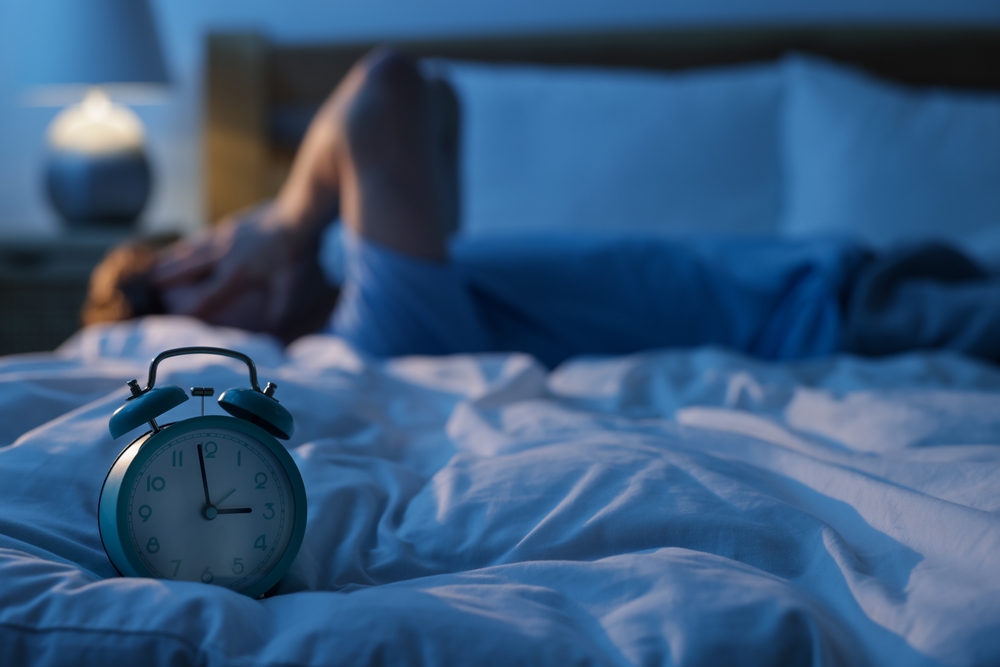
Stressed out and struggling? Insomnia, anxiety, and stress-related emotional issues are among the most common reasons people seek help from mental health professionals. Different medications help to varying degrees, but most come with at least some risks or side effects. And while psychotherapeutic techniques and contemplative practices often work in tandem with medications, in some cases progress is slow.

When relief is elusive, it’s tempting to scour the internet for options and alternatives. Supplements, herbal remedies, and other substances vary greatly in terms of safety and effectiveness, but one of them – cannabidiol (CBD) – has developed quite a reputation over the past few years. This article summarizes the effectiveness, safety, and side effects of CBD for anxiety, stress, and sleep problems.

About Cannabidiol (CBD)

Cannabis sativa – the latin name for the plants we know as marijuana and hemp – has been grown and used for medicinal purposes, including treatment for pain, seizures, nausea, menstrual symptoms, and more, in various cultures since ancient times. The plant contains chemical compounds known as cannabinoids, including Cannabidiol (CBD) and delta-4 tetrahydrocannabinol (THC). 

The hemp plant has higher levels of CBD, while the cultivars we know as marijuana have higher levels of THC. Hemp is harvested and the cannabidiol is extracted to make CBD oil, capsules, gummies, creams, lotions, and other products. Liquid CBD, including oils and tinctures, can be vaped, smoked, or taken orally (by mouth).  

THC is the psychoactive component in cannabismeaning it is the part of the plant that can make a person feel high. Legally, hemp-derived CBD cannot have enough THC to trigger a person to feel high; this threshold is 0.3%. There is also a THC-free CBD product available called “CBD isolates.”

The three different types of CBD products include:

  • Full-spectrum CBD contains up to 0.3% THC, along with other cannabinoids and compounds from the cannabis plant
  • Broad-spectrum CBD – contains other cannabinoids and compounds but without THC
  • CBD isolates – contains only CBD, none of the other cannabinoids or compounds from the cannabis plant are included; it is THC-free

Anxiety and Stress

While stress and anxiety often share some of the same physical symptoms — including increased blood pressure, tension, insomnia, and headaches — they are not the same. Stress is your body’s reaction to external factors, like work deadlines or upsetting conversations with your spouse or partner. Stress can also result from sudden life changes, such as the death of a loved one or finding out you have a severe illness. Because external factors cause stress, its unpleasant effects might subside as time passes and either the situation eases or some resolution takes place. 

We all know what it’s like to be “stressed out” – it feels emotionally and physically lousy. Excessive stress levels at work, in relationships, or in other situations may cause irritability or even rage. The fallout from stress can include digestive complaints, sleep disruption, or intense fatigue, or an exacerbation of any pre-existing medical problem (acne, anyone?).

Anxiety is not necessarily associated with external factors. It involves ongoing, excessive negative thoughts or predictions, daydreams or fantasies that seem to originate internally. Most people struggling with anxiety will readily agree that anxiety feels like “my brain is torturing me.” Anxiety symptoms include persistent fear or worries, often about day-to-day events. Other common symptoms of anxiety include: 

Subscribe to our newsletter to get updates!

  • Rapid breathing
  • Fast heart rate
  • Increased blood pressure
  • Trouble concentrating
  • Headaches
  • Muscle aches 
  • Nausea
  • Fatigue
  • Sweating
  • Insomnia (sleep problems) 

Anxiety can be triggered by stress, but stress doesn’t necessarily lead to anxiety. 

CBD has been shown to have a calming effect on the central nervous system and a low incidence of serious adverse effects. Since hemp production became legal as a result of the 2018 Farm Bill, research on CBD’s effectiveness for various physical and mental health conditions has increased. Here’s a brief summary of some of these studies and what they might mean for using CBD. 

  • A 2021 survey study discovered that the top use for CBD in survey respondents was self-perceived anxiety. In fact, according to the Forbes Health survey of 2,000 adults, 51% of those who used CBD took it to help alleviate their anxiety. In the group who took CBD for anxiety, 86.5% reported symptom relief. 
  • A 2022 study discovered preliminary evidence of a “significant improvement” in study participants with anxiety who took a full-spectrum CBD product. The study subjects maintained a 15% or higher reduction of anxiety symptoms after one week of treatment. After treatment, the study subjects reported improvements in mood, sleep disturbance, quality of life, and executive functioning (a set of mental skills, including memory).
  • A 2020 review study reports that CBD’s antianxiety effects were comparable to those of antianxiety medication.  Early-stage clinical studies suggest that CBD may be anxiolytic in “stress-inducing” situations and in individuals with anxiety disorders. Some case reports indicate that CBD improves sleep.
  • A study published in 2011 indicated that CBD helps alleviate social anxiety. 
  • And finally, based on the available data at this time, the World Health Organization (WHO) has released the following statement on CBD safety: “CBD has not demonstrated any potential for abuse or dependency and is considered well tolerated with a good safety profile.”

Side Effects of CBD

Although CBD is generally safe, you may experience fatigue, a change in appetite and weight, and diarrhea. There is also a possibility that CBD may interact with medications or nutritional supplements you take, such as blood thinners. Be sure to talk to your doctor or mental health provider about any medications, including prescriptions, vitamins, supplements, and over-the-counter products you take. 

Your provider may advise you not to use CBD with medications that have the “grapefruit warning” because CBD and grapefruit juice inhibit the same enzyme in the liver, called CYP3A4. CYP3A4 helps to break down certain drugs, but when this enzyme is blocked, the drug stays in the body longer, increasing the risk of adverse drug reactions or side effects. 

Choosing a CBD Product

Ready to think more seriously about trying CBD? Here are some suggestions to help you get started.

  • The dose of CBD usually ranges from 5 to 50 mg. I typically recommend to start with 15mg and to increase the dose if needed.  Many good brands make 15mg CBD gel caps. 
  • Unlike prescription and over-the-counter medications, CBD is unregulated; some products are third-party tested, so look for that on the label.
  • CBD products may have added ingredients like sunflower or coconut oil, which can cause an allergic reaction in some people.

CBD has lost the old-fashioned stigma that hemp or marijuana products had in decades past, and its newfound popularity and acceptance has made it accessible and easy to try. If you’ve been struggling with serious anxiety or insomnia, CBD might sound like a godsend. Just remember, if it sounds too good to be true, it probably is.

Holistic treatment for anxiety, sleep problems, or stress may include regular exercise, practicing deep breathing, CBD, or other alternative or lifestyle changes. Your clinician can diagnose and treat stand-alone anxiety and insomnia disorder or underlying mental health problems that result from stress. As with most medical conditions, the first step in getting help is often learning about your condition and treatment options. 

Disclaimer
The information provided on this blog is for educational and informational purposes only. It is not intended to be a substitute for professional medical advice, diagnosis, or treatment. Always seek the advice of your physician or other qualified health provider with any questions you may have regarding a medical condition.
First Co-Author Image

Author

Heather

Edited By:

Edited By Image

Dr. Beata Lewis, MD

Owner

Reviewed By:

Reviewed By Image

Hayden Reed

Administrative Staff

Cited Research Articles

  • Bergamaschi, M. M., Queiroz, R. H., Chagas, M. H., de Oliveira, D. C., De Martinis, B. S., Kapczinski, F., Quevedo, J., Roesler, R., Schröder, N., Nardi, A. E., Martín-Santos, R., Hallak, J. E., Zuardi, A. W., & Crippa, J. A. (2011). Cannabidiol reduces the anxiety induced by simulated public speaking in treatment-naïve social phobia patients. Neuropsychopharmacology, 36(6), 1219–1226. https://pubmed.ncbi.nlm.nih.gov/21307846/

  • García-Gutiérrez, M. S., Navarrete, F., Gasparyan, A., Austrich-Olivares, A., Sala, F., & Manzanares, J.. Cannabidiol: A potential new alternative for the treatment of anxiety, depression, and psychotic disorders. Biomolecules, 10, 1575. https://pubmed.ncbi.nlm.nih.gov/33228239/

  • Botsford, S. L., Yang, S., & George, T. P.. Cannabis and Cannabinoids in Mood and Anxiety Disorders: Impact on Illness Onset and Course, and Assessment of Therapeutic Potential. Am J Addict, 29, 9-26. https://pubmed.ncbi.nlm.nih.gov/31577377/