
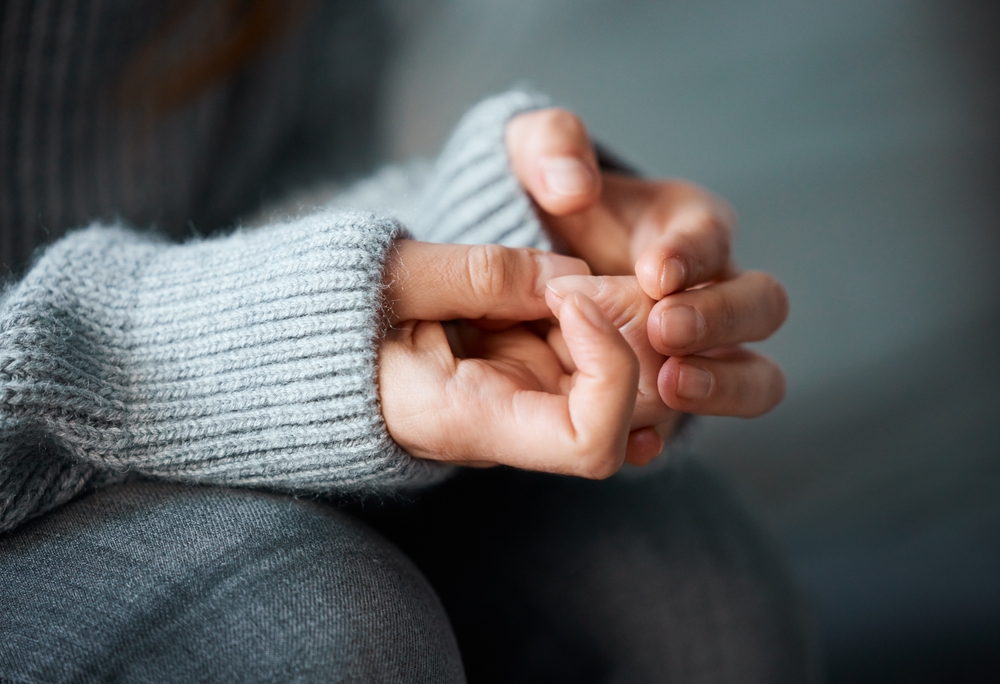

Anxiety is the most common mental health condition in the United States — and yet so many people are still told that medication is their only option. While medication has an important place, there is a growing body of high-quality evidence supporting natural, lifestyle-based interventions for anxiety that address root causes rather than just symptoms. Here are eleven approaches that actually have scientific backing behind them.
1. Magnesium Glycinate
Magnesium is nature’s original ‘chill pill’ — and low magnesium intake is common in modern diets. Magnesium plays a critical role in regulating the nervous system, modulating the NMDA glutamate receptor (which drives anxiety when overactivated), and supporting GABA — the brain’s primary calming neurotransmitter. Multiple clinical trials have found that magnesium supplementation reduces both subjective and physiological markers of anxiety, particularly in those who are deficient. Magnesium glycinate is one of the most bioavailable and gentle forms, with minimal laxative effect. A typical dose is 200–400 mg in the evening. Effects tend to build over 4–8 weeks of consistent use. It pairs particularly well with other calming interventions and has an excellent safety profile for most adults.
2. Ashwagandha
Ashwagandha (Withania somnifera) is an adaptogenic herb with one of the strongest evidence bases in herbal medicine for anxiety and stress reduction. Multiple randomized controlled trials — including several published in peer-reviewed psychiatry journals — have shown that ashwagandha root extract significantly reduces cortisol levels, self-reported anxiety, and physiological stress markers. It works primarily by normalizing the HPA axis (the body’s stress response system) rather than simply sedating the nervous system, making it useful for chronic rather than acute anxiety. KSM-66 and Sensoril are well-studied, standardized extracts with consistent dosing. Typical doses range from 300–600 mg daily. Avoid ashwagandha during pregnancy, and use with caution if you have thyroid conditions, as it can raise thyroid hormone levels. Rare cases of liver injury have been reported with ashwagandha supplements, so stop it and contact your clinician if you notice dark urine, yellowing skin or eyes, or abdominal pain.
3. L-Theanine
L-theanine, found naturally in green and black tea, is an amino acid that promotes relaxed alertness without sedation. It increases alpha brain wave activity — associated with a calm, focused mental state — and modulates GABA and glutamate neurotransmission. Several clinical trials have demonstrated its effectiveness in reducing anxiety responses to stressful tasks and improving subjective feelings of calm. Uniquely, L-theanine does not impair cognitive function — in fact, many people find it enhances focus while reducing anxious mental chatter. A common dose is 100–200 mg once or twice daily. It can be taken on its own or stacked with caffeine to smooth out the stimulatory effects of coffee. L-theanine is one of the few supplements that can be taken ‘as needed’ for situational anxiety (like before a presentation or stressful event) with noticeable effect within 30–60 minutes.
4. CBD (Cannabidiol)
CBD has garnered enormous attention for anxiety, and the research — while still growing — is genuinely promising. CBD interacts with the endocannabinoid system, serotonin (5-HT1A) receptors, and GABA receptors to produce anxiolytic effects. A small 2019 case series in The Permanente Journal (72 adults, with no control group) found that 79% of participants reported decreased anxiety in the first month of CBD use; controlled trials are still limited. CBD is non-psychoactive (it doesn’t produce a ‘high’), non-addictive, and generally well-tolerated. Key caveats: quality matters enormously — use only third-party tested, COA-verified products from reputable sources. Doses for anxiety typically range from 15–50 mg daily. CBD can interact with medications metabolized by liver enzymes (including SSRIs), so always discuss with your physician before starting. It is not a cure-all, but for many people with mild-to-moderate anxiety, it provides meaningful relief.
5. Passionflower
Passionflower (Passiflora incarnata) is a flowering plant with a history of medicinal use for anxiety and insomnia. Its primary mechanism of action is enhancing GABA activity in the brain — similar to benzodiazepines, but without the same addiction potential or sedative side effects. One clinical trial compared passionflower to oxazepam (a benzodiazepine) for generalized anxiety disorder and found comparable anxiolytic effectiveness with significantly less impairment of job performance. Passionflower is available as a tea, tincture, or capsule. It is particularly useful for anxiety accompanied by insomnia and racing thoughts at bedtime. Avoid during pregnancy. As with all herbal anxiolytics, it works best as part of a broader anxiety management plan rather than as a standalone intervention. For any supplement on this list, check with your clinician before starting, especially if you take psychiatric medication, are pregnant or breastfeeding.
6. Breathwork — Box Breathing
Breathwork is one of the fastest and most underutilized tools for acute and chronic anxiety — and box breathing (also called 4-4-4-4 breathing) is an excellent starting point. The technique: inhale for 4 counts, hold for 4 counts, exhale for 4 counts, hold for 4 counts. Repeat 4–6 times. Controlled breathing directly activates the parasympathetic nervous system (rest-and-digest mode), lowers heart rate, reduces cortisol, and signals safety to the brain’s threat-detection center (the amygdala). The physiological effects are measurable within minutes. Unlike medication, breathwork can be practiced anywhere, anytime, at zero cost. Used consistently — even just 5–10 minutes daily — it builds resilience in the stress response system over time, reducing baseline anxiety and improving recovery speed from stressful events.
7. Cold Exposure
Cold water immersion and cold showers are gaining scientific credibility as anxiety interventions. Cold exposure activates the sympathetic nervous system initially but triggers a powerful parasympathetic rebound afterward — a state of calm and wellbeing that many describe as mood-lifting. Cold exposure also raises norepinephrine levels, which may contribute to a mood-lifting effect. Research on cold exposure for anxiety is still early, and much of the interest comes from practices such as the Wim Hof method and Scandinavian cold-immersion traditions rather than from controlled trials. Starting with 30–60 seconds of cold water at the end of your shower and gradually building tolerance is a practical starting point. For anxiety specifically, regular cold exposure appears to train the nervous system to tolerate acute stress without panic — a kind of progressive desensitization. Always consult your physician if you have cardiovascular conditions.
8. Exercise
Exercise is arguably the single most evidence-based intervention for anxiety outside of medication and psychotherapy. Aerobic exercise reduces amygdala reactivity, increases BDNF (brain-derived neurotrophic factor) which promotes neuroplasticity, and releases endorphins and endocannabinoids that produce immediate mood improvement. Long-term, regular exercise reshapes the brain’s stress response system, making it more resilient and less reactive. Meta-analyses show that exercise produces effects on anxiety comparable to medication or CBT, with the benefit of also improving physical health, sleep, and self-efficacy. Any form of movement helps, but moderate-intensity aerobic activity (brisk walking, jogging, cycling) for at least 150 minutes per week is the most-studied protocol. The key is consistency — starting small and building gradually is far better than sporadic intense sessions.
9. Optimizing Gut Health
The gut-brain axis is a bidirectional communication highway between the gastrointestinal tract and the brain — and about 90% of the body’s serotonin is made in the gut, by enterochromaffin cells, and gut bacteria help regulate that production. Gut serotonin does not cross into the brain, but the gut and brain communicate through the vagus nerve, immune signals and microbial metabolites. A disrupted gut microbiome (dysbiosis), leaky gut (intestinal hyperpermeability), or chronic gut inflammation are being studied as possible contributors to anxiety, depression, and cognitive impairment via this axis. Practical steps for gut-based anxiety support include: eating a diverse, fiber-rich diet (30+ different plants per week), including fermented foods (yogurt, kefir, kimchi, sauerkraut), reducing ultra-processed foods, avoiding unnecessary antibiotics, and considering a multi-strain probiotic containing psychobiotic strains like Lactobacillus rhamnosus and Bifidobacterium longum. If gut symptoms accompany your anxiety, a functional medicine evaluation of your gut microbiome may be revealing.
10. Prioritizing Sleep
Sleep and anxiety have a vicious bidirectional relationship: anxiety makes it harder to sleep, and poor sleep dramatically worsens anxiety. After a poor night of sleep, the amygdala — the brain’s alarm center — is 60% more reactive to perceived threats, and the prefrontal cortex’s ability to regulate those alarm signals is significantly impaired. This means that sleep deprivation doesn’t just make you tired — it neurologically primes you for anxiety. Prioritizing 7–9 hours of quality sleep is therefore not a luxury but a clinical necessity for anxiety management. Key sleep hygiene practices for anxiety include: consistent wake times, limiting alcohol and caffeine, a dark and cool bedroom, and addressing any underlying sleep disorders like sleep apnea (which is more common and underdiagnosed than most people realize).
11. Limiting Caffeine
Caffeine is a central nervous system stimulant that blocks adenosine receptors, increases cortisol and adrenaline, and activates the sympathetic (fight-or-flight) nervous system — all of which can trigger or worsen anxiety, particularly in those with a genetic sensitivity to caffeine (CYP1A2 slow metabolizers). Many people with anxiety are unknowingly maintaining their anxiety loop through daily high caffeine consumption. Even if caffeine doesn’t make you feel ‘anxious,’ it can disrupt sleep architecture (reducing deep and REM sleep) in ways that worsen anxiety the next day. A 30-day caffeine reduction experiment — cutting to one cup of coffee in the morning — is one of the highest-yield interventions I recommend to anxious patients. If coffee is non-negotiable, switching to matcha (which contains L-theanine alongside caffeine) often improves the anxiety profile significantly.
For many people, these approaches can meaningfully help with anxiety — and it becomes most effective when you understand the root causes driving your specific symptoms. At drlewis.com, I offer comprehensive integrative psychiatric evaluations for anxiety that go beyond symptom management to address the underlying biology. Serving patients in Brooklyn and via telehealth throughout New York.
The information provided on this blog is for educational and informational purposes only. It is not intended to be a substitute for professional medical advice, diagnosis, or treatment. Always seek the advice of your physician or other qualified health provider with any questions you may have regarding a medical condition.

A Message From Dr. Lewis If you’ve been struggling with depression or anxiety, I want you to know something important:
The Conversation That Surprised Me A few years ago, I had a patient named Greg who’d been on escitalopram (Lexapro)
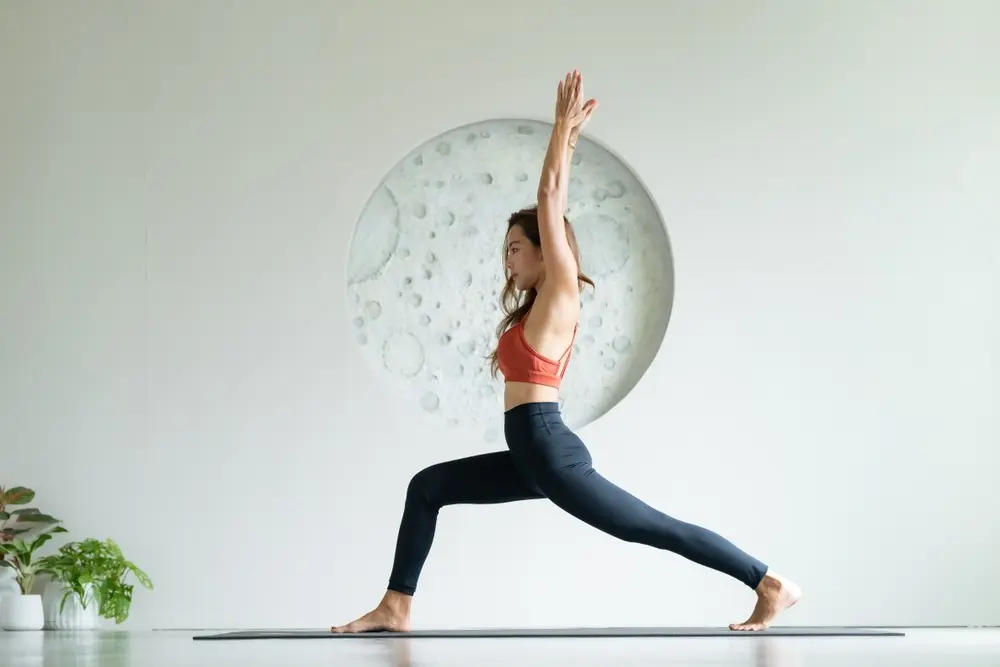

You’re Not Meant to Go Through Life Alone In our increasingly connected yet often isolating world, you might sometimes feel